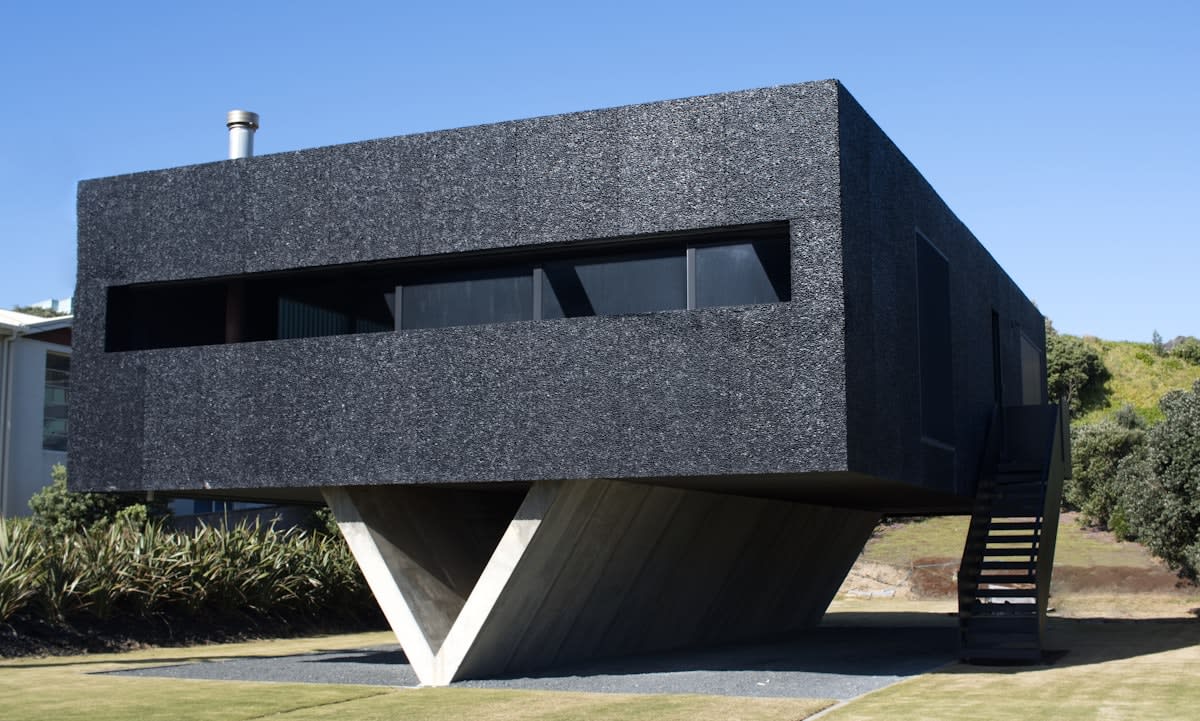
The End of the Gilded Age
For decades, the markers of extreme wealth were loud. We saw it in the gold-plated faucets of Dubai, the sprawling estates of the Hamptons, and the aggressive branding of the 1980s power-broker. But a systemic shift is underway. The new status symbol isn't a visible asset; it is the ability to be completely unreachable. We are witnessing the birth of the Architecture of Silence, where the most expensive luxury you can buy is the guarantee that you cannot be found, tracked, or contacted without your explicit consent.
Why the sudden pivot toward invisibility? The answer lies in the collapse of the boundary between public and private life. In an era of ubiquitous surveillance and social media saturation, visibility has become a liability. For the ultra-high-net-worth individual (UHNWI), being 'known' is now a risk factor. Whether it is the threat of targeted cyber-attacks, the relentless pressure of public scrutiny, or the sheer cognitive load of constant connectivity, the elite are treating silence as a strategic asset rather than a passive state.
"The paradigm has shifted from 'look at what I own' to 'look at how much of my life is hidden.' Privacy is the new gold standard of exclusivity."— Julian Thorne, Senior Partner at Global Wealth Strategy Group
This isn't just about buying a bigger fence. It is a sophisticated integration of physical architecture, legal obfuscation, and digital air-gapping. From the 'stealth wealth' enclaves of Singapore—where luxury homes are designed to look like modest townhouses from the street—to the remote, self-sustaining estates in New Zealand's South Island, the goal is the same: the creation of a sanctuary that exists outside the digital grid.
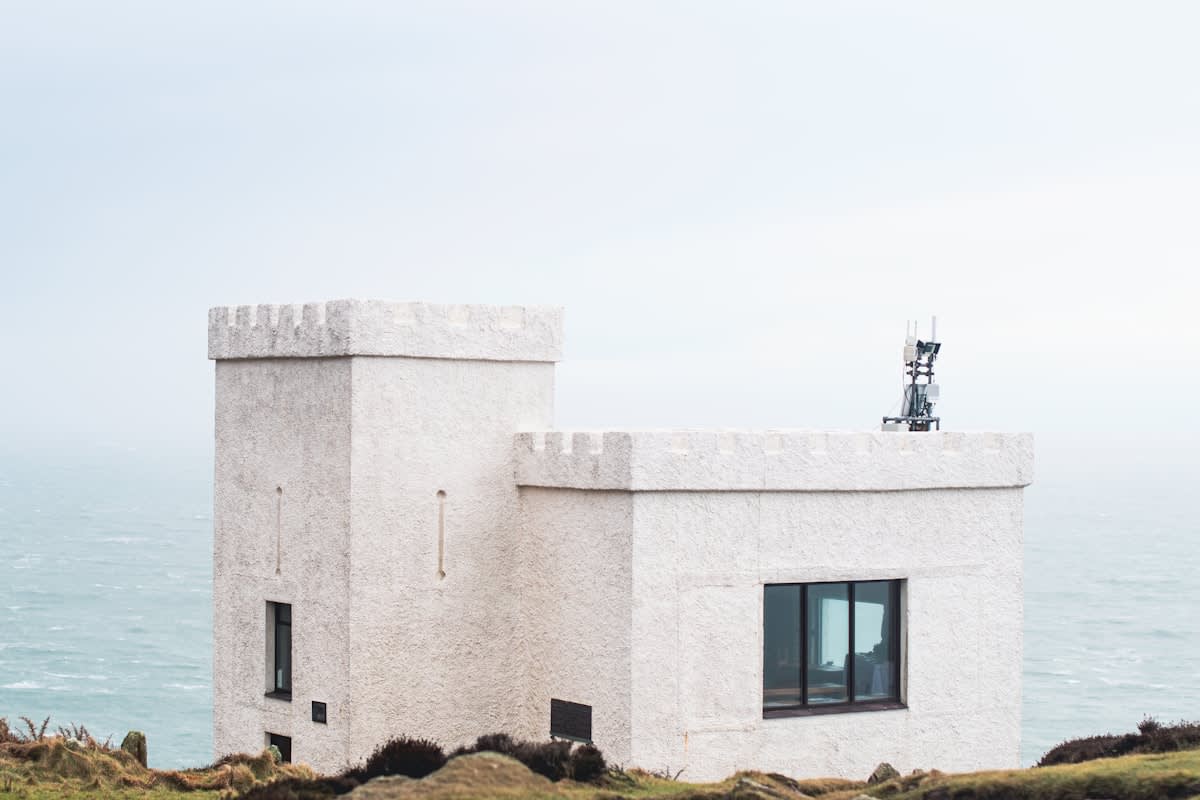
The economics of this shift are staggering. According to the Knight Frank Wealth Report (Source: Knight Frank, 2023), there has been a marked increase in demand for 'off-grid' luxury properties that offer advanced security and autonomous utility systems. These properties aren't just vacation homes; they are operational hubs for a lifestyle of strategic withdrawal. The premium paid for 'unreachability'—properties with no digital footprint or those hidden by complex trust structures—can add up to 20% to the property's valuation (Source: Global Real Estate Analytics, 2024).
Is this a retreat or a tactical repositioning? Most practitioners in the wealth management space argue it is the latter. By removing themselves from the noise, the elite are not escaping reality; they are optimizing their ability to influence it from the shadows. Silence provides the mental clarity required for high-stakes decision-making, far removed from the algorithmic chaos of the modern internet.
| Feature | Old Luxury (Conspicuous) | New Luxury (Invisible) |
|---|---|---|
| Primary Goal | Status Signaling | Risk Mitigation & Peace |
| Architectural Style | Monumental/Grand | Minimalist/Camouflaged |
| Digital Presence | Curated Public Image | Total Digital Obfuscation |
| Location Logic | Prestigious Zip Codes | Strategic Isolation |
| Security Approach | Visible Guards/Gates | Invisible Tech/Legal Shells |
To understand how this works on the ground, you have to look at the friction between 'Hard Security' and 'Soft Security.' In my years observing these circles, the real debate isn't about how many cameras to install—that's amateur hour. The real professionals debate the 'digital shadow.' They argue over whether a physical fortress is useless if your metadata still leaks your location via a smart appliance or a luxury vehicle's integrated GPS. The current gold standard is 'zero-trace' living, where every device is hardened and every movement is scrubbed from public records.
This level of erasure requires a dedicated team of 'silence architects.' These are not just builders, but a hybrid of cybersecurity experts, privacy lawyers, and psychologists. They create an ecosystem where the client can vanish instantly. This might involve using multiple layers of anonymous LLCs to hold property titles or implementing signal-jamming technology that creates a 'dead zone' around a residence, ensuring that no unauthorized transmission enters or leaves the perimeter.

The trend extends beyond physical real estate into the realm of 'cognitive privacy.' We are seeing a surge in high-end retreats that offer 'total disconnection' packages. These aren't the mid-market digital detoxes found in wellness brochures. These are military-grade isolation experiences where participants surrender all electronics and enter a curated environment designed to reset the nervous system. The Capgemini World Wealth Report (Source: Capgemini, 2023) indicates that 'wellness and mental fortitude' have overtaken 'material accumulation' as the primary investment priority for the next generation of heirs.
But there is a darker systemic implication here: the widening 'privacy gap.' As the wealthy purchase their way out of the surveillance state, the average citizen remains transparent. Privacy is transitioning from a human right to a premium subscription service. When the people who write the laws and run the corporations live in an architecture of silence, the asymmetry of power increases. They can see us, but we can no longer see them.
"The ability to disappear is becoming the most potent form of power in the 21st century. If you are unreachable, you are uncontrollable."— World Economic Forum, Strategic Intelligence Report (2024)
Ultimately, the Architecture of Silence is a response to a world that has forgotten how to be still. By paying for the right to be unreachable, the elite are not just buying security; they are buying time and mental sovereignty. The question is no longer how much wealth one can accumulate, but how much of one's life can be reclaimed from the digital maw. In the end, the most expensive thing in the world is a moment of true, uninterrupted silence.
Fact-Check & Accuracy Note
Key claims regarding the 'unreachability premium' and the shift in UHNWI priorities are sourced from the Knight Frank Wealth Report (2023) and the Capgemini World Wealth Report (2023). The concept of 'conspicuous invisibility' is an ongoing subject of debate among sociologists and wealth managers, with some arguing it is a temporary reaction to social media and others viewing it as a permanent structural shift in class signaling.