The Low-Stakes Friction Paradox
Sociologist Ray Oldenburg coined the term Third Place to describe the social surroundings separate from the two primary environments of home (first place) and work (second place). These are the anchors of community life—the cafes, libraries, bookstores, and pubs where people gather not for a specific purpose, but for the sake of being present. The magic of these spaces lies in low-stakes friction. It is the unplanned encounter with a neighbor or the casual debate with a stranger that prevents the social fabric from fraying. When we eliminate these zones of unplanned interaction, we don't just lose a place to sit; we lose the mechanism that integrates us into a wider social ecosystem.
Why does this friction matter? Humans are biologically wired for weak ties—the acquaintances who provide new information, different perspectives, and a sense of belonging without the emotional labor of a deep friendship. In a world optimized for efficiency, friction is viewed as a bug. We use apps to skip the line, remote work to skip the commute, and curated social feeds to skip the discomfort of differing opinions. But in removing the friction, we have accidentally removed the glue. The result is a sterile urban existence where we are surrounded by millions of people yet remain profoundly isolated.
The Global Erosion of the Commons
This is not a phenomenon limited to any single geography; it is a global systemic shift. In North American suburbs, the Third Place was murdered by the car. Zoning laws that separated residential areas from commercial hubs forced a reliance on vehicles, turning the simple act of visiting a local shop into a planned expedition. The sidewalk, once the primary site of casual sociality, became a mere conduit for moving from a garage to a parking lot. When the environment demands a car for every interaction, spontaneity dies. You cannot have a chance encounter when every destination is pre-programmed into a GPS.
Across East Asia, the erosion takes a different form. In Tokyo, the rise of convenience store culture and the extreme privatization of leisure have pushed social interaction into highly specialized, often paid, environments. While the 'Kissaten' (traditional coffee shops) once provided a sanctuary for intellectuals and dreamers, they are increasingly replaced by high-turnover chains designed for efficiency, not lingering. The physical space is still there, but the social function has shifted from community building to transactional consumption. The space is no longer a commons; it is a product.
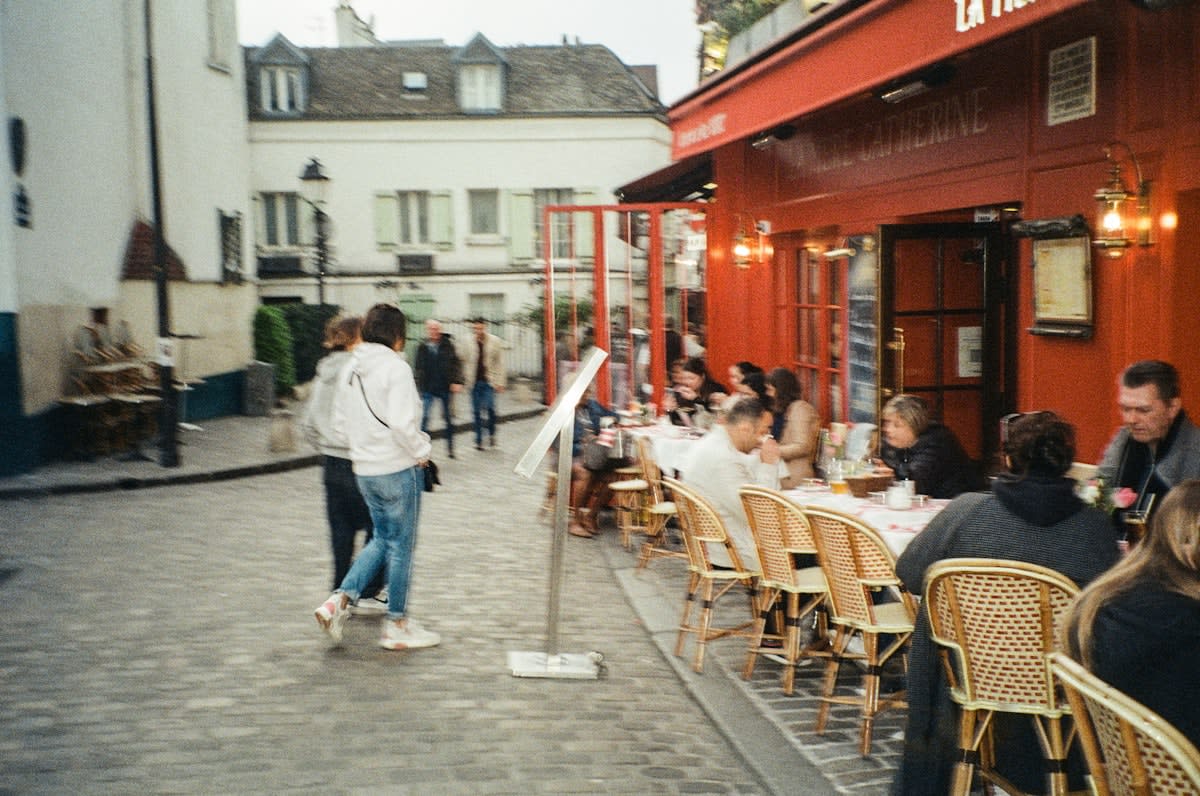
Even in Europe, where the plaza and the square are ancestral staples of urban life, the Third Place is under siege. Gentrification has transformed historic gathering spots into luxury boutiques or overpriced tourist traps. When a local square becomes a curated experience for visitors rather than a functional space for residents, the organic social ties that held the neighborhood together begin to dissolve. The 'Piazza' is no longer a place where the local butcher and the retired teacher argue about politics; it is a backdrop for an Instagram photo.
"The tragedy of modern urbanism is that we have built cities for the movement of capital and cars, rather than the movement of people and ideas."— Strategic Analysis on Urban Decay
The Transactional Trap: Pay-to-Stay Spaces
We must address the economic engine driving this decline: the monetization of presence. In the past, Third Places often had a low barrier to entry. A public library was free; a neighborhood pub required only the price of a single pint to secure a seat for three hours. Today, the 'Pay-to-Stay' model dominates. Coffee shops have redesigned their interiors to be intentionally uncomfortable—hard chairs, loud music, and a lack of power outlets—to discourage lingering and increase table turnover. The message is clear: you are a customer, not a community member.
This shift transforms the social experience into a financial transaction. When every square inch of urban space is monetized, those who cannot afford the entry fee are pushed to the margins. This creates a socio-economic filter on who gets to experience casual sociality. The result is a fragmented city where the wealthy have their private clubs and the poor have dwindling public parks, leaving the middle class in a state of social limbo, drifting between a home office and a digital screen.
| Feature | Traditional Third Place | Digital Surrogate | Hybrid/Emerging Model |
|---|---|---|---|
| Access Cost | Low/None | Hardware/Data Cost | Subscription/Membership |
| Social Friction | High (Spontaneous) | Low (Curated) | Medium (Intentional) |
| Spontaneity | Organic | Algorithmic | Scheduled |
| Emotional Depth | Weak to Strong Ties | Surface Level/Echo Chamber | Niche/Interest-Based |
Consider the data: remote work penetration has surged by nearly 40% in key global urban hubs over the last few years. While this offers flexibility, it has effectively erased the 'Second Place' for millions. For many, the office was the only remaining site of forced social interaction. When the office disappears and the Third Place is too expensive or non-existent, the home becomes the only space left. We are witnessing the collapse of the social tripod, leaving the individual balanced precariously on a single point of contact: the domestic sphere.

The Mutation: From Places to Platforms
Is the Third Place truly dead, or is it merely mutating? The contrarian view suggests that we are not losing social spaces, but shifting them into the digital ether. Discord servers, Reddit communities, and gaming lobbies function as modern Third Places. They provide the same low-stakes interaction and the same sense of belonging. However, digital spaces lack the physical embodiment and the multisensory experience of a physical plaza. You cannot smell the coffee or feel the energy of a crowd through a screen. The digital Third Place is a simulation of community, not the community itself.
We are also seeing the rise of 'Third-and-a-Half' places. These are hybrid models like co-working spaces or hobbyist hubs (e.g., board game cafes, climbing gyms). These spaces are intentional. You don't stumble into them by accident; you pay a membership fee to enter a curated environment of like-minded people. While this solves the loneliness problem for some, it reinforces the echo chamber. The beauty of the original Third Place was that it brought together people who had nothing in common except their geography. The hybrid model brings together people who already agree on everything.
The Design Opportunity
The critical challenge for future urbanists is not to 'bring back' the 1950s diner, but to design spaces that encourage unplanned, non-transactional human interaction in a digital age.
Rewiring the Urban Soul
To combat the epidemic of urban loneliness, we must stop treating social spaces as amenities and start treating them as essential infrastructure. Just as we provide roads for cars and pipes for water, we must provide 'social conduits' for humans. This means rethinking zoning to allow for mixed-use developments where living, working, and lingering happen in the same block. It means investing in 'slow streets' that prioritize pedestrians over throughput, turning the act of walking into a social event rather than a chore.
The resilience of a city is measured by the strength of its weak ties. When we rebuild the Third Place, we aren't just fighting loneliness; we are rebuilding civic trust. In a world of extreme polarization, the only cure is the casual encounter—the realization that the stranger across the table is a human being with a story, not a profile picture with an opinion. The death of the Third Place is a systemic failure, but its rebirth is a strategic opportunity to rewire our cities for human connection.
Ultimately, the erosion of these spaces reveals a deeper truth about our current era: we have prioritized the efficiency of the transaction over the quality of the interaction. We have optimized our lives for productivity and our cities for flow, forgetting that the most valuable parts of being human happen in the pauses. The challenge now is to intentionally design the pause back into our lives. Whether through the revival of the public library or the creation of new, non-commercial community hubs, the goal remains the same: to give us a place to belong that we do not have to buy.