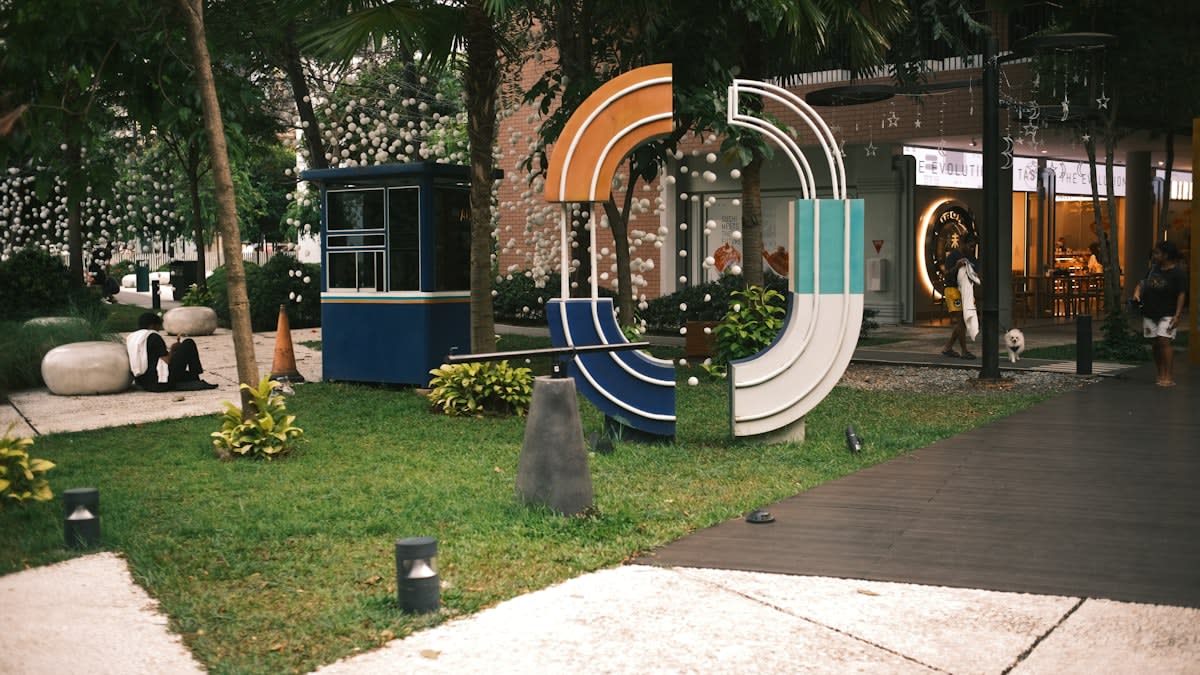
We are told the neighborhood pub is dead, the town square is a ghost town, and the local library has become a mere warehouse for books. The prevailing narrative suggests a tragic erosion of the 'Third Place'—that essential social environment separate from the two primary environments of home (first place) and work (second place). But mourning the loss of the 1950s American diner or the European village café is a sentimental distraction. The real story isn't about disappearance; it is about a systemic mutation. We are not simply losing places to go; we are witnessing the aggressive financialization of physical existence, where every square inch of urban space is now optimized for Return on Investment (ROI) rather than social cohesion.
Why does this matter? Because low-stakes sociality—the ability to exist in a space without a predefined purpose or a mandatory purchase—is the bedrock of democratic stability. When you remove the 'nowhere to go,' you remove the serendipitous encounters between people of different socio-economic backgrounds. You replace the organic friction of a community with the sterile efficiency of an algorithm. This isn't a localized trend in the West; it is a global phenomenon. From the vanishing 'kopitiams' of Southeast Asia to the shrinking public plazas of Latin America, the architecture of spontaneity is being dismantled in favor of gated communities and digital proxies.
The Economics of Loitering
The death of the third place is an economic inevitability under current land-use models. In cities like London, New York, or Tokyo, the cost per square foot has skyrocketed to a point where 'lingering' is a financial liability. A café that allows a patron to sit for four hours with a single espresso is failing its lease. This creates a hostile architecture—not just in the form of spiked ledges to prevent sleeping, but in the form of uncomfortable seating and the removal of free restrooms. We have transitioned from a 'citizen' model of public space to a 'consumer' model. If you aren't paying for the space, you are an intruder.

Consider the Japanese 'konbini' or convenience store. In many urban centers, these have become the only reliable third places left—bright, safe, and accessible. Yet, they are transactional. The interaction is scripted, the environment is sterile, and the purpose is consumption. Does this satisfy the human need for belonging? Hardly. But it demonstrates a systemic adaptation. When the traditional community center vanishes, the market fills the void with a commodified version of accessibility. The question is no longer where we go, but what we are required to pay to exist there.
The Zoning Trap
The erosion of the third place isn't a cultural failure; it's a zoning failure. When residential and commercial zones are strictly bifurcated, we kill the 'walkable' sociality that naturally sustains third places.
This shift creates a dangerous vacuum. When physical spaces vanish, we don't stop seeking connection; we migrate. This migration has led us directly into the arms of the 'Fourth Place'—the digital realm. While Discord servers, WhatsApp groups, and gaming lobbies provide the illusion of a third place, they lack the critical element of physical proximity. Digital spaces are echo chambers by design. In a physical pub, you might be forced to acknowledge a neighbor with opposing political views. In a digital community, you can block them with a click. The 'friction' of the physical world is exactly what builds social resilience.
The Mutation: From Spontaneity to Intentionality
Despite the bleak outlook, a contrarian view reveals a burgeoning opportunity. We are seeing the rise of 'Intentional Third Places.' Because the organic spaces are gone, people are now designing their own. We see this in the explosion of 'hobbyist hubs'—board game cafes in Seoul, specialized running clubs in Berlin, or community-led maker spaces in Nairobi. These aren't accidental meeting points; they are curated nodes of connection. The shift is from the 'accidental' community of the neighborhood to the 'intentional' community of shared interest.
| Metric | Traditional Third Place | Digital Proxy | Hybrid Intentional Node |
|---|---|---|---|
| Barrier to Entry | Low (Physical Proximity) | Very Low (Internet Access) | Medium (Shared Interest/Fee) |
| Social Friction | High (Serendipitous) | Low (Algorithmic) | Medium (Curated) |
| Economic Model | Commerce-based | Attention-based | Value/Membership-based |
| Cohesion Type | Geographic | Ideological | Psychographic |
Is this a downgrade? Not necessarily. The traditional third place was often exclusionary in ways we forget—segregated by race, class, or gender. The intentional node allows for the creation of 'safe' third places for marginalized groups who were never welcome in the traditional town square. The 'death' of the old model is clearing ground for a more inclusive, albeit more fragmented, social architecture. We are moving from a world of 'where I live' to a world of 'who I am.'
"The tragedy isn't that the old squares are empty, but that we've forgotten how to build new ones that don't require a credit card for entry."— Strategic Analyst, Urban Sociology Perspective
However, the risk of this fragmentation is the loss of the 'common ground.' If we only congregate with people who share our specific hobby or ideology, we lose the ability to negotiate difference. The systemic shift toward intentionality solves the problem of loneliness but exacerbates the problem of polarization. We are trading the broad, shallow connection of the neighborhood for the narrow, deep connection of the tribe. This is the central tension of modern social cohesion.
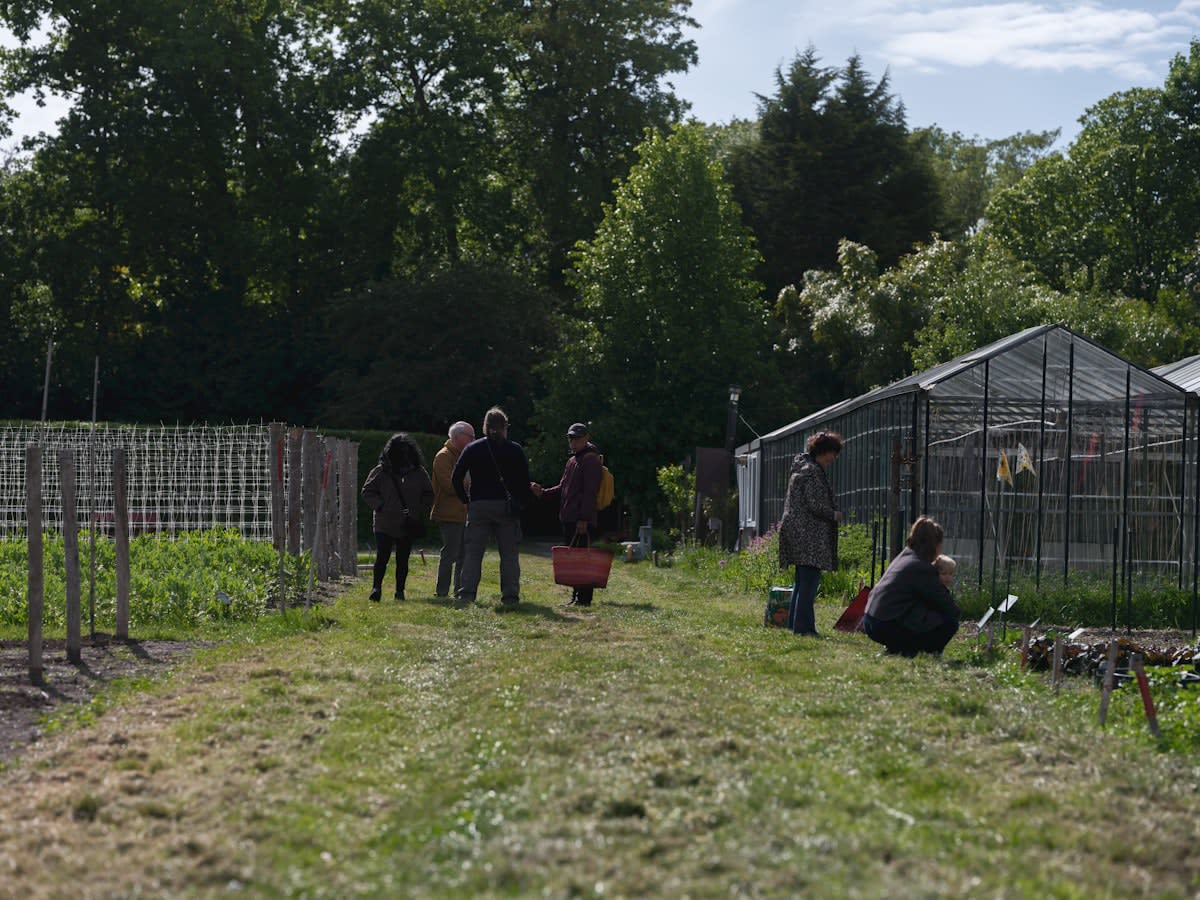
To combat this, we must rethink urban resilience. The most successful cities of the next decade will be those that incentivize 'non-productive' space. This means zoning laws that mandate public plazas, tax breaks for businesses that provide free community seating, and the integration of 'micro-third places' into residential developments. We need to treat social infrastructure with the same urgency as we treat sewage or electricity. A city without places to loiter is a city that is psychologically brittle.
The resilience of the human spirit suggests we will not accept a purely digital existence. We see this in the 'analog revival'—the return of vinyl records, the rise of board game nights, and the persistence of farmers' markets. These are not just nostalgic trends; they are protests against the efficiency of the digital proxy. They are attempts to reclaim the physical friction that makes us human. The 'Death of the Third Place' is actually a catalyst for a more conscious approach to how we spend our time and who we spend it with.
Ultimately, the erosion of traditional social anchors is a call to action. We cannot wait for the government or the market to provide us with 'nowhere to go.' We must build it. Whether it is a community tool library, a neighborhood garden, or a simple tradition of open-door Fridays, the reconstruction of the third place requires agency. The future of social cohesion depends on our ability to create spaces that prioritize people over profits, and serendipity over algorithms.