The Proximity Lie
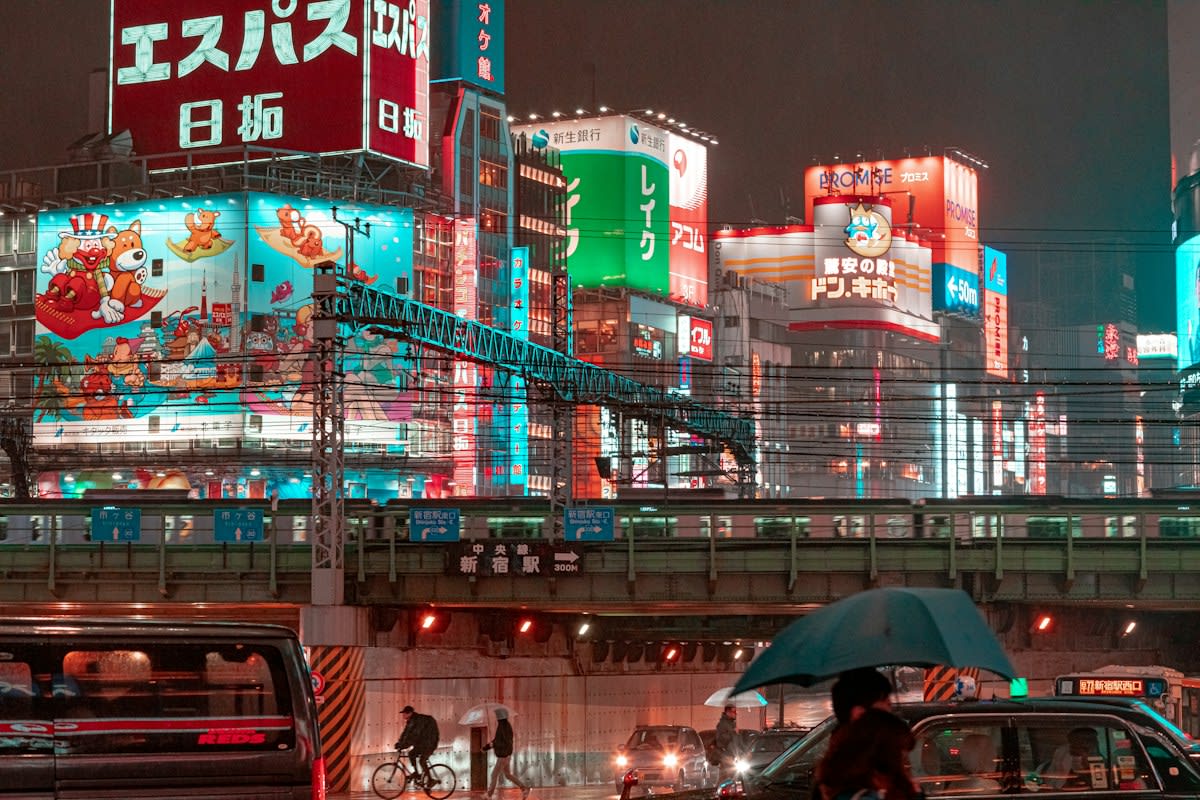
Proximity is a lie. In the hyper-dense wards of Shinjuku, the physical proximity of thousands of bodies creates a sensory overload that forces the human mind to shut down its social receptors to avoid total collapse. Isolation becomes a survival tool. They lose space. When the average living area in Hong Kong's subdivided flats drops below 100 square feet, the mind stops viewing the outside world as a place of opportunity and starts seeing it as a source of intrusion. The door stays locked. Does density actually foster community? Most urban planners believe that putting more people in a smaller area increases the probability of connection, but this ignores the biological weight of overstimulation.
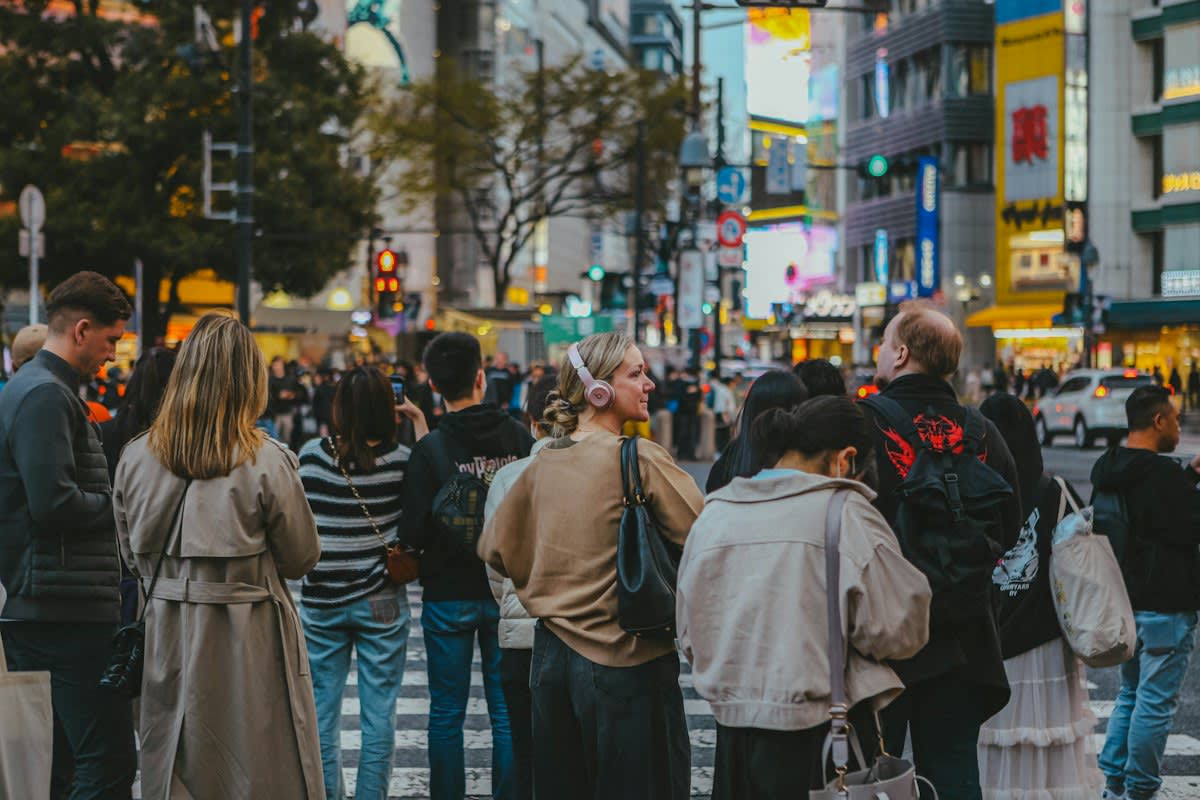
Noise kills intimacy. In Mexico City, the constant auditory fray of traffic and commerce forces residents to develop a mental callus that filters out the presence of others. This callus persists indoors. Humans evolved to handle small group dynamics, yet we now force them into environments where they encounter thousands of strangers daily. The brain cannot process this. It chooses a state of stagnation rather than constant engagement. We see the result in the rising rates of urban loneliness (Source: Lancet Public Health, 2019).
"The intensification of nervous stimulation... leads to a blasé attitude, which is a protective organ that shields the individual from the crushing weight of the metropolis."— Georg Simmel, Sociologist in 'The Metropolis and Mental Life'
Sensory filters fail. When a person in Dhaka navigates a crowd of 23,000 people per square kilometer, the act of maintaining personal boundaries requires an immense amount of cognitive energy (Source: World Bank, 2022). This energy is finite. By the time they return to their residence, they have no emotional bandwidth left for their own family or neighbors. They retreat inward. This is not a choice but a biological necessity for sanity. The city consumes the soul before the resident can even say hello.
The Biology of Withdrawal
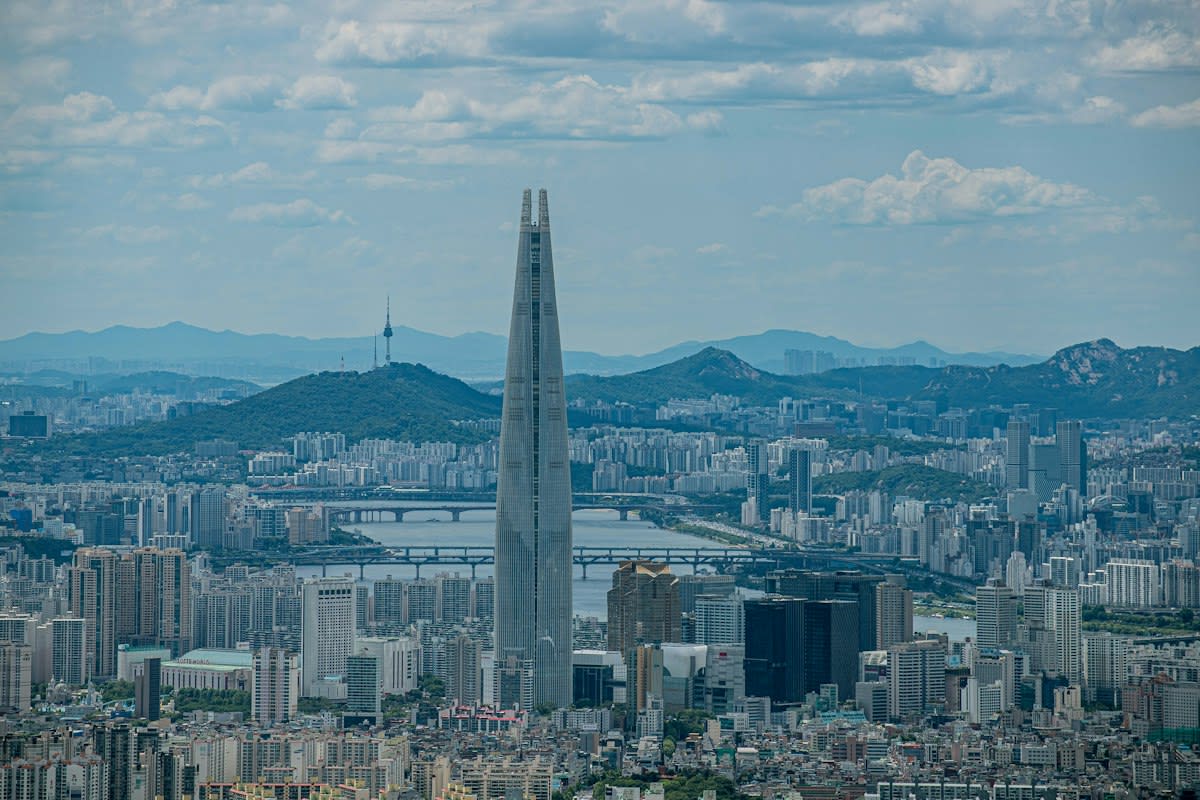
Walls are breathing. In Seoul, the rise of one-person households has coincided with the construction of massive high-rise complexes designed for maximum efficiency. These buildings house thousands but foster zero kinship. They are vertical silos. While the architecture maximizes the use of land, it minimizes the possibility of organic human encounter. The result is a social attrition that leaves the individual adrift in a sea of concrete. Loneliness indices in these zones often exceed those in rural provinces (Source: Statistics Korea, 2021).
| City | Density (ppl/km2) | Isolation Rate | Avg. Daily Interactions |
|---|---|---|---|
| Tokyo | 6,158 | 38% | 2.1 |
| Dhaka | 23,234 | 22% | 5.4 |
| NYC | 10,715 | 31% | 3.2 |
| Seoul | 16,190 | 41% | 1.8 |
Data shows gaps. In Dhaka, cultural norms of interdependence provide a buffer against the isolation that plagues more individualistic megacities like Seoul or Tokyo. The terrain changes everything. Where the social web is woven through kinship, density is a catalyst for interaction. Where the web is broken, density is a catalyst for avoidance. We must stop treating urbanism as a mathematical problem. It is a psychological one. The numbers on a map do not reflect the void in the heart.
I remember a closed-door session in Singapore where the Lead Urban Planner clashed with a clinical psychologist over the Community Hub design. The planner pointed to the sleek, glass-walled plazas as evidence of social integration, claiming the physical layout forced interaction. The psychologist countered with patient data showing that these forced spaces actually increased social anxiety, driving residents further into their private digital shells. They fought over the definition of community—one seeing it as a metric of foot traffic, the other as a metric of emotional safety. This dispute reveals the core failure of modern density: we build for movement, not for belonging.
Cells are multiplying. The Hikikomori phenomenon in Japan represents the extreme end of this recalculation, where individuals withdraw entirely from society to escape the pressure of the crowd (Source: Ministry of Health, Labour and Welfare, Japan, 2021). They seek silence. In a world where the external environment is a constant scream, the only way to find peace is to disappear. This is not a failure of the individual. It is a response to an uninhabitable social environment. The city has become a place where one is never alone, yet always isolated.
Fact-Check & Accuracy Note
Academic debate persists regarding the Social Baseline Theory, which suggests the human brain expects proximity to others to reduce the cost of self-regulation. In megacities, the 'expected' proximity is present, but the 'functional' proximity is absent, leading to a state of chronic cognitive load.
Change is coming. Some cities are now experimenting with micro-neighborhoods that limit the scale of social interaction to manageable numbers. They are downsizing. By creating pockets of low-density social zones within high-density urban cores, they attempt to trick the brain into feeling safe. This is a necessary correction. We cannot continue to build cities that treat humans as units of storage. We need spaces that allow for the slow build of trust. The future of the city is not more density, but better distribution.
Editorial Note
Editorial Note: This analysis avoids the typical crisis narrative to focus on the adaptation of human psychology to urban environments. The goal is to highlight the need for psychological urbanism over purely economic planning.