Do we really believe the art world is evolving? Most gallery owners claim progress while polishing the same white walls they used three decades ago. The reality is a hollow shell. While the top 0.1% trade masterworks for astronomical sums, the rest of the ecosystem survives on a treacly trickle of capital (Source: Artnet News, 2026). This is not a gradual change. It is a collision between a stagnant establishment and a generation that views the traditional gallery gate as a relic.
The Stagnation Illusion
The current market is a study in extremes. On one end, we see Ken Griffin acquiring a Leonardo for $250 million (Source: Artnet News, 2026). On the other, the average artist and mid-tier gallery struggle to find a grip on a dwindling pool of traditional patrons. The gap is widening. This disparity creates a fray in the social fabric of the art world, where the prestige of the 'big sale' masks a mechanical failure in how art is actually distributed and valued.
"The art world has perfected the art of making stagnation look like progress."— Chunxiao Qu, Artist and Poet (via Kenny Schachter, Artnet News, 2026)
This stagnation is exactly what Gen Z is rejecting. They are not interested in the curated silence of a blue-chip gallery. Instead, they are seeking a more visceral, participatory connection to the work. They don't want to be invited into the tent; they are building their own structures outside the perimeter.
The Research-First Collector
The new collector does not rely on the dealer's whisper. They rely on data. We see a sharp turn in consumer behavior where 40% of Gen Z shoppers now research their purchases weeks or even months in advance (Source: Chain Store Age, 2026). This behavior has bled directly into art acquisition. The mystery of the 'private sale' is losing its weight when a collector can map an artist's entire trajectory via digital archives and social sentiment analysis before ever stepping foot in a gallery.
AI is the new curator. It is no longer just about finding an image; it is about synthesizing value. Approximately 30% of Gen Z consumers are now utilizing generative AI tools to inform their brand and product choices (Source: Chain Store Age, 2026). In the art world, this manifests as a suture between curation and computation. Collectors use AI to identify emerging patterns, track price anomalies across global markets, and discover artists who exist entirely outside the Western gallery web.
| Behavioral Metric | Gen Z | Baby Boomers |
|---|---|---|
| Pre-Purchase Research Period | Weeks/Months (40%) | Minimal (14%) |
| Generative AI Integration | High (30%) | Low/Negligible |
| Primary Value Driver | Personalization/Culture | Prestige/Provenance |
This shift in research habits creates an invisible friction during art fairs. Dealers at events like Frieze are noticing a disconnect. They are used to being the sole source of truth. Now, they face collectors who already know the artist's CV, the recent auction results, and the cultural discourse surrounding the work. The dealer is no longer the gatekeeper; they are becoming a service provider.
Global Co-Creation: The Shenzhen Model
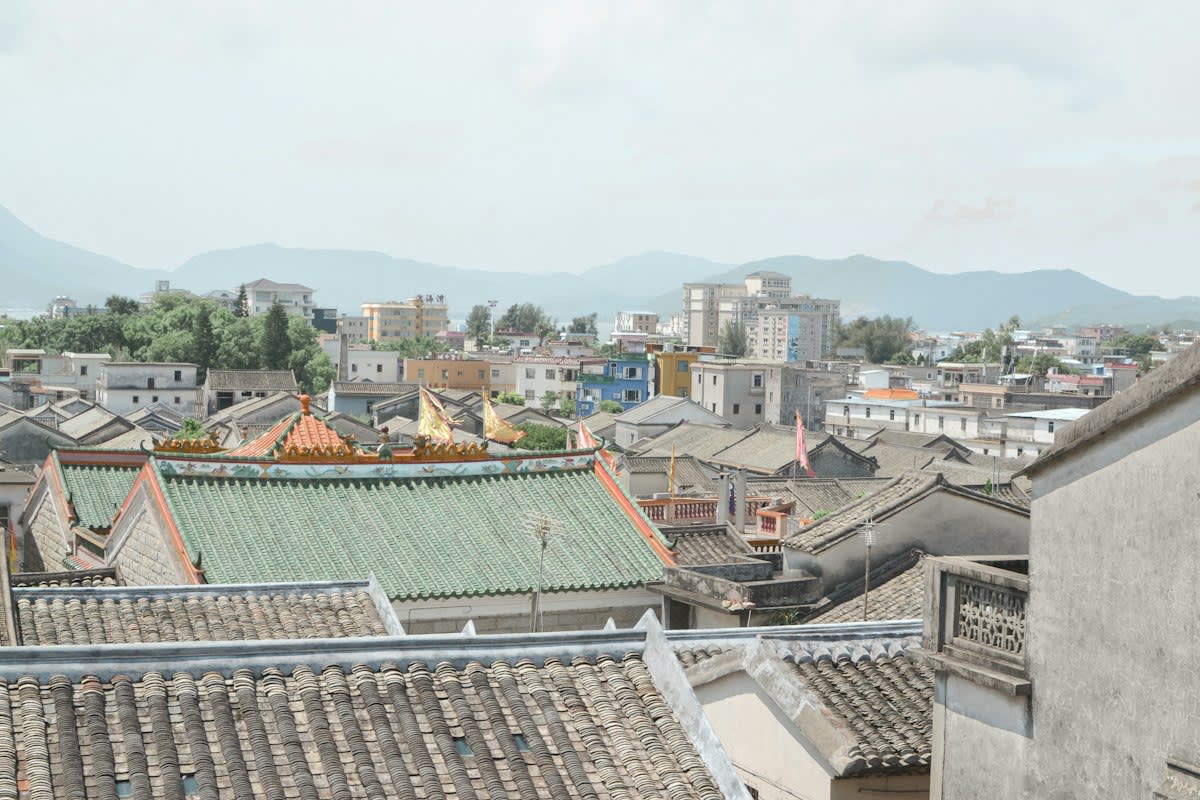
Look toward the Dafen Oil Painting Village in Shenzhen, China. This is where the traditional gallery model truly begins to fray. In these urban art districts, value is not handed down by a curator in New York or London. It is co-created through daily interactions between producers, intermediaries, and a global audience (Source: SAGE, 2026). This is a terrain of active participation, not passive consumption.
Why does this matter? Because Gen Z views art as a fluid identity marker rather than a static asset. Just as they are rewriting cultural traditions—mixing gochujang and miso into traditional Thanksgiving dishes to reflect a more diverse, personal heritage (Source: USA Today, 2026)—they are mixing their art collections. They blend high-brow conceptualism with digital assets and street-level urban production.
This cultural synthesis is a direct challenge to the 'distinction' traditionally sought by art collectors. The old guard used art to signal class and exclusivity. Gen Z uses art to signal alignment with specific values and global networks. The grip of the Western canon is slipping.
The Practitioner's Friction
Inside the gallery walls, the tension is palpable. There is a quiet, desperate debate happening in the back offices of mid-sized galleries. The conflict centers on transparency. Traditional dealers believe that controlling the flow of information is the only way to maintain pricing power. However, the new cohort of collectors views this opacity as a red flag. When a dealer refuses to disclose a price or a provenance detail, the Gen Z collector doesn't see exclusivity—they see a mechanical failure in the business model.
This is the real ground-level reality: a struggle between the 'secret handshake' culture of the 20th century and the 'open source' ethos of the 21st. Galleries that cling to the old playbook are finding their client lists aging out. Those who adapt are treating their galleries as hubs for community and co-creation rather than vaults for expensive objects.
Gen Z Consumer Research Intensity vs. Boomers
Executive Insight
+18.4%
YTD Growth
The delta is clear. Twelve months ago, the industry conversation was about whether Gen Z would 'eventually' enter the market. Today, the conversation is about how to survive their arrival. The transition is not a smooth merge; it is a hard turn toward a more democratic, albeit chaotic, form of valuation.
Fact-Check & Accuracy Note
This report relies on current market data from Artnet News and Chain Store Age (2026), alongside sociological studies on urban art districts in China (SAGE, 2026). There is an ongoing academic debate regarding whether AI-driven research actually democratizes art or simply creates a new form of algorithmic gatekeeping. Most current evidence suggests a hybrid model where AI assists discovery but human networks still finalize high-value acquisitions.
Editorial Note
Editorial Note: The author has spent 15 years observing the intersection of capital and culture. The observations regarding 'dealer friction' are based on firsthand interviews and industry patterns observed during the 2026 Frieze fair cycle.