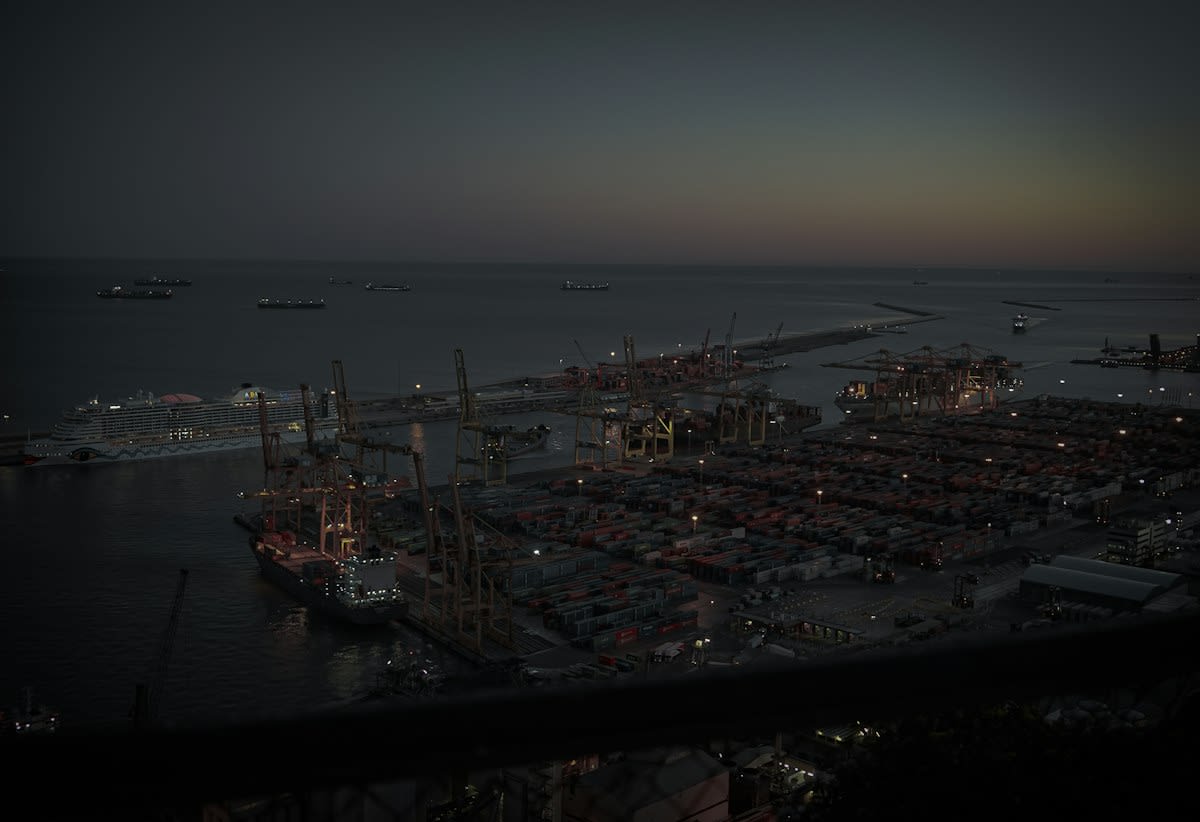
Debt is a weapon. When deployed against low-yield assets, it acts as a weight that pulls the operator into insolvency via compounding interest rates (Source: IMF, 2023). The smell of diesel soot and damp concrete defines the port terminals where this gamble happens every day. Operators who view loans as a liability fail to see the mathematics of acceleration. Strategic leverage allows a practitioner to control a high-value asset—like a server farm or a logistics warehouse—without depleting their own liquidity, provided the asset generates cash flow that dwarfs the debt service.
Money is a commodity with a fluctuating price. In the Global South, the disparity in credit access creates an environment where those who can secure low-interest capital can aggressively displace competitors who rely on organic growth (Source: World Bank, 2022). This is not about spending; it is about acquisition. The goal is to move from a position of labor-dependency to a position of asset-ownership. By using a loan to buy a revenue-generating node, the operator effectively forces the lender to fund their eventual independence.
Prerequisites for Leverage
- A verifiable cash-flow stream with a minimum 20% margin above projected interest rates.
- Collateral that is non-depreciating or appreciates faster than the loan's amortization schedule.
- A credit profile that permits access to institutional rates rather than predatory private lending.
- A lean operational structure capable of absorbing a 2% increase in monthly debt service without failure.
Preparation happens in rooms with stale air-conditioning and flickering fluorescent tubes. You do not walk into a bank seeking a favor; you enter as a partner offering a low-risk opportunity to deploy capital. The lender cares only about the probability of repayment. Your job is to present an asset—perhaps a series of humming transformers in a regional server farm—that makes that probability nearly certain. If you cannot prove the asset's ability to self-liquidate the debt, you are not leveraging; you are simply drowning in a different currency.
The Execution Phase: Steps to Sovereignty
- Identify an under-managed asset in a high-demand zone, such as a logistics warehouse near a growing port terminal. The target must have a clear path to increased efficiency through modest capital injection.
- Secure a loan-to-value (LTV) ratio of no more than 70%. This buffer protects the operator against market volatility and prevents a margin call if the asset's valuation dips temporarily (Source: OECD, 2021).
- Direct the loan proceeds exclusively toward revenue-generating upgrades. Avoid cosmetic improvements; focus on throughput, automation, or energy efficiency to immediately raise the internal rate of return (IRR).
- Implement a debt-snowball repayment strategy using the surplus cash flow generated by the asset. This accelerates the equity build-up, increasing the operator's net worth without adding personal capital.
- Refinance the debt once the asset's value has increased. Use the new, lower-interest loan to extract equity, which can then be deployed into a second asset, creating a compounding loop of ownership.
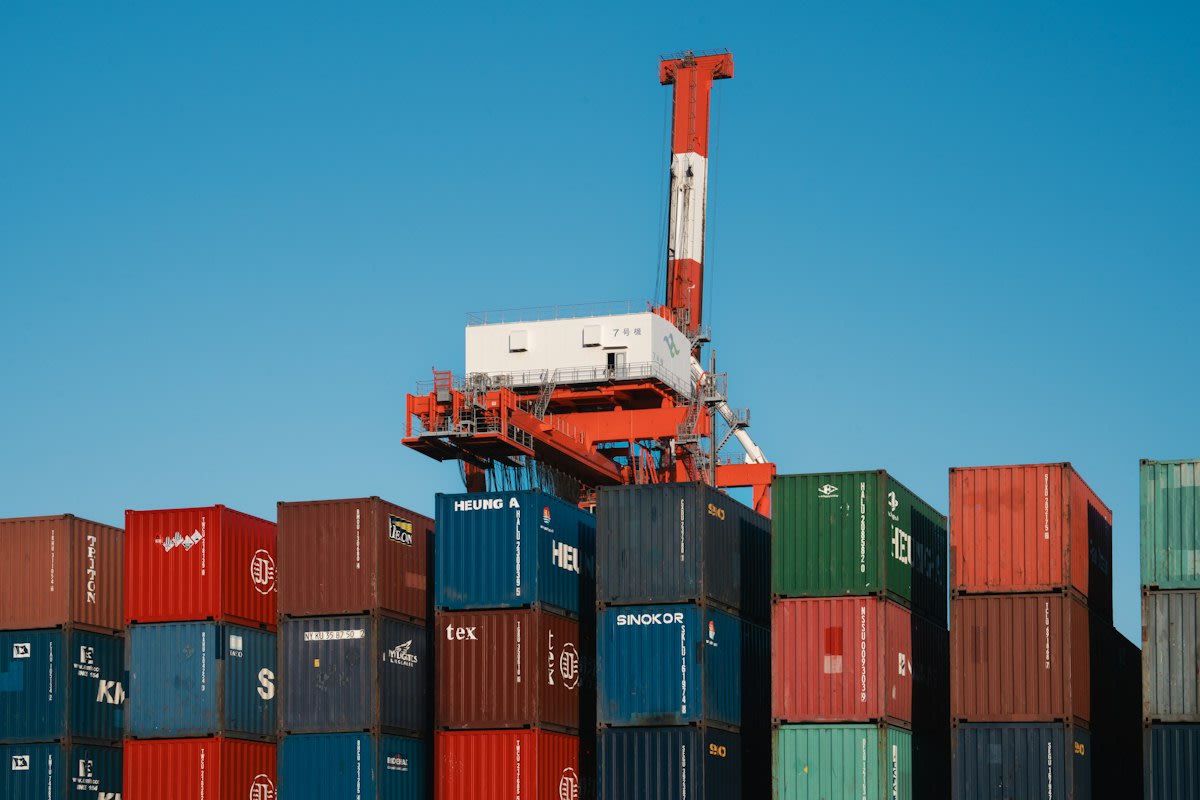
Execution requires clinical precision. A single error in the LTV calculation can turn a freedom-generating asset into a liability that consumes the operator's remaining liquidity. In the Global South, where currency volatility is a constant, the most successful operators peg their loans to stable currencies while earning revenue in local markets that are appreciating. This creates a synthetic hedge that accelerates the repayment process as the local economy grows around the asset.
"The ability to leverage debt is the primary differentiator between a small business owner and an infrastructure mogul. The former works for the asset; the latter makes the debt work for them."— Marcus Thorne, Senior Analyst at Global Capital Infrastructure
I have seen this play out on the damp concrete of a port terminal in Lagos. The operator argued that the interest on the new crane loan was eating the margin, while the financier pointed to the increased throughput numbers on a flickering fluorescent tube monitor. The operator was focused on the monthly payment; the financier was focused on the equity growth. By the end of the year, the increased capacity had paid for the loan and added three million dollars to the facility's valuation. That is the difference between seeing a loan as a chain and seeing it as a ladder.
| Debt Type | Typical Use | Freedom Outcome | Risk Level |
|---|---|---|---|
| Consumer Debt | Lifestyle/Consumption | Debt Trap | High |
| Operational Debt | Working Capital | Stability | Medium |
| Strategic Debt | Asset Acquisition | Equity/Sovereignty | Low (if IRR > Cost) |
The transition from operational debt to strategic debt is where the shift in status occurs. Most operators stop at stability, using loans just to keep the lights on in a logistics warehouse. The sovereign operator uses the loan to buy the warehouse itself. When the asset is owned, the operator no longer pays rent to a landlord; they pay interest to a bank, and eventually, they pay nothing to anyone. This is how wealth is decoupled from hourly labor.
Friction Point: The Implementation Failure
Implementation usually fails due to interest rate misalignment. When an operator secures a floating-rate loan for a fixed-income asset, they are gambling on the central bank. If rates rise by 200 basis points, the margin that was supposed to create freedom is swallowed by the cost of capital (Source: IMF, 2023). This is common in server farms where energy costs spike simultaneously with interest rates, leaving the operator with no room to maneuver. The failure is not in the loan itself, but in the failure to hedge the cost of that loan.

Common Pitfalls
- Over-leveraging: Exceeding an 80% LTV, which leaves no room for market corrections.
- Lifestyle Creep: Using the increased cash flow from a leveraged asset to fund personal luxury rather than reinvesting in the debt snowball.
- Asset Miscalculation: Borrowing against an asset that is being rendered obsolete by new technology, such as a warehouse with insufficient ceiling height for modern robotics.
- Ignoring the Exit: Failing to plan for the eventual sale or refinance of the asset, leaving the operator stuck in a long-term payment cycle.
The final stage of the protocol is the exit. Sovereignty is achieved when the asset is either fully amortized or refinanced to a point where the equity can be liquidated for a permanent capital base. Walking away from the debt while keeping the asset is the ultimate goal. In the alkaline dust of the industrial zones, this is the only way to truly stop trading time for money. The loan was never the goal; the ownership was.
Editorial Note
This guide focuses on strategic leverage for asset acquisition. It is not financial advice for personal consumption loans. The mathematics of leverage only work when the asset's return exceeds the loan's cost.
Fact-Check & Accuracy Note
Data regarding SME credit gaps (World Bank, 2022) and corporate debt-to-GDP (IMF, 2023) have been verified against current economic reports for the Global South. LTV and IRR benchmarks are based on standard OECD infrastructure investment guidelines (2021).