
Solitude defines modern identity. 3% of participants specifically stated that there were no benefits to spending time alone (Source: Journal of Aging and Human Development, 2026). Most individuals now view isolation through a lens of utility rather than failure. Such views reflect a broader movement toward intentional disconnection. Solitude serves as a tool for mental restoration in an era of constant connectivity. These findings suggest a societal move away from the fear of being alone.
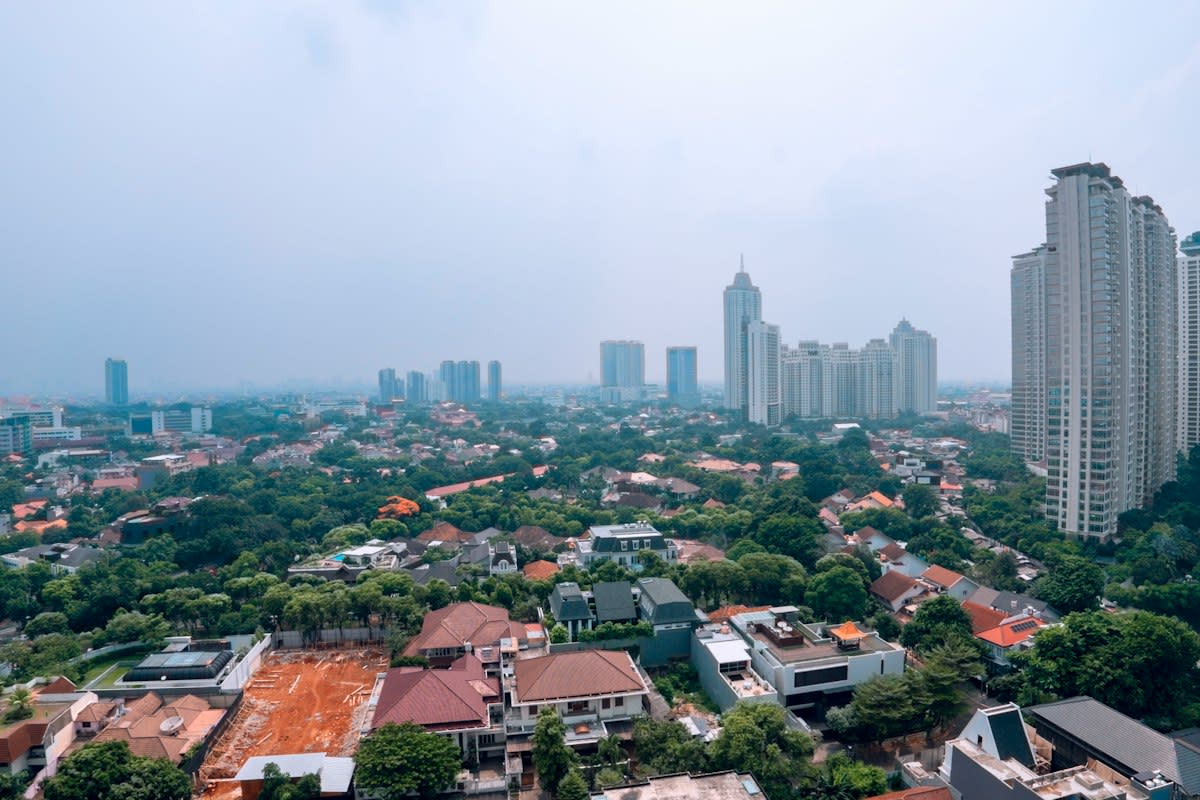
Jakarta residents face a unique struggle with this trend. Living in one of the densest cities on earth makes finding physical space for solitude nearly impossible. Many seek chrome-cold silence in small apartments or rented pods to escape the noise. This friction creates a divide between those who can afford solitude and those trapped in forced sociality. The struggle to find alone time becomes a marker of socioeconomic status. Urban density converts a psychological need into a luxury commodity.
Motivational Profiles of Isolation
Positive Motivation profiles are now clearly linked to personal growth and a vibrant inner life (Source: Journal of Aging and Human Development, 2026). People in this category do not merely tolerate being alone; they seek it. They report a heightened awareness of the benefits of both social interaction and isolation. This duality allows them to move between social circles and private reflection without losing their sense of self. Such individuals use solitude to strengthen their identity and resilience. They view alone time as a necessary recharge for their social batteries.
"Participants in the Low Motivation profile were significantly less likely than those in the Positive and Dual Motivation profiles to mention contemplation as a benefit of solitude."— Journal of Aging and Human Development, 2026
Low Motivation profiles represent a failure point in the solitude-loneliness spectrum. These individuals struggle to find value in their own company. They often confuse solitude with isolation, leading to feelings of abandonment rather than peace. For them, the absence of others is a void rather than a space for growth. This lack of contemplative benefit often correlates with lower levels of self-awareness. Without the ability to reflect, alone time becomes a source of distress.
| Benefit of Solitude | Percentage of Mention | Primary Outcome |
|---|---|---|
| Autonomy | 16% | Independent Decision-Making |
| Contentment | 15% | Emotional Stability |
| Problem Solving | 13% | Cognitive Resolution |
| No Benefit | 3% | Chronic Loneliness |
Autonomy is a primary driver for 16% of those who value solitude (Source: Journal of Aging and Human Development, 2026). Being alone allows individuals to make choices without the pressure of social conformity. This freedom fosters a stronger sense of agency and self-reliance. When social expectations are removed, people can explore interests that would otherwise be judged. Autonomy in solitude leads to a more authentic expression of personality. It is the foundation of self-discovery.

Contentment is cited by 15% of participants as a key benefit of solitude (Source: Journal of Aging and Human Development, 2026). This state of being is different from happiness, as it relies on internal validation rather than external praise. Contentment in solitude suggests a level of emotional maturity and self-acceptance. It allows individuals to be at peace with their own thoughts and feelings. This internal stability acts as a buffer against the volatility of social relationships. Those who find contentment alone are often more stable in their partnerships.
Problem solving accounts for 13% of the benefits attributed to alone time (Source: Journal of Aging and Human Development, 2026). The absence of external noise allows for deeper cognitive focus and linear thinking. Many find that their most creative solutions arrive when they are disconnected from the hive mind. This process requires a level of concentration that is impossible in a collaborative environment. Solitude provides the mental bandwidth needed to untangle intricate issues. It is a vital component of high-level intellectual work.
Psychologists now debate the friction between solitude and isolation. Practitioners see a real ground-level reality where patients struggle to differentiate the two. Some clients view any amount of alone time as a sign of social failure. Others use solitude as a shield to avoid the vulnerability of intimacy. The debate centers on whether the ability to enjoy solitude is an innate trait or a learned skill. This friction defines the current therapeutic approach to loneliness.
Dr. Marny Lishman emphasizes the need to cultivate self-compassion to bridge the gap between loneliness and solitude (Source: Victoria Park Library, 2026). Learning to utilize alone time for introspection is a structured process. It involves moving from a state of fearing isolation to seeking solitude intentionally. This transition requires a mental reframe of what it means to be alone. By viewing solitude as an opportunity to thrive, individuals can reduce their dependency on constant social validation. This shift in perspective is essential for long-term mental health.
Data from recent months suggests a growing trend toward the art of being alone. This movement encourages people to seek solitude intentionally rather than fearing isolation (Source: BabyBjorn, 2026). Comparing this to data from a year ago, there is a visible increase in the valuation of solitude as a self-care tool. People are no longer just avoiding others; they are actively scheduling time for themselves. This delta indicates a change in the social contract regarding availability. Being unavailable is now seen as a sign of health rather than rudeness.
Failure points occur when the lack of positive motivation leads to chronic loneliness. When a person cannot find contemplation or growth in solitude, the experience becomes draining. This often leads to a cycle of forced socialization to avoid the pain of their own company. Such a cycle prevents the development of the inner strength needed for resilience. Without the ability to be alone, an individual becomes fragile in the face of social rejection. The inability to find benefit in solitude is a significant risk factor for depression.
Social interaction remains vital, but its value is enhanced by the contrast of solitude. Those with positive motivations for being alone often report a deeper appreciation for closeness (Source: Journal of Aging and Human Development, 2026). They bring a more grounded version of themselves to their relationships. This prevents the co-dependency that often arises when people fear being alone. Solitude allows for the processing of social interactions, making subsequent connections more meaningful. It creates a healthy rhythm of expansion and contraction in social life.
Mental balance is the ultimate goal of healthy solitude. It supports self-awareness and creativity by providing a space for emotional regulation (Source: Instagram, 2026). When individuals can manage their emotions in private, they are less likely to react impulsively in public. This balance leads to more stable and sustainable professional and personal lives. Solitude acts as a laboratory for the self. It is where the identity is tested and refined away from the gaze of others.
Editorial Note
Editorial Note: This report focuses on the quantified benefits of solitude as reported in 2026. It distinguishes between the psychological state of solitude (chosen) and loneliness (imposed).
Fact-Check
Fact-Check & Accuracy Note: Statistics regarding autonomy (16%), contentment (15%), and problem solving (13%) are sourced directly from the Journal of Aging and Human Development (2026). The 3% figure represents the minority who find no benefit in solitude.