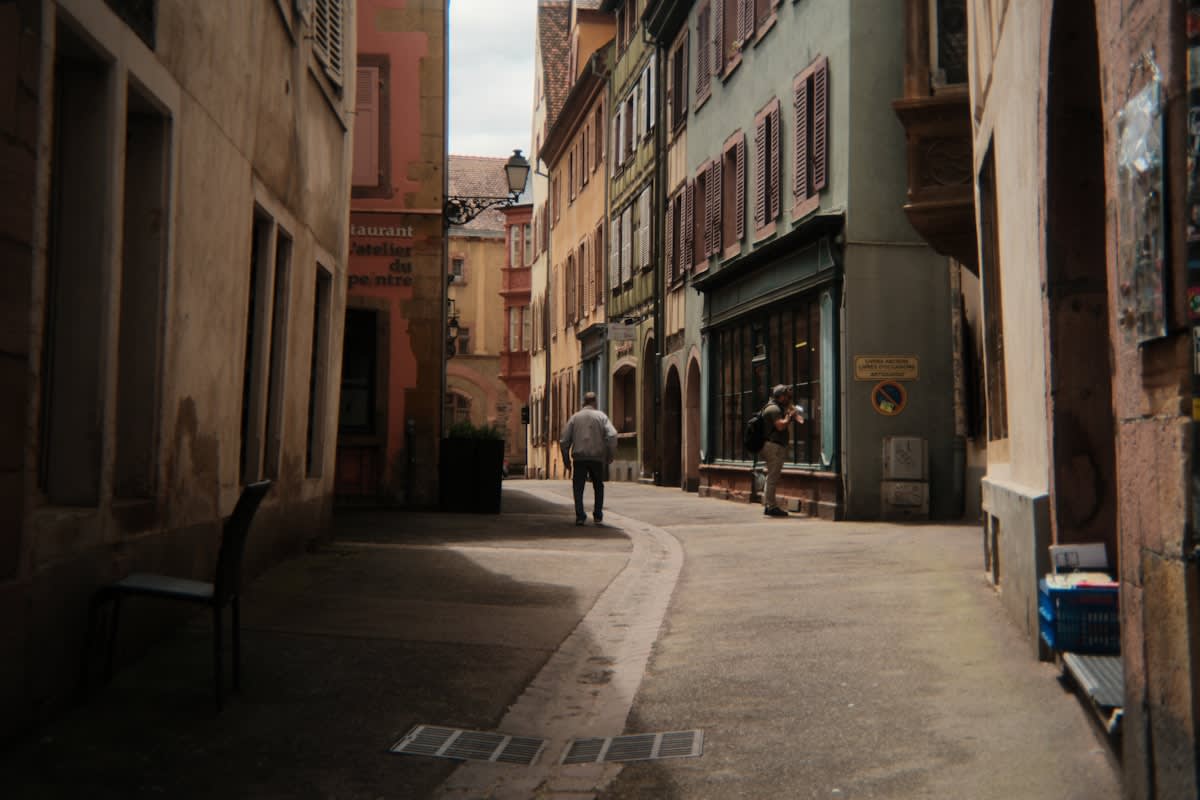
Walk through any high-density urban center—be it the neon-lit corridors of Tokyo, the cobblestone alleys of Lisbon, or the gentrified hubs of Mexico City—and you will see it. A traveler stands perfectly still, not to admire the architecture, but to capture a candid shot of themselves admiring the architecture. This is the central tension of our era. We have entered a period where the desire for a genuine experience is so intense that it has become a commodity. The moment an experience is labeled as authentic, it is packaged, tagged, and uploaded, effectively stripping it of the very spontaneity that made it desirable in the first place.
Why does this happen? The shift is systemic, not accidental. For decades, social status was derived from the possession of rare objects—the luxury car, the designer watch, the sprawling estate. However, as global middle classes expanded and luxury became accessible via credit and mass production, the goalposts moved. Status is no longer about what you own, but about who you are and what you have experienced. Authenticity has become the new luxury good. But here is the rub: authenticity, by definition, cannot be pursued. It is a byproduct of presence, not a destination you can reach via a curated itinerary.
The Architecture of the Curated Raw
We see this paradox manifesting in the rise of the curated raw aesthetic. In the early days of social media, the goal was perfection—airbrushed skin, saturated colors, and staged luxury. Now, the trend has inverted. The new prestige is the unfiltered, the grainy, and the seemingly unplanned. Yet, this casualness is often more labored than the perfection it replaced. It requires a sophisticated understanding of lighting, timing, and framing to make a photo look as if the photographer didn't care. We are not witnessing a return to honesty, but the evolution of a more complex masquerade.
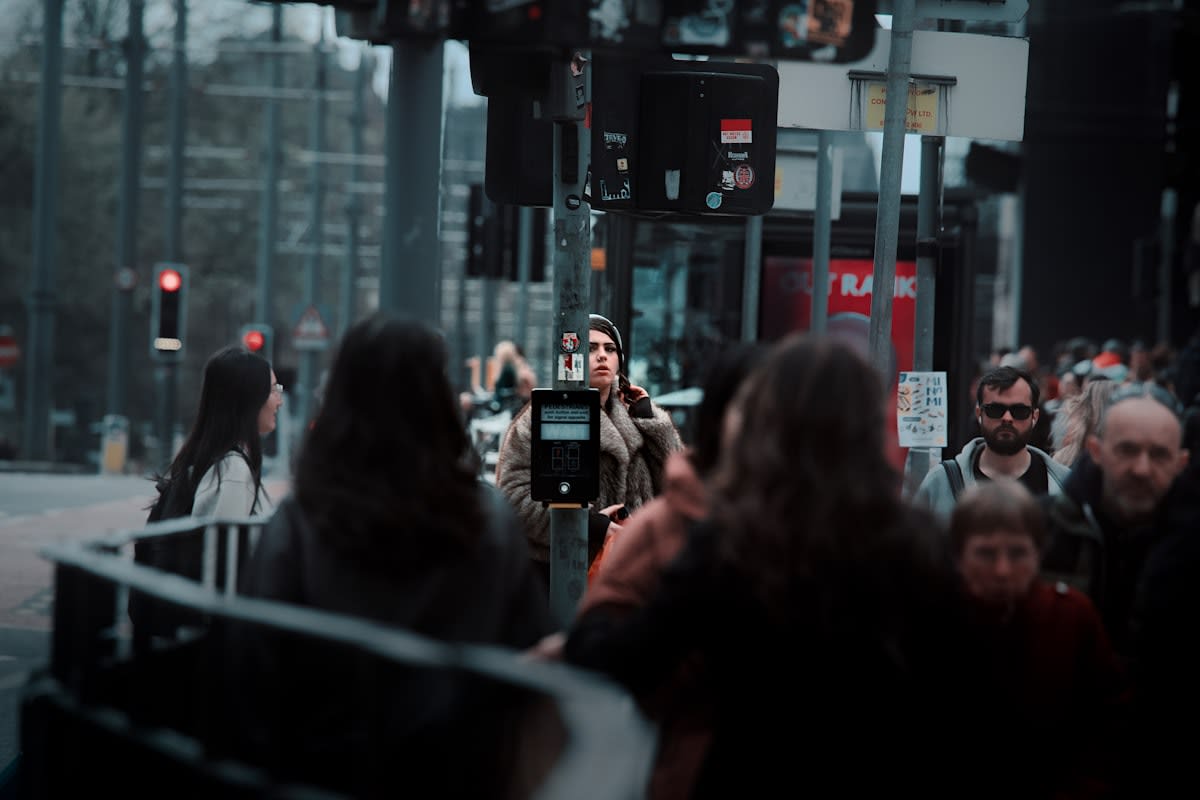
This performative authenticity extends far beyond the screen. It has infiltrated the way we design our physical environments. Consider the global trend of industrial-chic interiors—exposed brick, Edison bulbs, and reclaimed wood. These elements are designed to evoke a sense of history and raw labor, yet they are often installed in brand-new luxury developments in cities like New York or London. The space is not actually industrial; it is a simulation of industry. We are surrounding ourselves with the signifiers of authenticity to compensate for the sterile nature of modern urban existence.
"The tragedy of the modern seeker is the belief that authenticity can be found on a map. In reality, the act of searching for it often destroys the very thing being sought."— Strategic Analysis on Cultural Shifts
This phenomenon creates a destructive feedback loop known as the hidden gem cycle. A local artisan in a remote village or a quiet cafe in a side street is discovered by a few 'authentic' travelers. They share the location. The location becomes a trend. Suddenly, the quiet cafe is overrun by crowds seeking the same raw experience the first few found. The original authenticity is crushed under the weight of its own popularity, forcing the seekers to move further afield in search of a new, untouched sanctuary. It is a nomadic hunt for a ghost.
| Epoch | Primary Value Driver | Definition of Authenticity | Social Currency |
|---|---|---|---|
| Industrial Era | Material Possession | Quality of Craftsmanship | Ownership of Rare Goods |
| Information Era | Access to Knowledge | Accuracy and Truth | Expertise and Connectivity |
| Performative Era | Experiential Identity | The 'Unfiltered' Moment | Curated Rawness |
The transition from the Information Era to the Performative Era represents a fundamental shift in how humans signal value. We have moved from proving what we know to proving how we feel and where we have been. But because feelings are internal and invisible, they must be externalized through symbols. This is why the evidence of the experience—the photo, the story, the check-in—becomes more important than the experience itself. If a traveler visits a remote temple in Bhutan but fails to document it, did the authenticity actually occur, or was it merely a wasted opportunity for social signaling?
The Authenticity Tax
The Authenticity Tax refers to the hidden cost of seeking 'real' experiences: the loss of presence. When the primary goal of an activity is to prove its authenticity to an external audience, the participant ceases to be a participant and becomes a producer.
This shift is not limited to leisure; it has permeated the professional world. We now see the rise of authentic leadership, where executives are encouraged to show vulnerability, admit mistakes, and dress down. While this seems like a positive move away from corporate rigidity, it often becomes another script. Vulnerability is weaponized as a management tool to build trust more quickly, creating a performative openness that serves the organization's productivity rather than the individual's humanity. The raw is simply the new polished.

How do we break this cycle? The answer lies in a shift from performative authenticity to radical presence. This requires a conscious decoupling of experience from documentation. It means valuing the parts of a journey that are unshareable—the awkward silences, the failures, the moments of boredom that no one would ever post. True authenticity is found in the gaps between the highlights. It is the experience that provides no social currency, and therefore, provides the only real value.
- Performative: Focused on how the experience is perceived by others.
- Genuine: Focused on how the experience changes the participant.
- Performative: Requires a witness or a digital record to feel complete.
- Genuine: Gains value from the privacy and exclusivity of the moment.
- Performative: Follows a trend of what 'real' is supposed to look like.
- Genuine: Emerges from unplanned, often uncomfortable, intersections.
The global quest for the real is not a failure of character, but a response to an increasingly synthetic world. As AI-generated content and algorithmic curation define our digital lives, the hunger for something tangible and unscripted is a survival mechanism. The danger is not in the desire for authenticity, but in the belief that it can be acquired. Authenticity is not a product to be consumed or a destination to be visited; it is the residue of a life lived without the constant need for a witness.
Ultimately, the paradox reveals a deeper truth about our current social contract. We are terrified of being ordinary, yet we crave the simplicity of a real life. By turning our lives into a series of authentic performances, we achieve the opposite of our goal: we become interchangeable. The most rebellious act in a performative era is to have an experience that is entirely, stubbornly, and invisibly your own.