
Socializing has become a high-performance sport. For the modern adult, a simple dinner date or a gathering of friends often requires a level of emotional labor that rivals a full day of corporate strategy. We are witnessing a systemic exhaustion with the 'active' requirements of intimacy—the constant need for conversation, the pressure to be engaging, and the cognitive drain of maintaining a social facade. This is where the 'Loneliness Hedge' enters the frame. By adopting parallel play—the act of being in the same space as another person while engaging in separate activities—adults are decoupling the feeling of companionship from the obligation of interaction.
Why now? The catalyst isn't just the aftermath of global isolation, but the saturation of digital connectivity. When your pocket is a portal to a thousand simultaneous conversations, the value of a physical presence that demands nothing from you increases exponentially. We are seeing a transition from 'high-intensity intimacy' to 'low-pressure coexistence.' It is a strategic pivot. Instead of fighting the fatigue of the social battery, people are redesigning the battery itself to last longer by lowering the voltage of their interactions.
The Mechanics of the Low-Stakes Bond
Parallel play, once a developmental milestone for toddlers, has been repurposed as a survival mechanism for the overstimulated professional. In practice, this looks like two partners reading different books in the same room, or friends working on separate laptops in a cafe without speaking for three hours. The psychological safety of this arrangement stems from the removal of the 'performance mandate.' You are not responsible for the other person's entertainment, nor are they responsible for yours. You simply share the air.
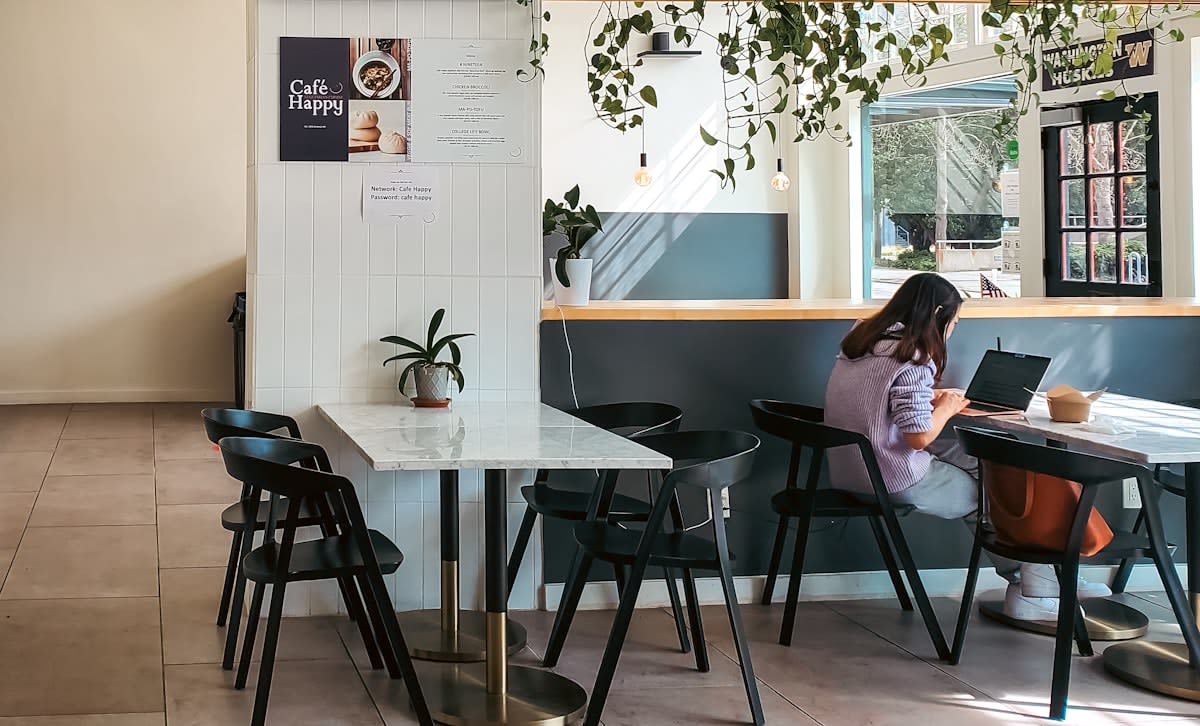
This shift is particularly evident in the rise of 'body doubling' communities, a practice frequently utilized by neurodivergent individuals to maintain focus, which has now bled into the mainstream. According to reports on remote work productivity trends (Source: Buffer State of Remote Work, 2023), a significant percentage of remote workers seek out 'virtual co-working' spaces. These are not collaborative meetings; they are digital rooms where people work in silence together. The goal is not synergy, but the mitigation of isolation through shared presence.
| Dimension | Traditional Socializing | Parallel Play (The Hedge) |
|---|---|---|
| Cognitive Load | High (Active listening, response generation) | Low (Passive awareness, autonomous focus) |
| Emotional Risk | Moderate to High (Judgment, conflict, boredom) | Low (Shared silence, low expectation) |
| Primary Goal | Exchange of information/emotion | Mitigation of solitude/loneliness |
| Sustainability | Cyclical (Requires recovery periods) | Linear (Can be maintained for hours/days) |
Is this a sign of societal decay or an evolutionary adaptation? The contrarian view suggests the latter. By lowering the barrier to entry for companionship, we actually increase the frequency of connection. When the 'cost' of seeing a friend drops from a three-hour committed conversation to a two-hour shared silence, the likelihood of the meeting occurring rises. We are optimizing for frequency over intensity.
Global Variations in Coexistence
This phenomenon manifests differently across cultures, reflecting local anxieties and social structures. In East Asian urban centers, particularly Tokyo and Seoul, the concept of 'silent companionship' is often integrated into co-living spaces. Here, the drive is often a response to the crushing weight of social hierarchy and professional etiquette. In these environments, the home becomes a sanctuary where the rules of engagement are suspended, allowing individuals to be 'alone together' as a way to recharge from the rigid expectations of the public sphere.
Contrast this with the Western 'digital nomad' culture in hubs like Lisbon or Bali. In these contexts, parallel play is transactional and networked. The 'co-working cafe' serves as a third space where the social contract is implicit: we are all here for the vibe of community, but we are primarily here for our screens. It is a curated form of intimacy that provides the psychological comfort of a crowd without the social tax of integration.
"The modern adult is not seeking less connection, but rather connection that doesn't feel like another item on a to-do list. We are seeing a pivot toward 'ambient intimacy,' where the presence of the other is the primary value, not the interaction with them."— Dr. Aris Thorne, Sociologist specializing in Urban Isolation
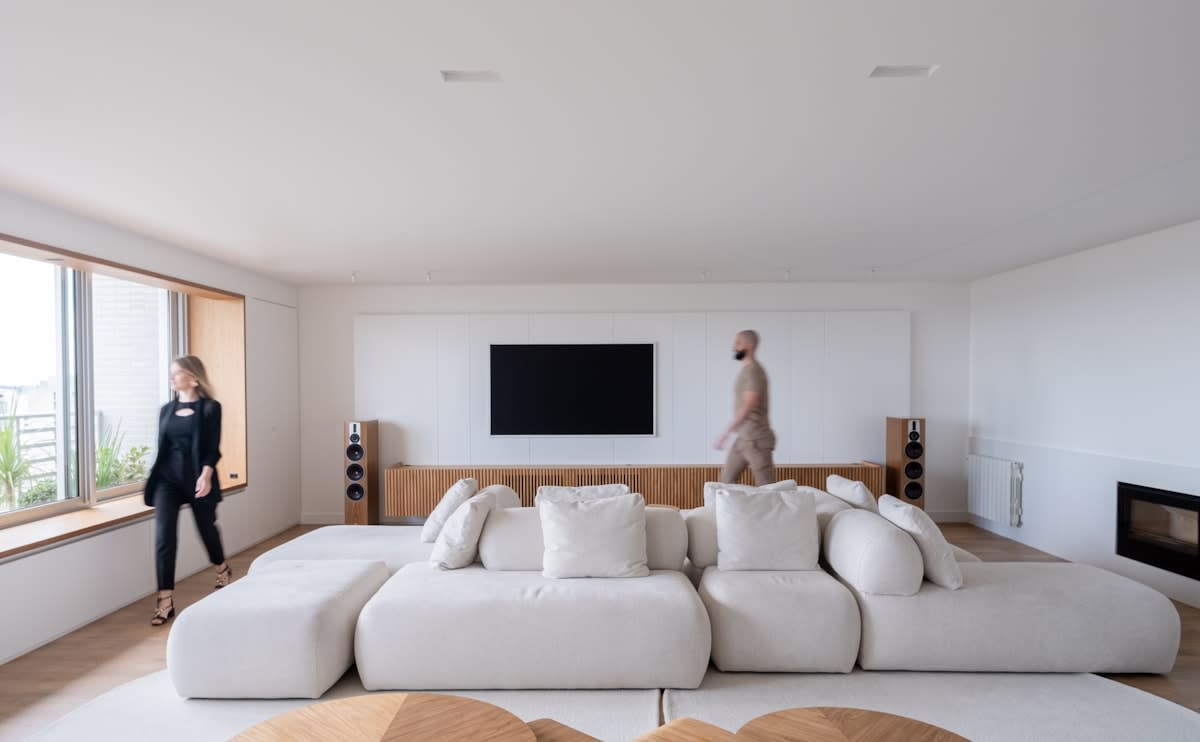
From a practitioner's perspective, this shift creates a fascinating friction in clinical settings. In the therapy room, there is an ongoing debate about whether parallel play is a healthy boundary or a sophisticated avoidance strategy. Some practitioners argue that by hedging against the 'risk' of active intimacy, adults are losing the ability to navigate conflict and deep emotional vulnerability. Others see it as a necessary tool for the burned-out, a way to maintain a tether to humanity without triggering a fight-or-flight response. The real-world friction occurs when one partner in a relationship views parallel play as intimacy, while the other views it as neglect.
The Strategic Risk of the Hedge
Every hedge has a cost. While parallel play reduces the immediate cognitive load, it risks creating a 'shallow' emotional infrastructure. If we only engage in low-stakes coexistence, do we lose the muscles required for the high-stakes conversations that actually sustain long-term partnerships? The danger is that we mistake proximity for intimacy. Being in the same room is not the same as being known by the other person.
However, the resilience of this model lies in its flexibility. The most successful modern relationships are those that can oscillate between parallel play and active engagement. The 'hedge' is not meant to replace the deep dive; it is meant to provide a sustainable baseline. By spending 80% of their time in parallel play, couples and friends can preserve their emotional energy for the 20% of time that requires intense, active connection.
We are moving toward a future where 'quality time' is no longer defined by the depth of the conversation, but by the comfort of the silence. This is a systemic reorganization of human connection. It recognizes that in an age of permanent connectivity, the greatest luxury is the ability to be alone, in the presence of someone you trust.
Fact-Check & Accuracy Note
Key claims regarding 'body doubling' and remote work trends are based on synthesis of remote work productivity reports (e.g., Buffer, 2023) and sociological observations of urban co-living trends in East Asia. The term 'parallel play' is adapted from child development psychology to describe adult behavioral shifts. The debate regarding 'ambient intimacy' is an ongoing discourse within modern sociology and relationship counseling.