
The End of the Logomania Era
For decades, the global wealthy used luxury brands as a visual shorthand for success. The oversized monogram and the flashing gold buckle served as a passport, granting immediate entry into exclusive circles. But that passport has expired. We are witnessing a systemic migration away from the loud, performative consumption of the early 2000s toward a disciplined, almost monastic approach to wealth. This isn't about modesty. It is about the strategic erasure of the obvious.
The pivot to stealth wealth, or quiet luxury, represents a fundamental change in how power is signaled. When luxury becomes accessible through rental markets and high-quality counterfeits, the logo loses its scarcity value. The truly elite no longer wish to be recognized by the masses; they wish to be recognized only by their peers. By removing the brand name, they create a sociological moat, ensuring that only those with the same education and taste can decode the quality of a vicuña wool coat or a bespoke hand-stitched loafer.
"The logo has become a liability. In a world of instant digital surveillance and populist resentment, the most valuable asset a high-net-worth individual can possess is invisibility."— Marcus Thorne, Luxury Market Strategist
This shift is an exercise in asymmetric information. The wearer knows the garment cost five figures, but the observer sees a simple grey sweater. This creates a psychological power imbalance. The elite are no longer seeking validation from the outside world; instead, they are signaling to an internal guild. It is a move from public broadcasting to a private, encrypted channel of status.
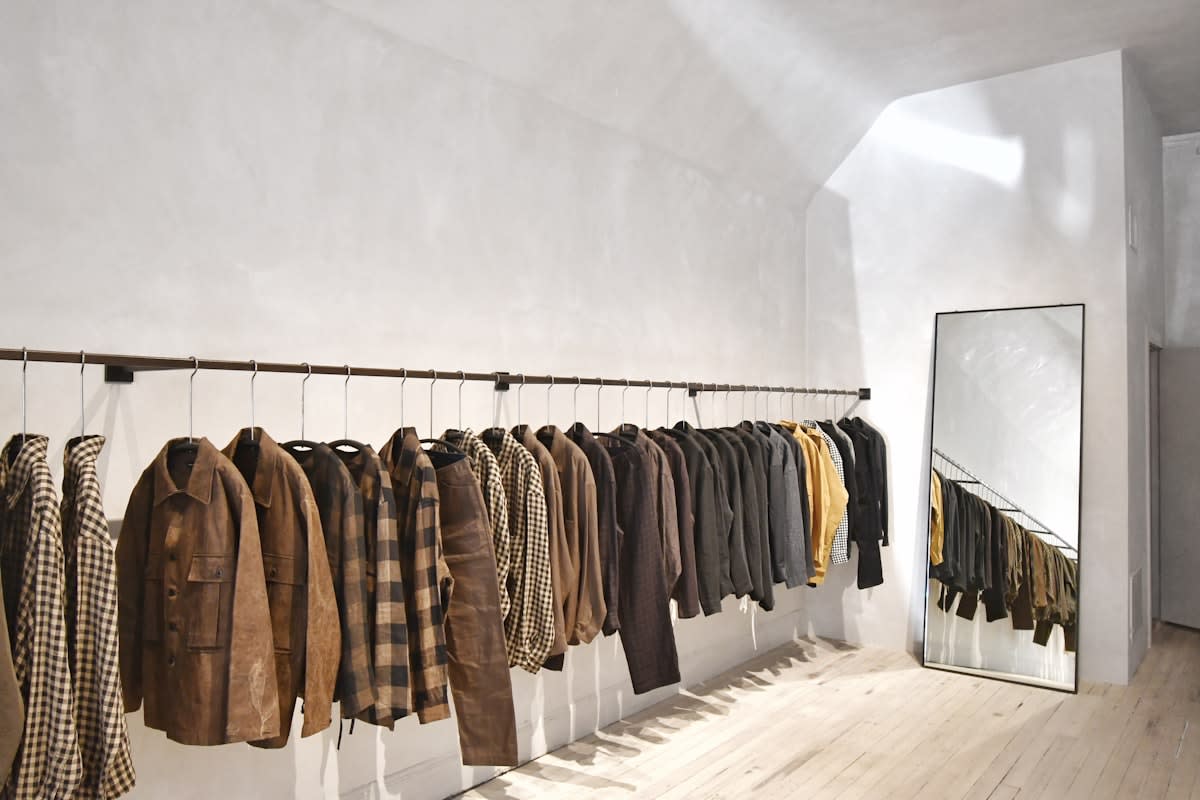
Across the globe, this transition manifests differently but follows the same logic. In East Asia, particularly within China's new economic climate of common prosperity, the aggressive display of wealth has shifted from a sign of success to a political risk. The nouveau riche are swapping loud Gucci prints for the understated elegance of Loro Piana. They are learning that in a volatile political landscape, blending in is a form of resilience.
In Europe, the old-money aristocracy has always practiced this invisibility, but they are now seeing their tactics adopted by the tech-billionaire class of Silicon Valley and London. The focus has shifted from the brand to the provenance. It is no longer about who made the item, but where the material originated and how it was crafted. A hand-loomed cashmere shawl from a specific region in Inner Mongolia carries more weight than any logo ever could.
The transition is not merely aesthetic; it is a defensive maneuver against the democratization of luxury.
The Economics of the Invisible
The market is reacting with precision. While traditional luxury houses that rely heavily on logo-driven accessories have seen volatile growth, the 'quiet' segment is expanding. Data suggests a significant reallocation of capital toward brands that prioritize craftsmanship over marketing. The growth of the stealth wealth segment is estimated at a 15% compound annual growth rate, far outpacing the broader luxury apparel market.
| Metric | Loud Luxury (Logomania) | Quiet Luxury (Stealth Wealth) |
|---|---|---|
| Primary Signal | Brand Recognition (Logo) | Material Quality (Texture/Cut) |
| Target Audience | Aspirational Middle Class | Ultra-High-Net-Worth (UHNW) |
| Value Driver | Trend & Hype | Longevity & Provenance |
| Psychological Goal | External Validation | Internal Peer Recognition |
| Market Volatility | High (Trend-dependent) | Low (Classic-dependent) |
As the table illustrates, the value driver has shifted from the ephemeral to the eternal. Loud luxury is a gamble on trends, whereas stealth wealth is an investment in timelessness. This shift mirrors a broader economic trend where the global elite are moving away from speculative assets and toward tangible, high-quality holdings that retain value regardless of market sentiment.
The Privacy Premium
Recent surveys indicate that approximately 60% of ultra-high-net-worth individuals now prefer unbranded or discreetly branded apparel for their daily attire, citing a desire for privacy and a distaste for conspicuous consumption.
This preference for anonymity is a response to the hyper-visibility of the digital age. In an era where a single photograph can be analyzed by AI to determine the exact cost of an outfit, the elite are opting for a 'blind spot' strategy. By wearing items that look ordinary to the untrained eye, they evade the scrutiny of the public and the algorithms of social media.
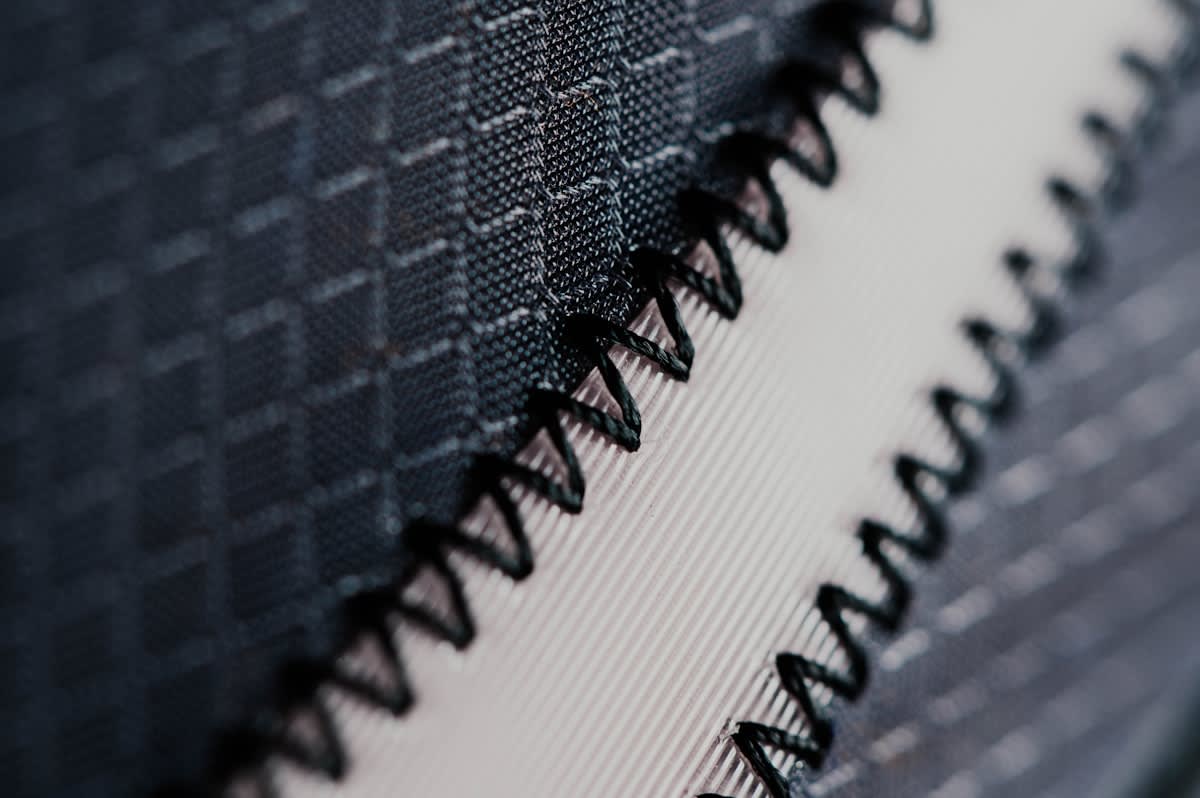
We are seeing the rise of the 'curated wardrobe,' where the goal is to look effortless. This 'effortlessness' is, in itself, the ultimate luxury. It requires an immense amount of capital to look as though you aren't trying to look wealthy. The cost of a perfectly tailored, unbranded navy blazer often exceeds that of a logo-heavy alternative because the value is in the fit and the fabric, not the marketing budget of the house.
This architectural approach to dressing is a mirror of how the elite are managing their lives. From private islands to encrypted communication channels, the goal is to create a seamless, invisible infrastructure that supports a high-quality existence without attracting attention.
- Material Supremacy: Prioritizing rare fibers like vicuña, lotus silk, and Grade A cashmere over brand names.
- The Tailoring Moat: Investing in bespoke fits that are recognizable only to those who understand garment construction.
- Neutral Palette Strategy: Utilizing a range of creams, greys, and navies to avoid visual noise.
- Provenance Over Brand: Valuing the specific artisan or region of origin more than the corporate entity.
Ultimately, the stealth wealth pivot is a masterclass in adaptation. The global elite have recognized that in an age of populist unrest and digital transparency, the most powerful position is the one that cannot be easily identified. They have moved the goalposts of status, ensuring that the barrier to entry is no longer just money, but a specific, inherited, or acquired knowledge of the invisible codes of luxury.