The Architecture of Belonging
Human beings possess an innate, biological requirement for social cohesion that digital interfaces cannot satisfy. We call these essential social anchors Third Places—environments that are neither the home (the first place) nor the workplace (the second place). These spaces function as the social glue of a civilization, providing a neutral ground where individuals can congregate, exchange ideas, and develop a sense of belonging without the pressures of domestic duty or professional hierarchy. When these spaces vanish, we don't just lose a place to buy coffee; we lose the infrastructure of empathy.
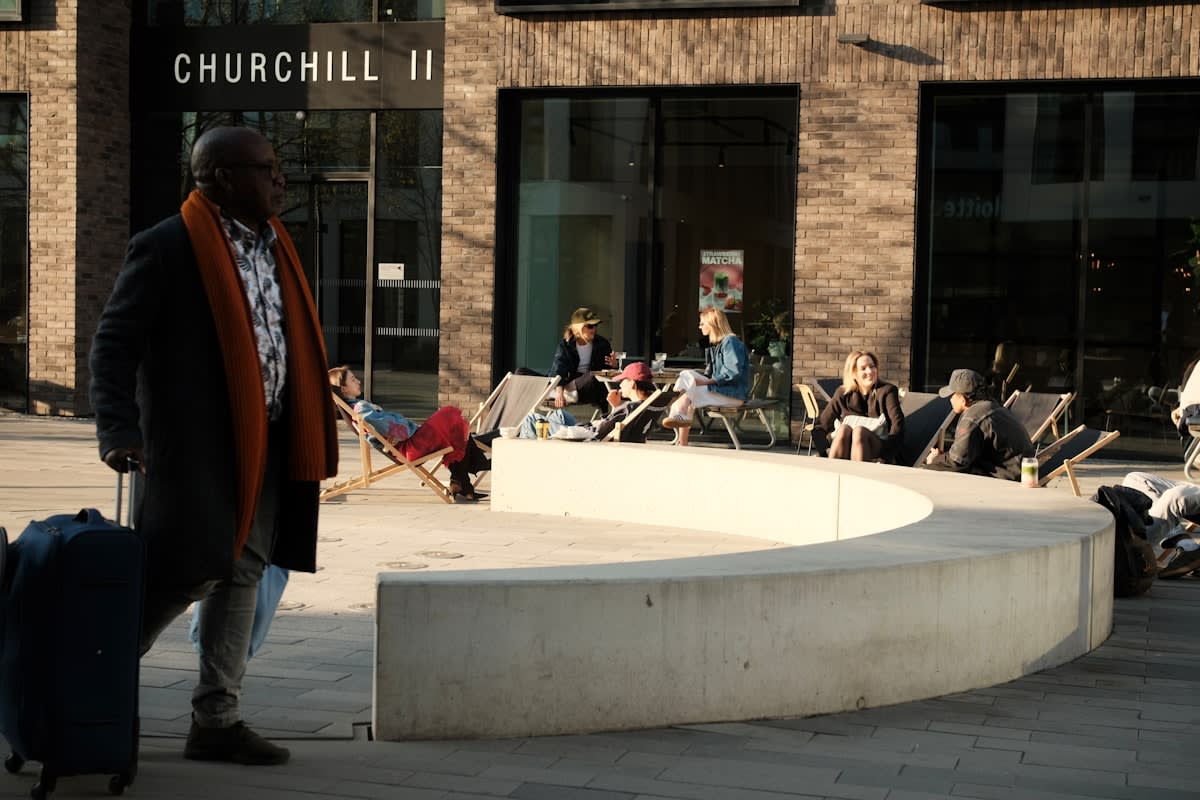
Look at the global variations of this phenomenon to understand its versatility. In Italy, the piazza serves as a communal living room where the act of the passeggiata—the evening stroll—facilitates unplanned encounters. In Japan, the kissaten provides a curated, quiet sanctuary for contemplation and low-stakes social observation. Even the traditional British pub or the American diner operates on the same fundamental logic: they provide a predictable, accessible environment where the cost of entry is low and the potential for connection is high. The goal is not entertainment, but presence.
The Core Philosophy
The 'Neutral Ground' principle dictates that a Third Place must be free of the power dynamics found at work and the emotional obligations found at home. It is the only space where an individual is judged not by their productivity or their role in a family, but by their presence as a fellow citizen.
Why does this matter now? Because digital connectivity has created a paradox of proximity: we are more reachable than ever, yet more isolated. We have traded the 'weak ties' of the local bookstore or community garden for the 'strong ties' of curated online echo chambers. Rebuilding physical community requires more than just opening a door; it requires a deliberate strategy to engineer serendipity. You must design for the 'accidental conversation,' the kind of interaction that happens when two strangers reach for the same condiment or comment on the weather while waiting in a queue.
Prerequisites for a Functional Third Place
Before you lay a single brick or lease a storefront, you must ensure the fundamental prerequisites are met. A space that feels exclusive or inaccessible is not a Third Place; it is a club. The most successful community hubs operate on a philosophy of radical accessibility, ensuring that the physical and psychological barriers to entry are virtually non-existent.
- Physical Accessibility: The space must be located within a 15-minute walk for the target demographic, adhering to the '15-minute city' urban planning benchmark.
- Low Economic Barrier: Entry must not require a high financial commitment. A 'zero-barrier' entry point—such as a free gallery area or a cheap cup of tea—is essential.
- Psychological Safety: The environment must signal that it is a 'safe harbor' where newcomers are welcomed without being interrogated.
- Consistent Availability: Reliability is key. A Third Place that has erratic hours ceases to be a reliable anchor in a person's weekly routine.
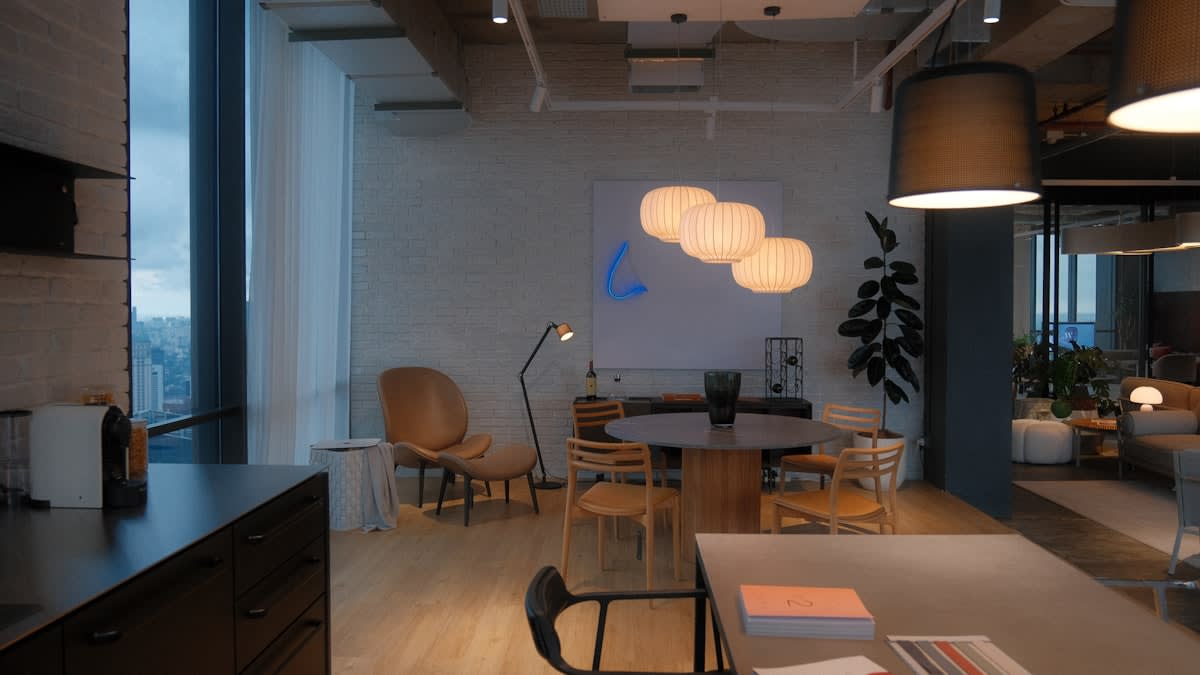
Consider the impact of lighting and acoustics on these prerequisites. Harsh, fluorescent lighting signals a transactional environment—think of a fast-food joint designed to move people through as quickly as possible. Conversely, warm, layered lighting and dampened acoustics encourage lingering. If a person feels they are being watched or rushed, they will not settle in. The physical environment must whisper, 'Stay as long as you like,' rather than shouting, 'Buy this and leave.'
The Implementation Roadmap
Building a community hub is an iterative process of social engineering. You cannot force a community to form; you can only create the conditions that make its formation inevitable. Follow this phased approach to move from a vacant space to a vibrant social ecosystem.
- Identify the Anchor: Determine the primary 'excuse' for people to visit. Whether it is a specialized coffee roast, a tool-sharing library, or a niche hobby shop, the anchor provides the initial pull.
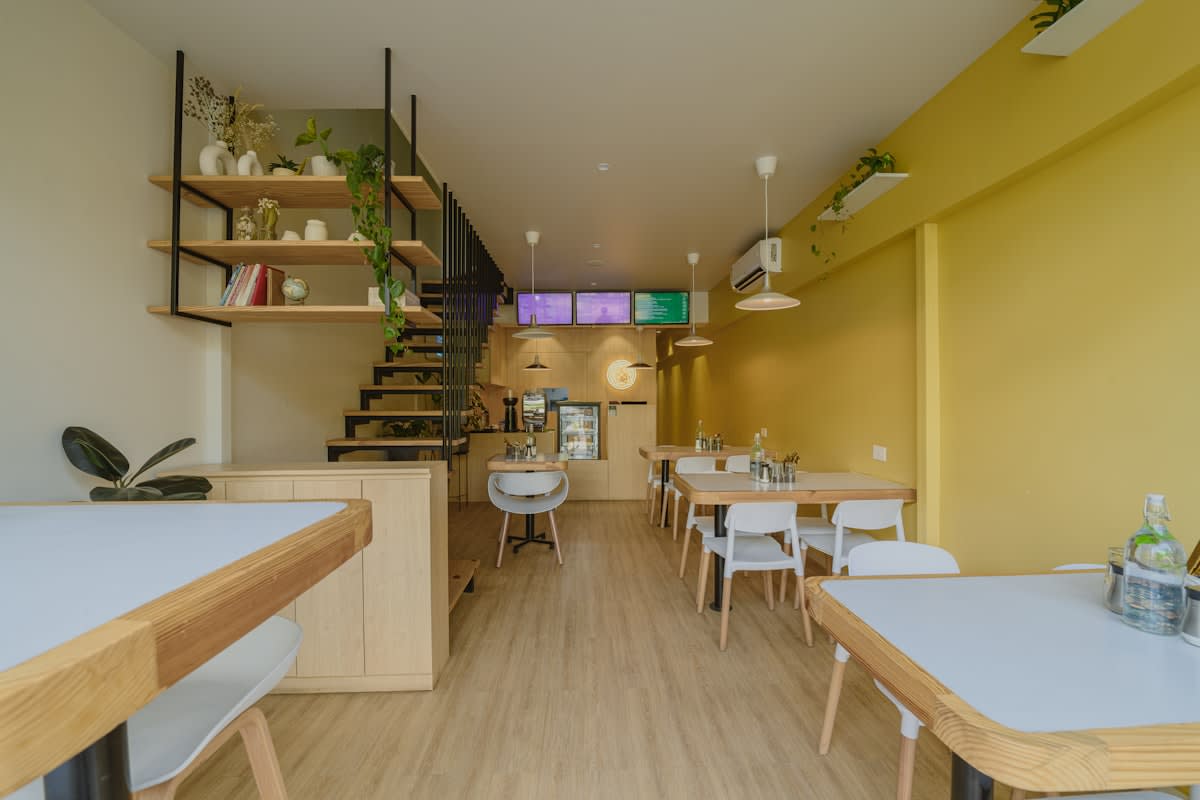
- Optimize for Serendipity: Arrange the physical layout to force 'micro-interactions.' Place the condiment stand or the coat rack in a central area where people must cross paths.
- Cultivate the 'Regular': Identify the early adopters who feel a sense of ownership. These individuals become the unofficial ambassadors who welcome newcomers, reducing the social anxiety of the first visit.
- Implement Low-Stakes Rituals: Create recurring, predictable events. A Tuesday night board game session or a Friday morning community briefing creates a temporal anchor for the community.
- Manage the Friction: Actively monitor the balance between the 'regulars' and the 'newcomers' to prevent the space from becoming an insular clique.
When identifying the anchor, avoid the temptation to be 'everything to everyone.' A space that tries to be a gym, a cafe, and a coworking space simultaneously often ends up lacking a clear identity. The anchor should be a specific, high-quality offering that attracts a core group of enthusiasts. Once that core is established, the 'Third Place' magic happens when the anchor becomes secondary to the social interaction. The coffee is why they came the first time; the people are why they return every day.
Optimizing for serendipity requires a deep understanding of spatial psychology. Use the 60% open-floor ratio rule to ensure that movement is fluid but not sterile. Create 'eddies' in the flow of traffic—small pockets of seating or interest points where people can pause without blocking the path. When people pause, they become observant. When they become observant, they notice others. This is the precise moment where a stranger becomes an acquaintance.
| Feature | Transactional Space (The Store) | Relational Space (The Third Place) |
|---|---|---|
| Goal | Efficiency and turnover | Lingering and connection |
| Seating | Rigid, uncomfortable, optimized for speed | Modular, comfortable, optimized for groups |
| Staff Role | Service provider | Social facilitator/Connector |
| Atmosphere | Predictable and sterile | Organic and evolving |
The role of the facilitator is perhaps the most underrated element of the blueprint. In a true Third Place, the owner or manager acts as a 'super-connector.' They don't just take orders; they remember names, introduce people with shared interests, and curate the vibe of the room. This human element transforms a commercial transaction into a social experience. If the staff is purely transactional, the space will remain transactional.
Common Pitfalls and How to Avoid Them
Many ambitious community projects fail because they succumb to the 'Coffee Shop Paradox.' This occurs when a space provides high-speed Wi-Fi and plenty of power outlets, inadvertently encouraging people to build digital walls around themselves. When every patron is wearing noise-canceling headphones and staring at a laptop, the physical space is merely a glorified office. To counter this, implement 'analog zones' or 'device-free hours' to signal that the primary value of the space is human interaction, not connectivity.
Then there is the 'Exclusivity Trap.' As a Third Place becomes successful, it naturally attracts a core group of regulars. If left unchecked, this group can become a gatekeeping entity, making newcomers feel like intruders in a private club. This is where the 80/20 rule of community engagement becomes dangerous: while 20% of your regulars drive 80% of the atmosphere, they can also accidentally stifle growth. The facilitator must actively work to integrate new faces, ensuring the 'social contract' of the space remains inclusive.
"The success of a community hub is not measured by its revenue per square foot, but by the number of unplanned conversations that occur within its walls every hour."— Master Practitioner's Axiom
Finally, avoid the mistake of over-programming. When you fill every hour of the day with structured events, you leave no room for the organic growth of community. The most valuable interactions in a Third Place are the ones that aren't on the calendar. Leave gaps. Leave silence. Leave space for people to simply exist in the presence of others. The blueprint for community is not a rigid schedule, but a flexible framework that allows human nature to take the lead.