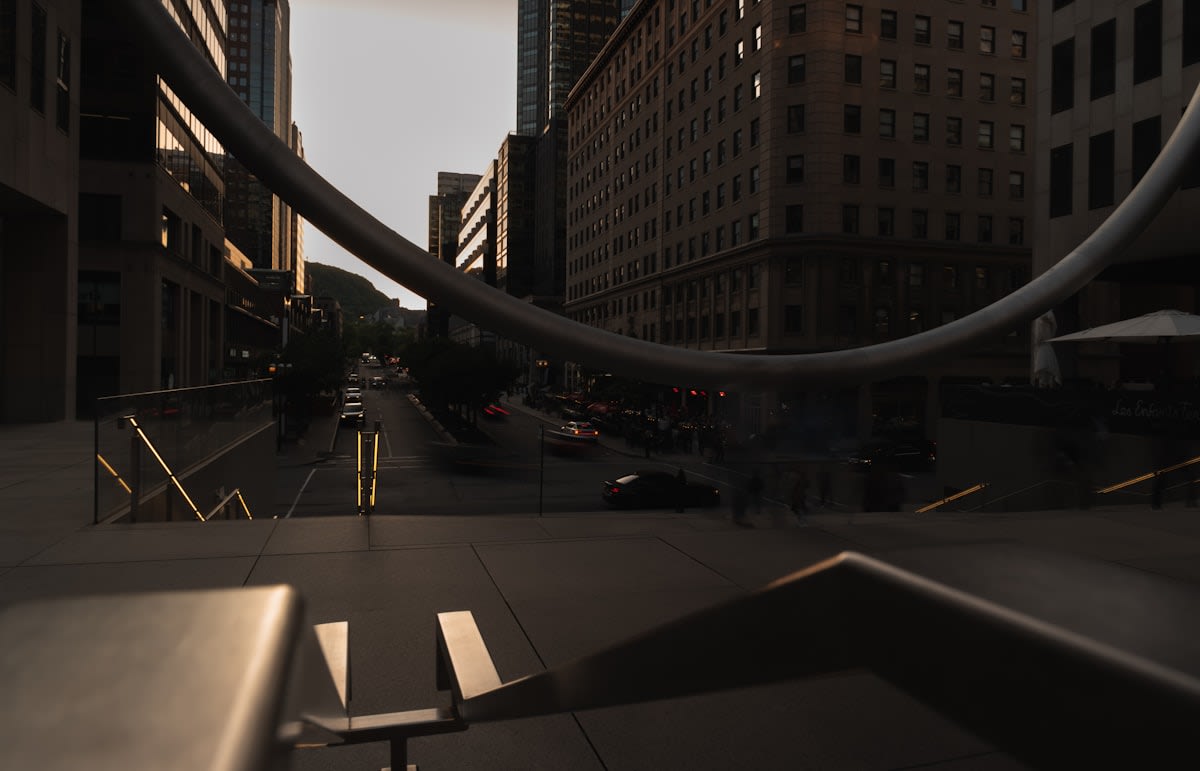
The traditional 'Third Place'—the social surroundings separate from the two usual social environments of home and the workplace—is undergoing a quiet, systemic erasure. We are witnessing a global transition where the spaces meant for spontaneous human interaction are being replaced by environments designed for efficiency, security, or consumption. Why is this happening now? The answer lies in a convergence of aggressive urban planning, the commercialization of real estate, and a heightened global security posture that views 'unregulated' space as a liability rather than an asset.
This shift is not a coincidence but a materialization of ideology. Architecture is never neutral; it actively shapes social relations and often reinforces systems of exclusion and control (Source: Crafting Venus, 2026). When we look at the modern city, we see the rise of what is termed 'offensive architecture'—design choices intended to discourage specific behaviors or people from occupying a space. This is the paradox: in an era of hyper-connectivity, the physical infrastructure supporting that connection is being dismantled in favor of regulated, predictable environments.
The Commercial Pivot: AI and the Real Estate Delta
The delta between 2025 and 2026 reveals a stark contradiction in how we value physical space. While total tech employment in the U.S. declined by 1.5% between 2025 and 2026, office leasing demand from the technology sector has continued to rebound (Source: JLL, 2026). This isn't a return to the old 'watercooler' culture. Instead, the demand is driven by AI company expansion and a shift toward compute-intensive R&D environments that require proximity to massive power supplies and high-capacity data infrastructure (Source: JLL, 2026). The 'office' is evolving into a specialized machine, leaving less room for the incidental social spaces that once defined corporate campuses.
Tech Sector Spatial Paradox (2025-2026)
Executive Insight
+18.4%
YTD Growth
This transition creates a void. As financial services compress mid- and back-office headcounts to optimize their footprints (Source: JLL, 2026), the 'premium' assets in major financial centers remain in high demand. We are seeing a bifurcation of space: high-value, high-security hubs for the AI and financial elite, and a dwindling supply of accessible, low-cost spaces for the general public. Where does the average citizen go when the plaza is privatized and the library is underfunded?
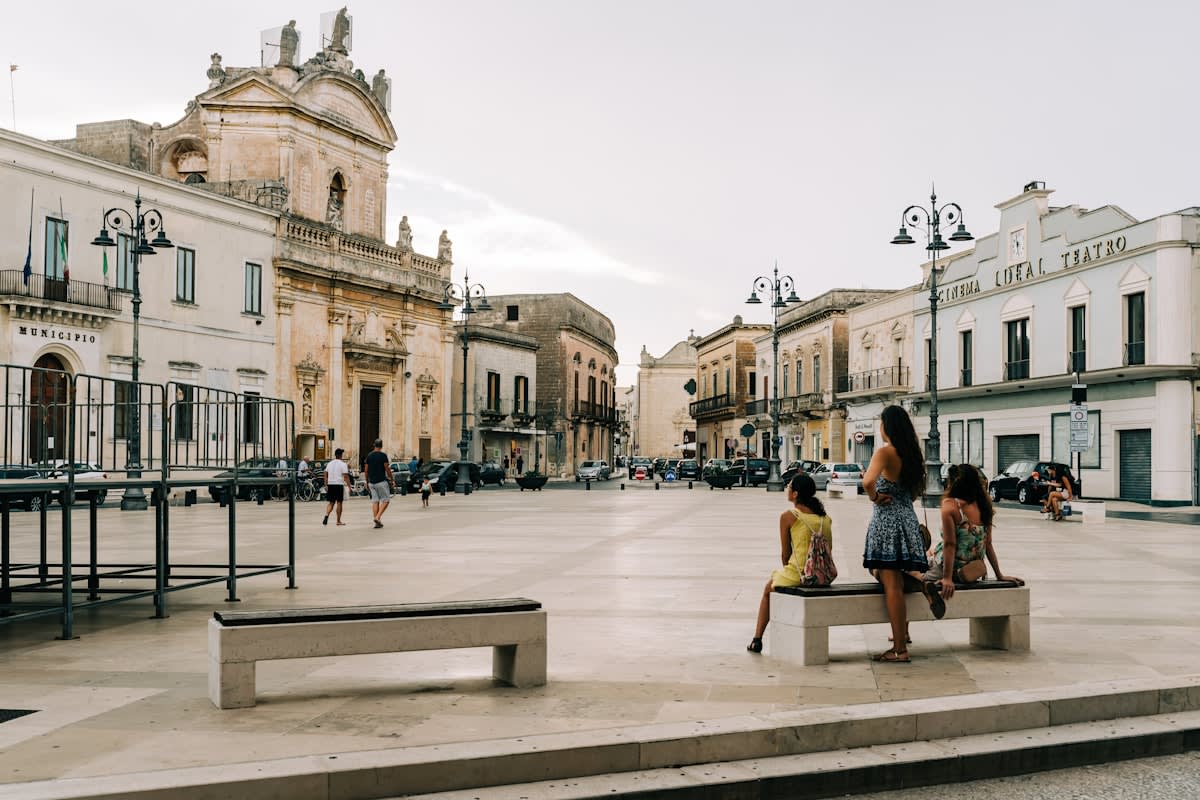
The result is a spatial environment that prioritizes the 'user' over the 'citizen.' When space is treated as a compute-intensive asset or a secure perimeter, the psychological needs for belonging, self-expression, and autonomy are sidelined (Source: Crafting Venus, 2026). This is not merely an aesthetic choice; it is a political act of spatial regulation that determines who is welcome in the public eye and who is pushed to the margins.
Security Architecture: From Protection to Exclusion
The erosion of free space is inextricably linked to the legacy of global security architectures. Post-9/11 measures, such as the USA Patriot Act, fundamentally altered how agencies collect intelligence and how public spaces are monitored (Source: CSIS, 2026). This security-first mindset has bled into civilian urban planning. The creation of the Department of Homeland Security and the National Counterterrorism Center established a precedent where the primary lens for viewing public space is one of threat mitigation rather than social cohesion (Source: CSIS, 2026).
"Architecture mediates power, subtly influencing how people behave and relate to each other."— Kim Dovey, as cited in Crafting Venus (2026)
Today, this manifests as 'defensive architecture'—the installation of armrests on benches to prevent sleeping or the use of sonic deterrents to move 'undesirables' along. While proponents argue these measures provide safety, they effectively eliminate the possibility of a 'free' Third Place. When every square inch of a city is designed to prevent loitering, we are essentially outlawing the very act of unplanned social connection. This creates a sterile environment where interaction only occurs within the bounds of a commercial transaction.
The threat landscape is further complicating this. The rise of agentic AI allows state and non-state actors to target critical infrastructure at scale, leading to even more restrictive physical perimeters around energy and data hubs (Source: CSIS, 2026). As we see in the case of 'Volt Typhoon,' the need to protect cyber-physical systems is driving a push for more 'vetted' and controlled access points (Source: CSIS, 2026). The boundary between a secure facility and a public street is becoming a hard wall, further fragmenting the urban fabric.
On the ground, this creates a visceral friction for urban planners and architects. In the boardrooms, the debate isn't about 'beauty' but about 'risk management.' I have seen this play out in countless project reviews: a designer proposes an open, inviting courtyard to foster community, only for the security consultant to insist on bollards, cameras, and 'anti-loitering' seating to mitigate liability. The tension is between the desire for a vibrant city and the institutional fear of an unregulated one.
| Feature | Traditional Third Place | Modern Regulated Space |
|---|---|---|
| Access Requirement | Free/Low-cost | Transaction or Vetting |
| Primary Goal | Social Cohesion | Risk Mitigation/Profit |
| Design Philosophy | Inclusive/Open | Defensive/Offensive |
| Interaction Type | Spontaneous | Scheduled/Monitored |
The Extreme Analog: Lessons from Confined Habitats
To understand the psychological toll of vanishing free space, we can look at neuroarchitecture in extreme environments, such as space habitats or polar stations. In these settings, where the exterior is physically hostile or inaccessible, the interior architecture must mediate not only functional tasks but also cognitive and affective outcomes (Source: MDPI, 2026). When humans are confined to spaces that are purely functional, their sense of temporal and spatial continuity begins to erode.
The parallels to our modern cities are striking. As we move toward 'compute-intensive' hubs and security-gated communities, we are effectively creating terrestrial analogues of these confined environments (Source: MDPI, 2026). We are living in 'hostile' urban landscapes where the only available 'safe' spaces are those that are highly regulated. This lack of autonomy in our environment leads to a decrease in psychological well-being and a fragmented sense of community.
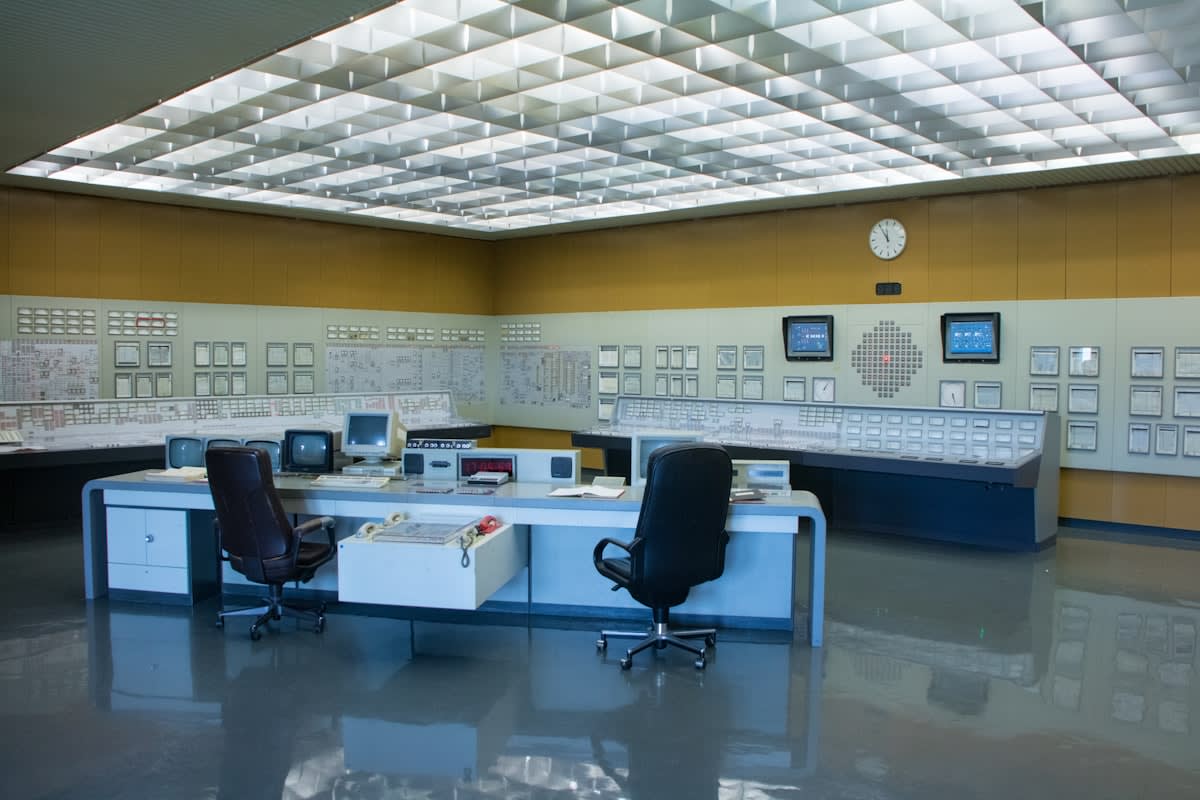
However, there is an opportunity for resilience. Just as architects in extreme environments use neuroarchitecture to maintain mental health, urban designers are beginning to experiment with 'resistance architecture'—designing beyond aesthetics to challenge norms of exclusion (Source: Crafting Venus, 2026). By intentionally creating spaces that resist regulation and prioritize human needs like joy and belonging, we can begin to reclaim the Third Place.
The future of human connection depends on our ability to negotiate the tension between security and openness. We cannot ignore the reality of cyber-physical threats or the economic shifts driven by AI, but we must refuse the notion that these forces necessitate the death of the public square. The goal is not to return to a pre-security era, but to build a new architecture of trust.
Fact-Check & Accuracy Note
Key claims regarding the decline of tech employment (1.5%) and the rebound in office demand are sourced from JLL (2026). Analysis of defensive architecture and the ideologies of spatial regulation is based on the thesis 'Crafting Venus' (2026) and the work of Kim Dovey. Security infrastructure data is sourced from the Center for Strategic and International Studies (CSIS, 2026). The application of neuroarchitecture in extreme environments is sourced from MDPI (2026). Current debates regarding the balance of security vs. hospitality in urban planning are ongoing within the architectural community.