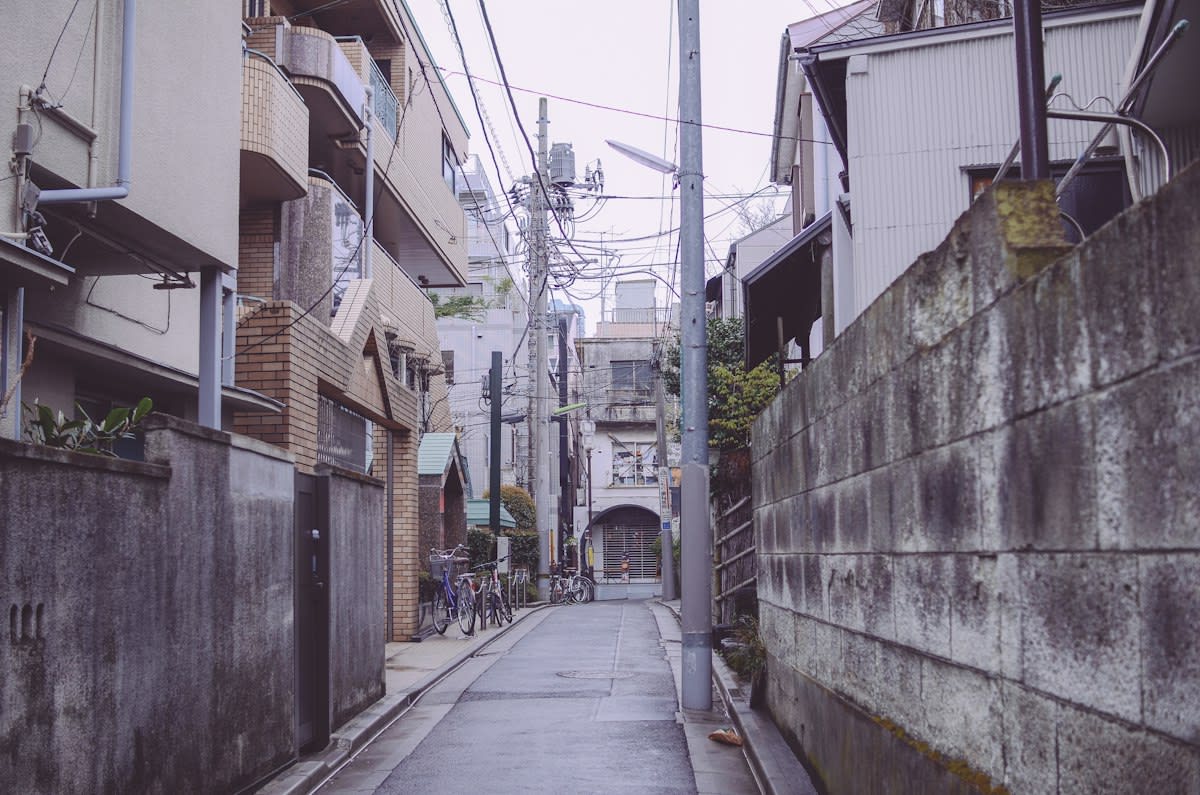
Tokyo faces a silent crisis. 8.48 million homes sat vacant nationwide in 2023 (Source: MLIT, 2023). Houses rot quietly behind cedar fences. Owners avoid taxes by refusing to register demolitions. Legal loopholes allow ghosts to own land. Rot creates a hidden map of decay across the city.
Ghost Houses and Legal Inertia
Property laws protect owners over neighbors. Heirs ignore ancestral plots due to emotional ties. Taxes remain low for land with structures. Demolition of a house triggers higher land taxes. Financial traps ensure ruins remain standing for decades. Owners prefer a crumbling wall to a tax bill.
Gardens become jungles of invasive weeds. Rats nest in collapsing eaves and rotting floorboards. Fire hazards increase as old wiring degrades in the humidity. Neighborhoods lose value as rot spreads to adjacent lots. Residents complain about pests and smells. Nobody knows who to call because the owners are missing.
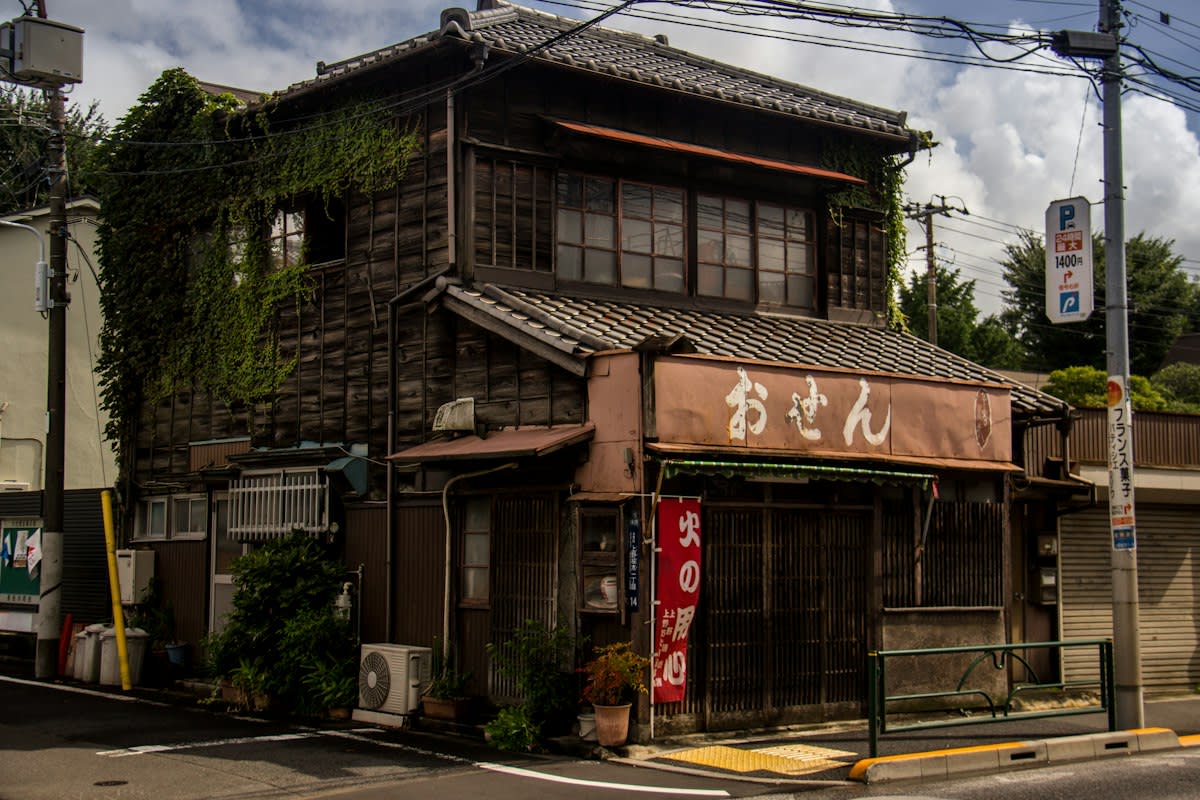
Government officials struggle with enforcement. Zoning laws prevent easy seizure of private land. Owners often live in distant prefectures or are deceased. Heirs take years to find through tedious bureaucracy. Lawsuits over inheritance stall any attempt at cleanup. State power lacks the ability to force a sale.
"Property laws treat land as a sacred right, even when that property becomes a public hazard. The state cannot simply erase a title because a roof is leaking."— Kenji Sato, Urban Planning Consultant
Money fails to move the needle. Subsidies for demolition are too small to cover actual costs. Buyers fear hidden structural defects in old wood. Soil contamination risks deter new developers from small plots. Market demand stays concentrated in high-rise central hubs. Houses are seen as liabilities rather than assets.
| Metric | 2013 Value | 2023 Value | Delta |
|---|---|---|---|
| Vacant Homes (Nationwide) | 6.6M | 8.48M | +28% |
| Vacancy Rate | 12.6% | 13.8% | +1.2% |
| Abandoned House Reports | Low | High | Significant |
Babies are fewer in number every year. Birth rates hit 1.20 in 2023 (Source: Ministry of Health, Labour and Welfare, 2023). Youth prefer rentals over old wood frames. Family legacies mean nothing to digital nomads. Hand-offs of property have broken. Houses are left to the wind and rain.
Agents see the friction daily. Brokers fight with stubborn heirs who refuse to sign papers. Lawyers spend months tracing dead lineages through dusty registries. Surveyors find bitumen-black mold in basements during site visits. Deals feel like a gamble against a ghost. Ground reality is a mess of paperwork and anger.
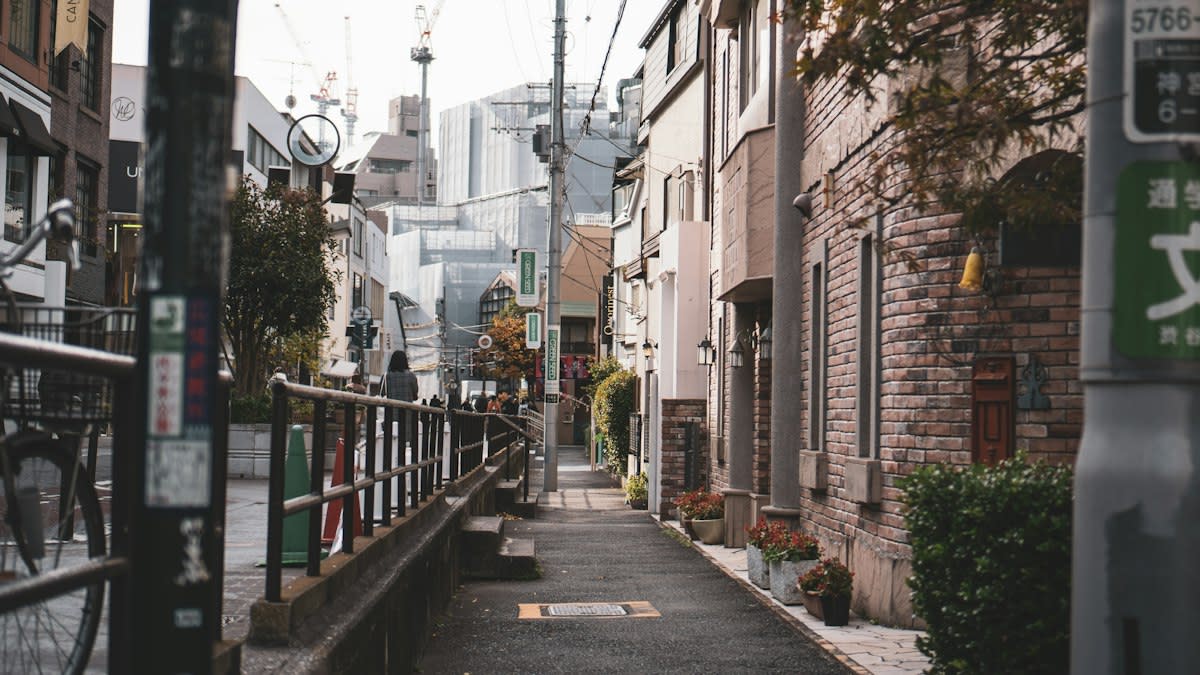
Neon lights hide the truth. Tokyo maintains a facade of efficiency and cleanliness. Shadows hide residential pockets that wither. Alleys hide crumbling walls and rusted gates. Gaps create urban voids that swallow light. Efficiency is just a mask for slow decay.
Ruins and Failure
Paperwork creates a wall of inertia. Laws regarding vacant houses attempt to tax ruins. Judges find that identifying a house as truly vacant is legally hard. Owners claim they use the home for occasional visits. Loopholes keep the tax breaks active. Regulation is outpaced by the speed of abandonment.
- Tax loopholes for residential structures
- Inheritance laws favoring heirs over utility
- Owner anonymity in property registries
- Demand drops for aging wooden frames
Numbers suggest a grim future. Vacancy rates could rise 20% by 2040 (Source: Urban Institute, 2022). Drastic reform is the only way to stop the rot. Policies are bandages on open wounds. City planners must learn to shrink or be eaten by ruins. Stability is an illusion.
Fact-Check & Accuracy Note
Data sourced from MLIT 2023 and Ministry of Health, Labour and Welfare 2023. Statistics reflect nationwide trends with high concentration in aging urban pockets.
Editorial Note
Journalist notes that the gap between official vacancy reports and actual abandoned structures is likely wider due to under-reporting by owners.