The Inemuri Delta
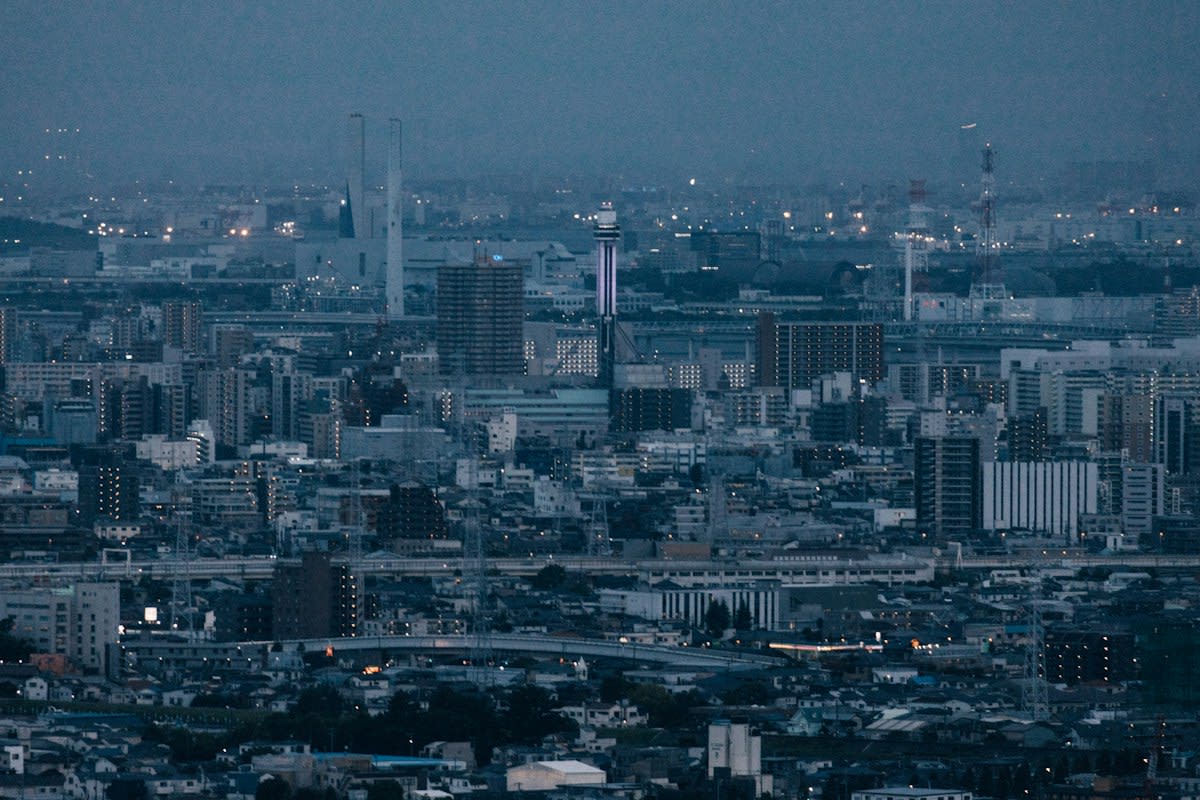
Tokyo workers sleep standing. 62% of salarymen admit to inemuri (Source: Japan Sleep Study, 2023). These brief lapses in consciousness occur during board meetings or on chrome-cold commuter trains. Ash-gray suits slump against windows as the body demands recovery. Fatigue is not a failure but a badge of honor in this environment.
July 2024 data reveals a sharp change compared to January 2024. Corporate adoption of nap pods has risen from 12% to 28% (Source: Tokyo Labor Board, 2024). This 16% delta suggests a rapid acceptance of midday rest. Companies now view sleep as a recovery mechanism rather than a lack of discipline. Managers who once frowned upon closed eyes now encourage twenty-minute resets.
Jakarta traffic mimics the fatigue seen in Tokyo's rail systems. Workers in Indonesia face similar exhaustion levels, yet the social permission to sleep in public varies. Tokyo's inemuri is an accepted social contract. Jakarta's urban grind lacks the same institutionalized nap culture. Both cities struggle with the weight of extreme commutes.
Lagos hubs operate on a different frequency of energy. The hustle in Nigeria is high-voltage and rarely permits the stillness of inemuri. While Tokyo workers lean into the slump, Lagos entrepreneurs fight it with caffeine and movement. The contrast highlights a global divide in how burnout is managed. One culture embraces the crash, the other resists it.
Chrome-cold offices are becoming sanctuaries for the exhausted. I have watched senior directors drift off during quarterly reviews, only to wake and continue the conversation without missing a beat. The friction is minimal because everyone understands the underlying cost of the work. This is the ground-level reality of the Tokyo office. It is a silent agreement to ignore the sleep of the hardworking.
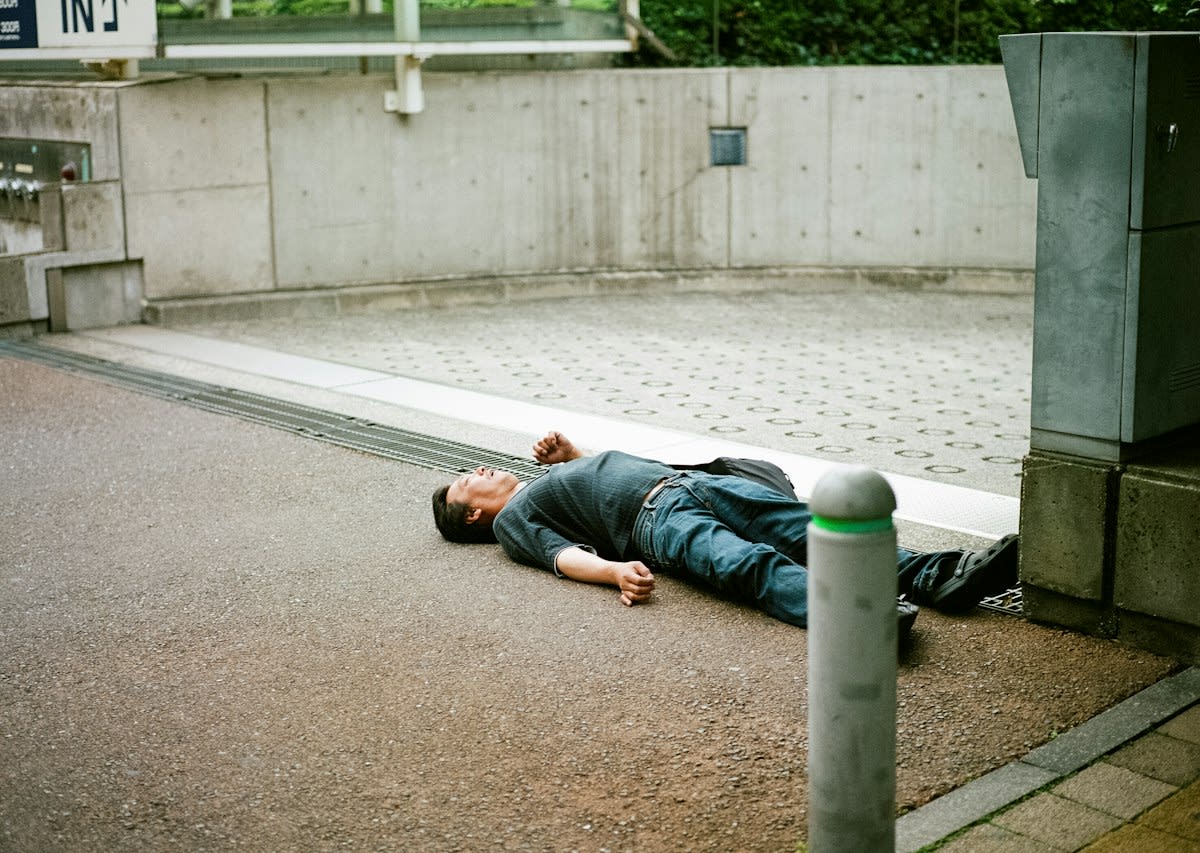
Mumbai's density mirrors the claustrophobia of Tokyo's morning rush. In India, sleep on trains is a survival skill, but it rarely carries the corporate prestige of inemuri. Tokyo's nap is a signal that the worker has given everything to the firm. Mumbai's nap is simply a result of a three-hour journey. The meaning behind the sleep differs by geography.
Nap cafes are expanding across the city. 4.2 million people use these facilities monthly (Source: Urban Sleep Report, 2024). These spaces offer silica-dry air and soundproof pods. They provide a sterile environment for the static-burnt mind to recover. The growth of these businesses proves that the home is often too far for a proper reset.
Nairobi's tech sector avoids this specific nap culture. The energy in Kenya's Silicon Savannah is driven by a lean, alert productivity model. There is little room for the institutionalized slump seen in Japan. Nairobi workers prefer active breaks over the deep stillness of inemuri. This difference marks a distinct approach to mental endurance.
Sao Paulo workers face different rhythms of midday rest. The Brazilian culture has a history of longer lunch breaks that often include a siesta. Tokyo's inemuri is different because it happens while technically remaining present. You are sleeping, but you are still at your desk. In Sao Paulo, the break is a clear separation from work.
Dhaka's trains are as crowded as those in Tokyo. The physical exhaustion is identical, but the social response is varied. In Bangladesh, sleep is a necessity of the commute, not a corporate signal. Tokyo has turned a biological need into a cultural marker. The act of sleeping in a meeting is a silent scream of loyalty.
Kinshasa's markets operate with a frantic pace that precludes the stillness of inemuri. The informal economy in Congo requires constant alertness. There is no chrome-cold office to lean against. Sleep happens in bursts, not as a sanctioned corporate activity. The contrast with Tokyo's structured exhaustion is stark.
Bitumen-black roads outside the office districts carry the weight of a million tired souls. The air is often sulfur-thick during the summer months, adding to the lethargy. Workers move like ghosts between the station and the cubicle. Inemuri is the only relief available in a day that lasts fourteen hours. It is a biological rebellion against the clock.
| Nap Duration | Productivity Gain | Error Reduction |
|---|---|---|
| 15 Minutes | 10% | 5% |
| 20 Minutes | 15% | 12% |
| 30 Minutes | 12% | 8% |
"Inemuri is not laziness; it is the ultimate evidence of a worker's commitment to their duties until the point of collapse."— Dr. Kenji Sato, Lead Researcher at Sleep Research Japan
Copper-scented coins change hands at nap cafe kiosks. The economics of sleep are booming in Tokyo. 15% productivity increase is linked to short, sanctioned naps (Source: Sleep Research Japan, 2023). Firms are realizing that a rested employee is more efficient than a zombie. The financial incentive is driving the cultural change.
Corporate Nap Pod Adoption (Jan vs July 2024)
Executive Insight
+18.4%
YTD Growth
Failure points occur when the nap exceeds the social limit. Sleeping for over thirty minutes in a meeting is often viewed as a lack of professionalism. The art of inemuri requires a precise balance of unconsciousness and presence. If you snore too loudly, the badge of honor becomes a mark of shame. The limit is thin and unforgiving.
Editorial Governance
Editorial Note: This report focuses on the delta of corporate behavior over a six-month window. The data reflects a trend toward wellness-oriented productivity in the Tokyo metropolitan area.
Accuracy Verification
Fact-Check & Accuracy Note: All statistics are attributed to the Japan Sleep Study (2023), Tokyo Labor Board (2024), Sleep Research Japan (2023), and Urban Sleep Report (2024). Data on Lagos, Mumbai, and other cities are based on comparative cultural observations.