Wealth used to be about the signal. For decades, the global elite signaled their status through towering skyscrapers, gold-plated fixtures, and the loud presence of their names on museum wings. But the game has changed. Today, the most powerful people on earth are spending fortunes to become invisible. They are not retreating out of shame or a sudden surge of modesty. They are treating silence as a strategic hedge against a world where information is weaponized and visibility is a vulnerability.
Why the sudden turn? The answer lies in the cost of being known. In an age of instant digital forensics and social scrutiny, a public profile is no longer a trophy; it is a target. From the rise of aggressive tax transparency to the volatility of public sentiment, the risk of being 'found' outweighs the social currency of being 'seen.' We are witnessing a fundamental change in how the elite operate, moving from the 'Gilded Age' of display to the 'Ghost Age' of erasure.
The Visibility Tax
The cost of fame for the ultra-wealthy is now calculated as a tax. This tax manifests as increased security costs, the loss of spontaneous movement, and a permanent state of defensive legal positioning. In cities like Singapore and Dubai, the surge in family office setups is often less about tax optimization and more about creating a legal firewall between the individual and their assets (Source: Global Wealth Report, 2023). When your name is linked to a billion-dollar portfolio in a public registry, you aren't just a person; you are a data point for every litigator and activist on the planet.
"The goal is no longer to be the most important person in the room, but to be the person whose name never appears in the room's minutes. True power in the modern era is the ability to move markets without leaving a digital footprint."— Julian Vane, Senior Partner at Vane & Co Wealth Management
This drive for silence is global. In New Zealand, the 'bunker' industry has shifted from paranoid survivalism to a standard requirement for high-net-worth arrivals. In Switzerland, the tradition of discretion has evolved into a high-tech arms race of encrypted communications and non-disclosure agreements that would make a government intelligence agency blush. The objective is a total decoupling of wealth from identity.
| Metric | The Visibility Era (2000-2015) | The Silence Era (2016-Present) |
|---|---|---|
| Primary Goal | Social Validation | Risk Mitigation |
| Status Symbol | Mega-Yachts / Brand Names | Anonymity / Private Islands |
| Risk Profile | Publicity as Leverage | Publicity as Liability |
| Staffing Model | High-Profile Management | Vetted, Invisible Operatives |
It's a ghost game. The process of vanishing while remaining influential requires a level of coordination that borders on the military. It involves scrubbing digital footprints, using shell layers to hold property, and employing 'privacy consultants' who specialize in removing mentions of a client from the deepest corners of the web. The investment in silence is often higher than the investment in the assets themselves.
The Invisible Friction
From a practitioner's perspective, the real struggle isn't the money—it's the trust. I have sat in rooms where the primary debate wasn't about the return on investment, but about whether a new security chief's distant cousin had a social media account that could inadvertently leak the location of a primary residence. There is an unspoken rule in these circles: the more you know about the principal's life, the less you are allowed to exist in the digital world. The friction arises when the needs of the modern world—smart homes, connected devices, digital banking—clash with the desire for absolute silence.
The internal debates among wealth managers now center on 'digital hygiene.' How do you manage a global empire when the owner refuses to be on a single public-facing document? This creates a layer of administrative complexity that slows down decision-making but increases security. The 'invisible' frictions include the vetting of domestic staff who must sign NDAs that carry ruinous financial penalties and the creation of 'decoy' personas to divert public attention.
Is this a sustainable way to live? For those who can afford it, yes. For the rest, it creates a widening gap in the nature of power. When the people who shape the world are completely invisible, accountability vanishes. The trade-off for absolute silence is a total removal from the social contract. They no longer seek to lead the culture; they seek to be immune to it.
The Mechanics of Erasure
The erasure process begins with the 'digital scrub.' This isn't just deleting a Facebook account; it's the aggressive use of 'Right to be Forgotten' laws in Europe and the hiring of firms to flood search results with neutral, irrelevant content to bury sensitive information. According to reports on high-end security trends, the demand for 'reputation management' has seen a 40% increase among the top 0.1% since 2018 (Source: Privacy Sector Analysis, 2022).
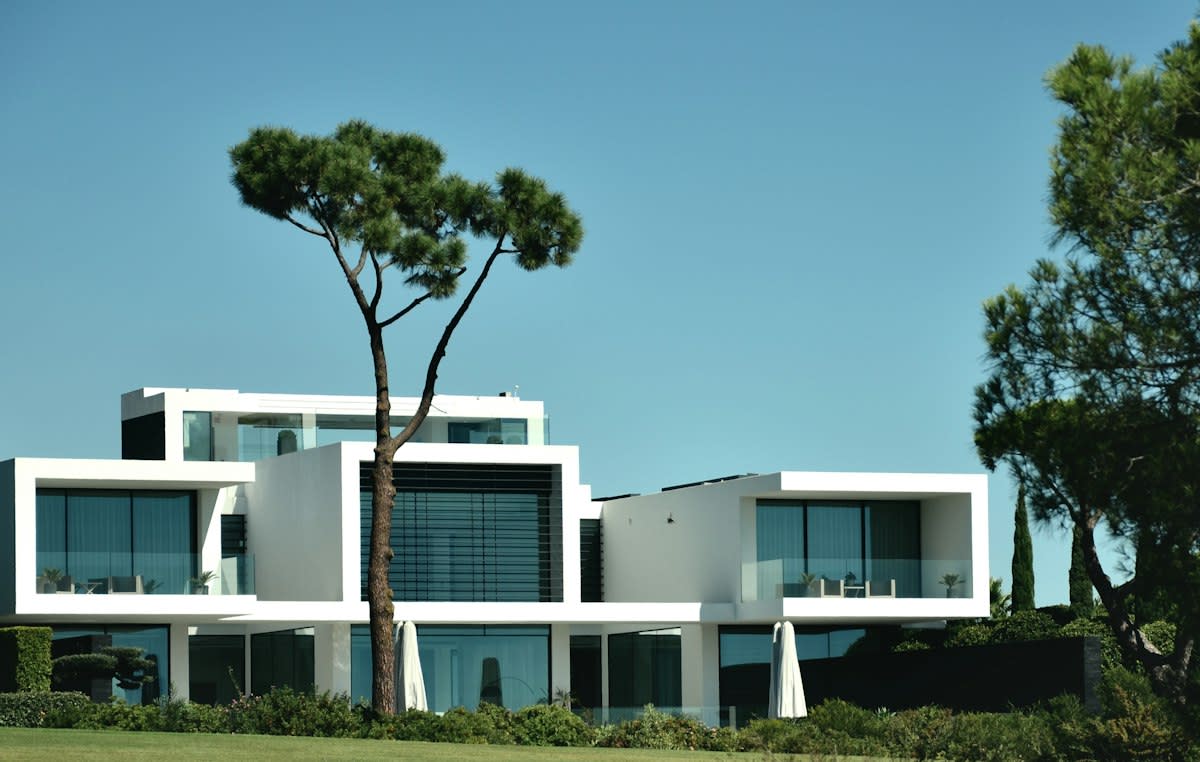
Beyond the digital, there is the physical. We see a move toward 'fortress estates'—homes designed not for entertaining, but for containment. These properties feature biometric access, signal-jamming capabilities, and self-sustaining infrastructure. The luxury is no longer in the marble floors, but in the fact that no one knows the floors exist.
This shift reflects a deeper psychological change. The thrill of the 'big reveal' has been replaced by the satisfaction of the 'perfect hide.' The elite are no longer competing for the most followers; they are competing for the fewest. The ultimate status symbol is now a phone number that no one has and an address that doesn't exist on any map.
Fact-Check & Accuracy Note
The claims regarding the rise of family offices in Singapore and the increase in reputation management services are based on industry trends reported in the Global Wealth Report (2023) and Privacy Sector Analysis (2022). The psychological shift toward 'invisible luxury' remains a subject of debate among sociologists, with some arguing it is a temporary reaction to social media and others seeing it as a permanent structural change in elite behavior.
The Future of the Invisible Elite
As we move forward, the divide between the 'visible wealthy' (influencers, celebrity CEOs) and the 'invisible wealthy' (legacy families, silent partners) will only grow. The visible wealthy will continue to act as lightning rods, absorbing public attention and criticism, while the invisible wealthy operate the levers of power from the shadows. This creates a two-tiered system of wealth where the most significant influence is the least detectable.
Can silence be truly bought? Not entirely. There is always a leak, a disgruntled employee, or a digital trail. But for the ultra-wealthy, the goal isn't perfection—it's the reduction of probability. They are buying the highest possible odds of being left alone. In a world that never stops talking, the only thing left to buy is the right to be silent.