World Athletics VP Adille Sumariwalla at Idea Exchange: ‘National records are being broken again and again. This shows we have bench strength’
Source Entity
The Indian Express
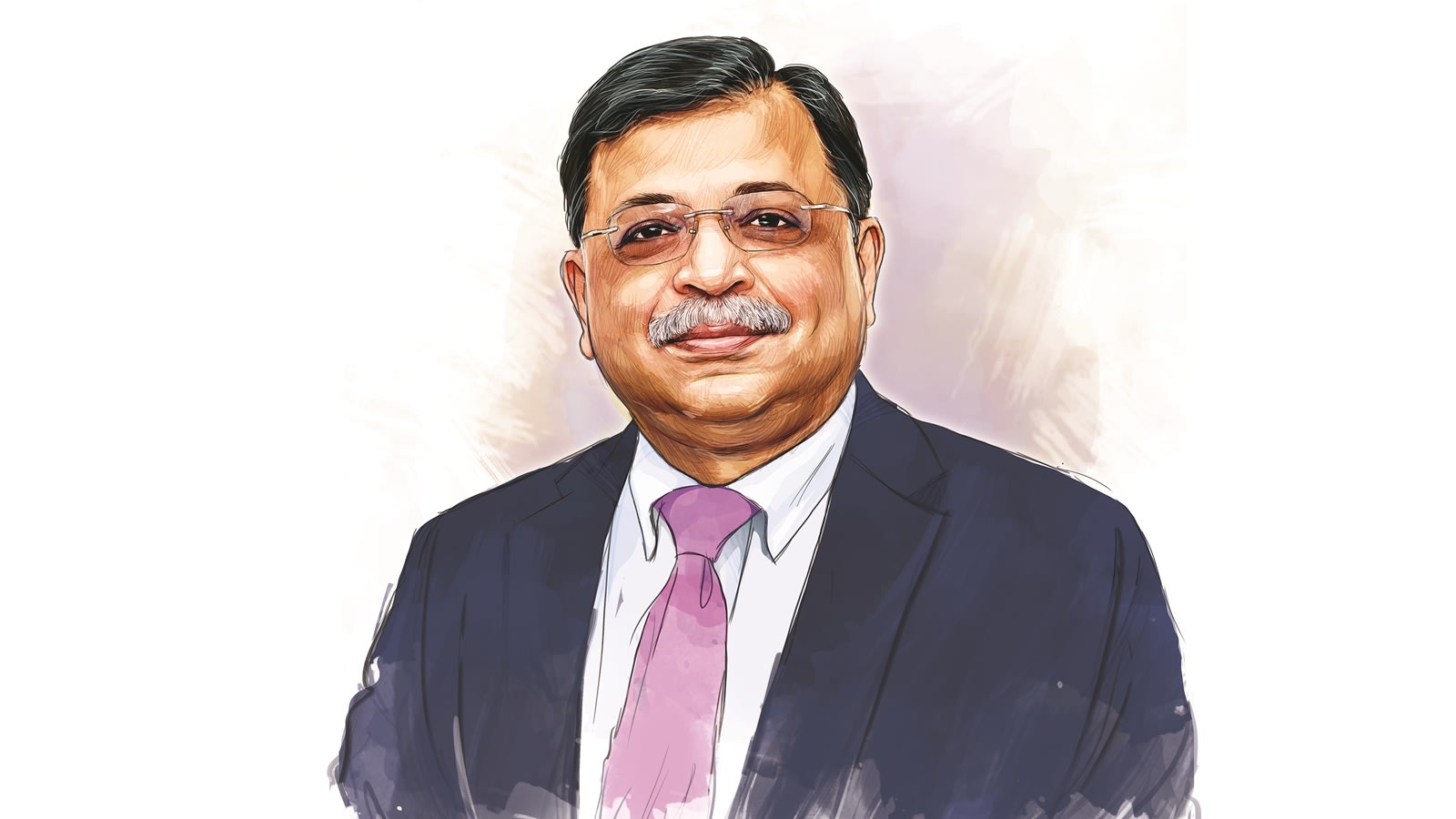
Olympian and World Athletics Vice-President Adille Sumariwalla on preparing Indian athletes for the upcoming Asian Games, navigating the country’s doping crisis and the debate about who makes a good s...
Strengthening the Foundation: An Analysis of India's Athletic Trajectory
In a recent appearance at the Idea Exchange, Adille Sumariwalla, a former Olympian and the current Vice-President of World Athletics, provided a critical assessment of the state of track and field in India. His primary observation—that national records are being broken with increasing frequency—serves as a key indicator of what he terms "bench strength." This suggests that India is moving away from a reliance on isolated, generational talents and is instead developing a sustainable ecosystem of high-performing athletes across various disciplines.
The Significance of 'Bench Strength' and Record-Breaking
When a country sees a surge in national records being shattered, it typically indicates an improvement in the baseline of athletic performance. Sumariwalla's emphasis on "bench strength" implies that the gap between the top-tier athletes and the secondary tier is narrowing. This depth is crucial because it fosters internal competition, pushing the elite athletes to perform even better to maintain their standing. Historically, Indian athletics has struggled with a lack of depth, where a single gold medalist might be an outlier. The current trend suggests that improved access to sports science, better coaching methodologies, and increased funding are beginning to yield systemic results rather than sporadic successes.
Strategic Roadmap for the Asian Games
Sumariwalla's discussion on preparing athletes for the upcoming Asian Games highlights the strategic importance of these games as a stepping stone to the Olympics. For Indian athletes, the Asian Games represent the primary benchmark for regional dominance and a critical testing ground for mental fortitude under pressure. The preparation process involves more than just physical training; it requires a holistic approach encompassing nutrition, psychological conditioning, and exposure to international competition. By focusing on these elements, India aims to transition from being mere participants to consistent medal contenders on the continental stage.
Addressing the Doping Crisis and Integrity
One of the most pressing issues addressed by Sumariwalla is the doping crisis currently affecting Indian sports. The integrity of athletic achievement is predicated on a level playing field, and the rise in doping cases threatens to undermine the legitimacy of the national records being broken. Sumariwalla's acknowledgement of this crisis suggests a need for more rigorous education and stricter enforcement of anti-doping protocols. The challenge lies in balancing the drive for quick results with the long-term health of the athlete and the reputation of the nation within the World Athletics framework. Implementing more robust testing and awareness programs is essential to ensure that India's growth is organic and sustainable.
The Debate Over Athlete Selection and Meritocracy
Beyond physical performance, Sumariwalla touched upon the contentious debate regarding athlete selection—specifically, the criteria used to determine who "makes a good athlete." This often involves a conflict between strict qualification norms and the subjective assessment of an athlete's potential and consistency. The debate highlights a systemic tension in Indian sports administration between adhering to rigid bureaucratic rules and adopting a more flexible, performance-oriented approach. Sumariwalla's insights suggest that for India to excel, the selection process must be transparent, merit-based, and focused on those most likely to perform on the global stage.
Conclusion: The Path Toward Global Competitiveness
In summary, Adille Sumariwalla's analysis paints a picture of an athletic landscape in transition. While the breaking of national records provides a hopeful sign of increasing depth and capability, the shadows of the doping crisis and selection disputes remain significant hurdles. The future of Indian athletics will likely depend on whether the country can synchronize its rising talent pool with world-class governance and ethical standards. If India can successfully navigate these administrative and integrity challenges, the "bench strength" Sumariwalla identifies could very well translate into a permanent and powerful presence in global athletics.