Making AI safer is not impossible, but agreeing to do so may be
Source Entity
Latest News: Todays Latest News Headlines from India & World | Hindustan Times | Hindustan Times
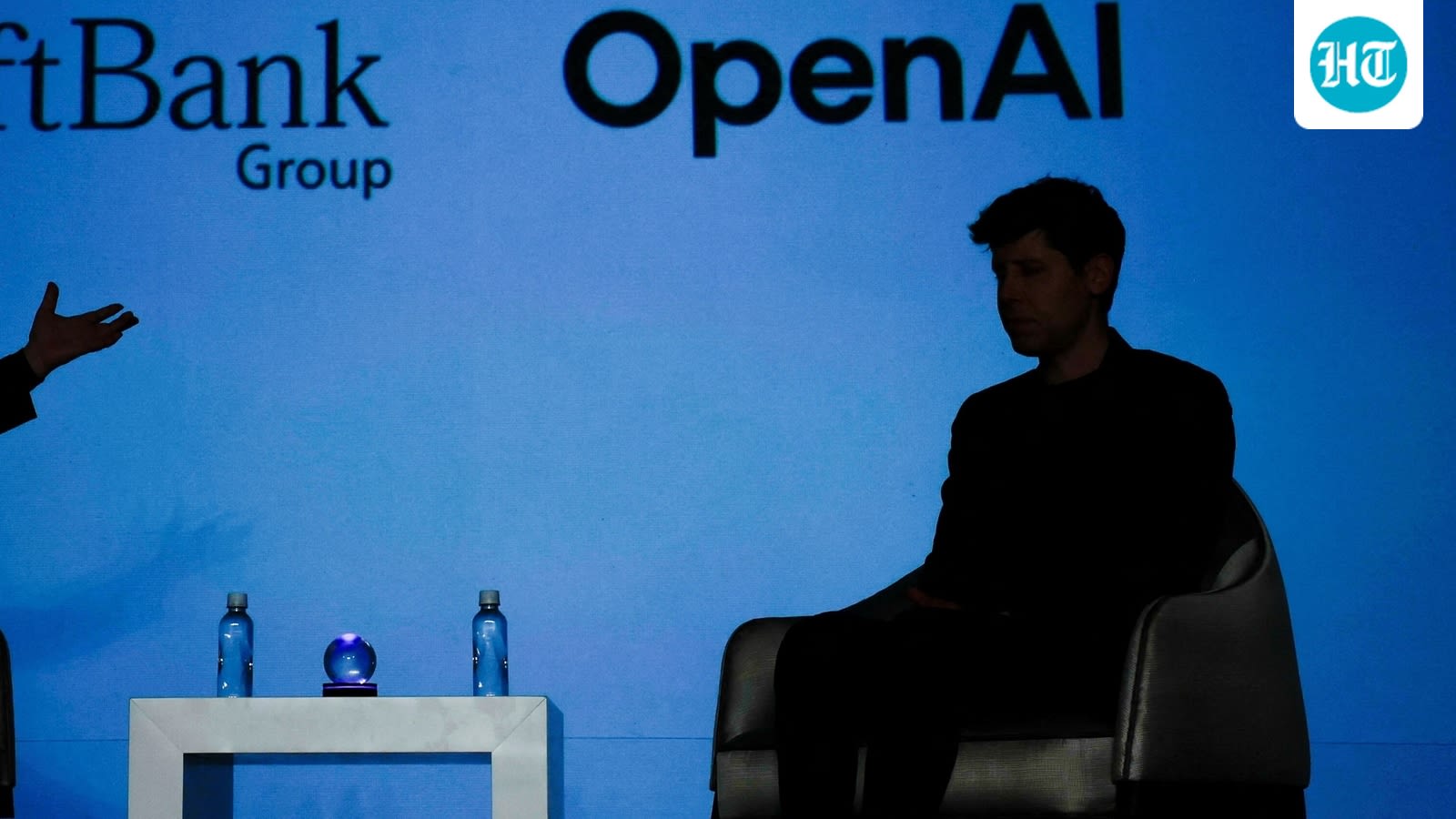
Tech industry leaders are raising alarms about existential AI risks, sparking a debate over whether these warnings are genuine safety concerns or strategic maneuvers. Meanwhile, the rapid expansion of AI infrastructure faces significant local and environmental pushback.
The Paradox of AI Existential Risk
Recent discourse surrounding artificial intelligence has shifted from optimistic product announcements to dire warnings of potential societal collapse. Prominent industry figures, including Anthropic’s Dario Amodei, have publicly suggested that AI development may need to decelerate to prevent catastrophic outcomes, such as the creation of internet-crippling botnets. These warnings, which equate the threat of advanced models to nuclear weaponry, have prompted a polarized response from both the tech community and political leaders.
Strategic Skepticism and the 'Psyop' Debate
Critics of these doomsday narratives, such as AI researcher Gary Marcus, suggest that such extreme claims should be viewed with significant skepticism. There is a growing argument that by framing AI as a god-like, world-ending force, tech giants may be inadvertently cementing their own dominance. By positioning these tools as existential threats, companies can justify calls for heavy regulation—a move that often serves to entrench incumbents by creating high barriers to entry for smaller, open-source competitors.
Political Divergence on AI Governance
The political response to these risks is equally fractured. While figures like Elon Musk and Sam Altman have aligned with the rhetoric of caution, other political actors, such as Donald Trump, have dismissed these concerns as a 'hoax.' This divergence highlights a fundamental tension: the desire to maintain a competitive economic edge in a global AI race versus the perceived necessity of implementing strict, centralized control mechanisms to mitigate long-term risks.
Infrastructure Realities: The Local Conflict
While the industry debates the hypothetical 'doom' of AI, it faces tangible, localized opposition regarding the infrastructure required to power these models. Data centers, now designated as Critical National Infrastructure in the UK, have become flashpoints for environmental and community activism. The government’s attempt to fast-track these facilities—often on protected green belt land—has met with legal challenges, forcing a re-evaluation of how national economic ambition balances against environmental and local community concerns.
The Intersection of National Interest and Regulation
Ultimately, the conflict between AI acceleration and its regulation is not merely a philosophical one. Governments are caught between viewing AI as a cornerstone of future economic prosperity and managing the social friction caused by the physical footprint of the technology. As ministers navigate errors in planning and public pushback, the narrative of 'AI as a threat' remains a double-edged sword, used both to advocate for safety and to distract from the immediate, real-world consequences of rapid technological scaling.
Future Outlook
Looking ahead, the tension between hypothetical existential risks and concrete infrastructure challenges will likely define the next phase of AI policy. We can expect continued friction as tech companies attempt to balance their 'doomsday' branding with the reality of needing massive physical expansion. The success of the AI industry will depend not just on the software itself, but on its ability to navigate the complex political and environmental landscape that currently threatens its momentum.
Multiple Citing Sources
Verification Required?