Burnout, frustration and heartbreak: Amazon layoffs take their toll in saturated job market
Source Entity
US Top News and Analysis
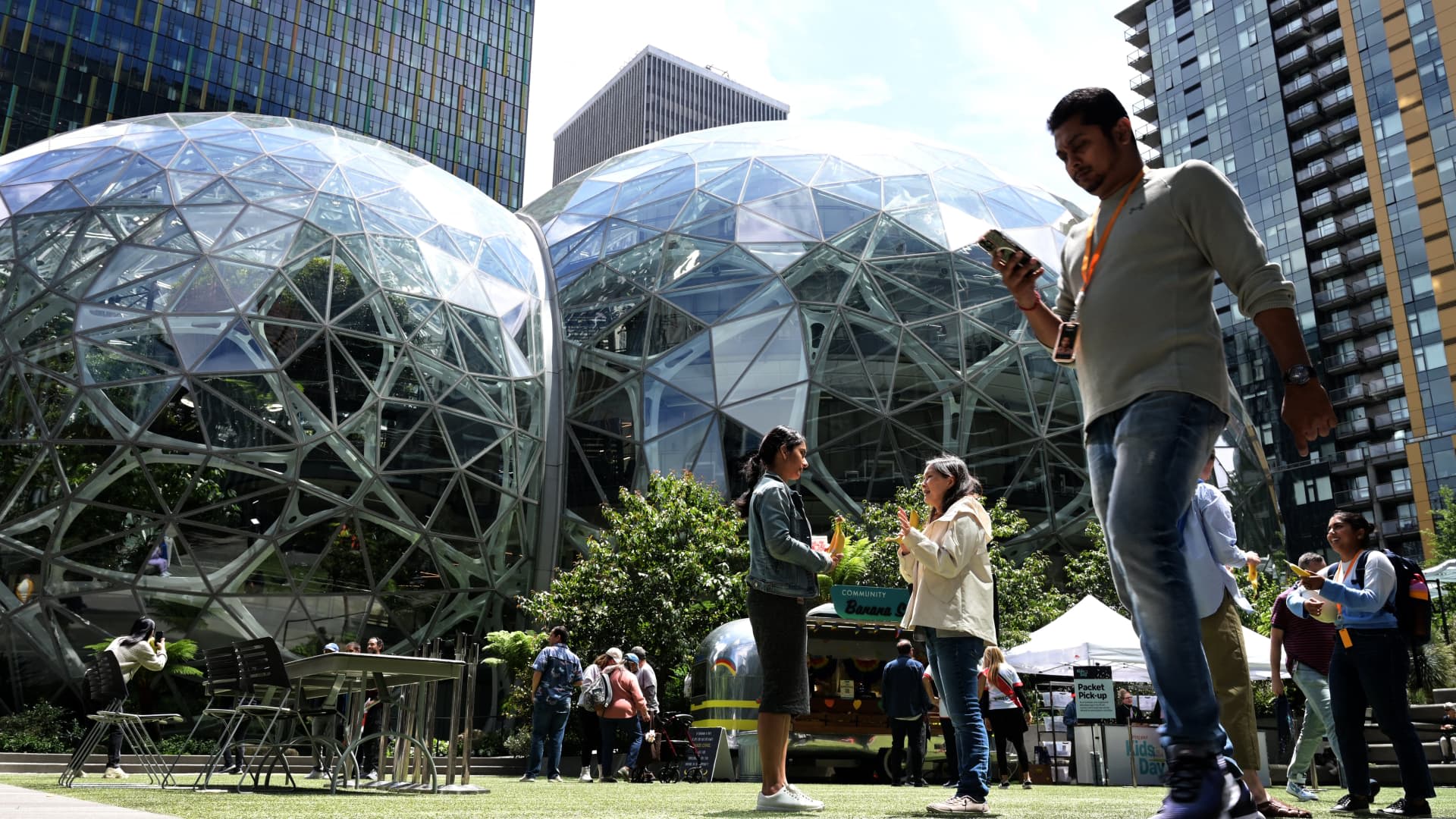
In the eight-plus months since Amazon announced its most expansive job cuts ever, laid off workers have been thrust into an increasingly saturated labor market.
The Human Cost of Corporate Restructuring: Analyzing Amazon's Mass Layoffs
Amazon's decision to implement its most expansive job cuts in company history has sent shockwaves through the professional landscape, extending far beyond mere balance sheets. While corporate narratives often frame layoffs as "strategic realignments" or "efficiency drives," the reality for the displaced workforce is a harrowing journey through a labor market that has become increasingly hostile. The intersection of massive corporate downsizing and a saturated job market has created a perfect storm of professional instability and personal crisis for thousands of former employees.
The Paradox of the Saturated Labor Market
To understand why Amazon's former employees are struggling, one must look at the broader historical context of the tech industry's growth. During the COVID-19 pandemic, Amazon and its peers engaged in an unprecedented hiring spree to meet the surge in e-commerce and cloud computing demand. This "hyper-growth" phase created an artificial inflation of available roles. As the economy normalized and interest rates rose, the industry shifted from a growth-at-all-costs mindset to one of austerity. Consequently, the current market is not just saturated with candidates; it is saturated with highly qualified candidates from the world's top firms, driving down bargaining power and increasing the competitiveness of every open role.
The Psychological Toll: Burnout and Identity Loss
Beyond the financial strain, the reports of "burnout, frustration, and heartbreak" highlight a deep psychological crisis. For many, employment at a "Big Tech" giant like Amazon is more than a paycheck; it is a core component of their professional identity. The sudden loss of this status, coupled with the grueling process of applying for hundreds of jobs with little to no feedback, leads to a state of chronic stress. This burnout is compounded by the "survivor's guilt" of those remaining and the systemic frustration of workers who feel they played by the rules of corporate loyalty only to be discarded during a market correction.
Structural Barriers in Modern Recruitment
The difficulty in finding new employment is further exacerbated by the evolution of recruitment technologies. The rise of AI-driven Applicant Tracking Systems (ATS) means that even seasoned Amazon veterans are often filtered out before a human recruiter ever sees their resume. In a saturated market, companies can afford to be hyper-selective, often implementing more rigorous and lengthy interview processes. This creates a grueling cycle for the unemployed: the more time they spend in the "job hunt loop," the more their mental health deteriorates, which in turn can negatively impact their performance in the few interviews they do secure.
Broader Economic Implications for the Tech Sector
This event serves as a cautionary tale regarding the volatility of the modern tech ecosystem. When a company of Amazon's scale sheds workers, it doesn't just affect the individuals; it affects the entire talent pipeline. We are seeing a shift where the "prestige" of having a Big Tech name on a resume is no longer a guaranteed ticket to the next role. This may eventually lead to a diversification of the workforce as talent is forced into smaller startups or different industries entirely, potentially sparking a new wave of entrepreneurship born out of necessity rather than choice.
Future Trends and the Path to Recovery
Looking forward, the recovery for these displaced workers will likely depend on the industry's pivot toward specialized Artificial Intelligence (AI) and machine learning roles. Those who can successfully pivot their skill sets to align with the current AI boom may find relief, but those in generalist corporate or operational roles face a longer road to stability. The long-term trend suggests a move toward more sustainable hiring practices, where companies prioritize lean, efficient growth over the boom-and-bust cycles seen in the early 2020s.
Conclusion
In summary, the aftermath of Amazon's mass layoffs reveals a systemic failure to balance corporate agility with human sustainability. The transition from a period of hyper-employment to a saturated market has left a trail of emotional and professional devastation. Until the labor market stabilizes or the industry finds a more equitable way to manage workforce fluctuations, the burnout and frustration experienced by these workers will remain a poignant reminder of the precarious nature of employment in the digital age.