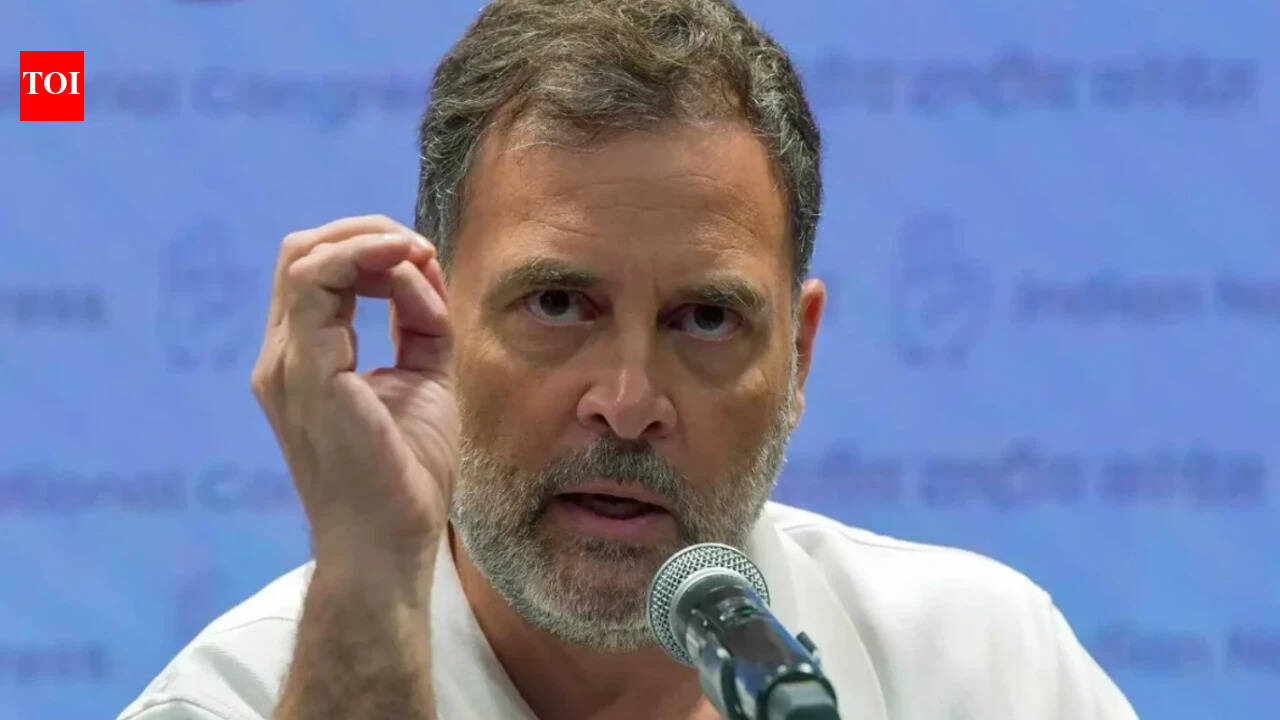
'Have a spine, don't lie down in front of Trump': Rahul flays PM Modi over 'UPI tax'
Source Entity
SUBHADRA SRIVASTAVA
The NPCI has introduced a 0.4% Merchant Discount Rate (MDR) for UPI transactions over ₹2,000 starting October 15, 2026. While the government maintains this will not impact consumers, industry figures like Ashneer Grover argue it effectively functions as a tax that will eventually be passed down to the end user.
The Shift in UPI Economics: Understanding the New MDR Policy
The National Payments Corporation of India (NPCI) has officially announced the implementation of a Merchant Discount Rate (MDR) on specific Unified Payments Interface (UPI) transactions, effective October 15, 2026. This policy introduces a 0.4% charge on transactions exceeding ₹2,000, capped at ₹300, alongside a flat ₹5 fee for specific categories like utility bills, fuel, and insurance premiums. This development marks a significant transition in the Indian digital payment landscape, which has historically relied on a zero-MDR model to accelerate mass adoption.
Ashneer Grover’s Critique and the 'Tax' Argument
Former BharatPe co-founder Ashneer Grover has emerged as a vocal critic of this regulatory shift. During a recent interview, Grover challenged the official stance that the new charges would be absorbed by merchants without affecting the consumer. His central argument is that any levy imposed on the merchant side of a digital transaction is, in essence, a tax on the ecosystem. By labeling it a 'tax,' Grover highlights the economic reality that businesses—particularly smaller retailers—often pass operational costs onto their customers through price adjustments.
What Remains Free vs. What is Taxed
To ensure clarity for the public, it is essential to distinguish between the various transaction types. The NPCI has confirmed that peer-to-peer (P2P) transfers, such as sending money to friends or family, remain completely free of charge regardless of the amount. Similarly, auto-debits and UPI mandates are exempt from these new MDR charges. The new fee structure specifically targets business-to-consumer (B2C) transactions, effectively segmenting personal usage from commercial activity.
The Government vs. Industry Perspective
While the government maintains that the impact on merchants will be minimal and that consumers will be shielded from direct costs, the disparity in perspective is striking. The government views this as a necessary step for the sustainability of payment infrastructure and banks, whereas industry observers and skeptics point toward the potential for 'hidden' inflation. The debate centers on whether the digital payment ecosystem has finally reached a maturity level where it can sustain transaction fees without stifling the growth of digital financial inclusion.
Broader Economic Implications
This policy change signals a broader trend in the maturation of India's fintech sector. For years, the 'free' nature of UPI was the primary engine for its explosive growth. By introducing MDR, the NPCI is acknowledging the need to incentivize banks and payment processors who facilitate these massive transaction volumes. However, the success of this policy will be measured by how merchants—ranging from small kirana stores to large online platforms—adjust their pricing strategies in the coming months.
Conclusion
As the October 15 deadline approaches, the discourse surrounding the UPI MDR will likely intensify. While the government aims to balance infrastructure sustainability with consumer protection, the skepticism voiced by experts like Grover underscores the complexity of implementing fees in a previously free market. Whether this move proves to be a friction point for digital adoption or a necessary evolution for the financial sector remains to be seen.
Multiple Citing Sources