Slashed perks among factors affecting mental health of Assam’s tea garden executives
Source Entity
India Latest News: Top National Headlines Today & Breaking News | The Hindu
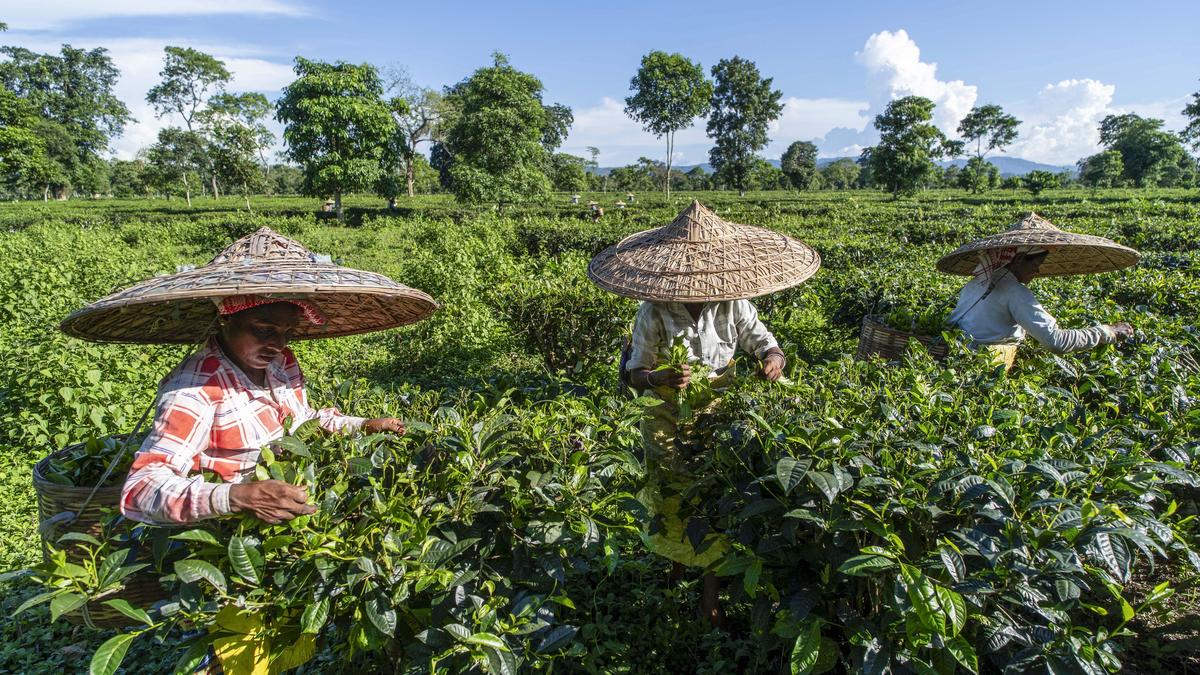
A new study has identified restricted decision latitude, referring to a severe lack of control, autonomy, and flexibility, as the most frequently occurring category of workplace stress risk factors
The Psychological Toll of Management in Assam's Tea Sector
A recent study has cast a spotlight on a critical yet often overlooked dimension of the tea industry in Assam: the mental health of its executive workforce. While much of the public discourse surrounding tea gardens focuses on the labor conditions of the pluckers, this research reveals that the management tier is also grappling with severe workplace stress. The study identifies a potent combination of slashed perks and a restrictive professional environment as primary catalysts for mental health deterioration, suggesting that the pressure of maintaining productivity in a volatile commodity market is taking a significant psychological toll on those at the helm.
The Crisis of Restricted Decision Latitude
At the core of the study's findings is the concept of "restricted decision latitude." This term refers to a workplace environment where employees—even those in executive roles—possess very little autonomy, control, or flexibility regarding how they perform their duties or make operational decisions. In the context of Assam's tea gardens, this often manifests as a rigid, top-down command structure where executives are held accountable for high-level outcomes but are denied the agency to implement the changes necessary to achieve them. This gap between responsibility and authority is a well-documented precursor to chronic stress and burnout, as it creates a sense of helplessness and frustration that can lead to anxiety and depressive disorders.
The Symbolic and Material Impact of Slashed Perks
Beyond the structural issues of autonomy, the study highlights the reduction of executive perks as a significant stressor. In traditional industries like tea production, perks—ranging from housing and transport to specific allowances—are not merely financial benefits; they are symbolic markers of status, stability, and professional recognition. When these perks are slashed, often as a result of corporate cost-cutting measures or declining tea prices globally, executives experience more than just a loss of income. They experience a loss of social standing and a perceived devaluation of their contribution to the organization. This perceived instability can trigger a state of constant hyper-vigilance and insecurity, further eroding their mental resilience.
Historical Context and the Evolution of the 'Planter' Culture
To understand this phenomenon, one must look at the historical evolution of the tea industry in Assam. The industry was built on a colonial-era management model—the "Planter" system—which emphasized a high degree of local autonomy for the manager on the ground. However, as the industry has transitioned toward corporate ownership and centralized management, that traditional autonomy has been stripped away. Modern executives now find themselves squeezed between the legacy expectations of the garden workforce and the stringent, data-driven demands of distant corporate headquarters. This cultural shift has created a professional vacuum where the executive is no longer a local leader but a middle-manager under intense scrutiny, leading to the psychological strain identified in the study.
Broader Implications for Industry Productivity
The mental health of executives has a direct ripple effect on the entire ecosystem of the tea garden. A manager suffering from burnout or chronic stress is less likely to exhibit empathy, effective leadership, or strategic thinking, which can degrade the working conditions of the laborers under their supervision. Furthermore, if the executive tier becomes a site of high turnover and mental instability, the institutional knowledge required to maintain the delicate balance of tea cultivation and processing is lost. The study suggests that ignoring the psychosocial risks at the management level could lead to systemic operational failures, ultimately affecting the quality and yield of Assam's tea exports.
Future Trends: Toward Psychosocial Risk Management
Looking forward, this study signals a necessary shift toward "Psychosocial Risk Management" (PRM) within the agricultural and plantation sectors. It is likely that we will see a demand for more flexible management structures that restore a degree of decision latitude to garden executives. Companies may need to implement mental health support systems, such as employee assistance programs (EAPs) and stress-management training, to prevent executive burnout. As the industry faces challenges from climate change and fluctuating global demand, the ability of executives to remain mentally resilient will be a key competitive advantage for tea estates.
Summary
The findings underscore a critical intersection between corporate governance and mental health. By identifying restricted decision latitude and the loss of professional incentives as key stressors, the study calls for a fundamental re-evaluation of how tea garden executives are managed. Transitioning from a rigid, restrictive hierarchy to a more autonomous and supportive professional environment is not just a matter of employee wellness, but a necessity for the long-term sustainability of Assam's tea industry.
Verification Required?