Burning lemon peels and cloves: The surprising benefits explained
Source Entity
TOI LIFESTYLE DESK
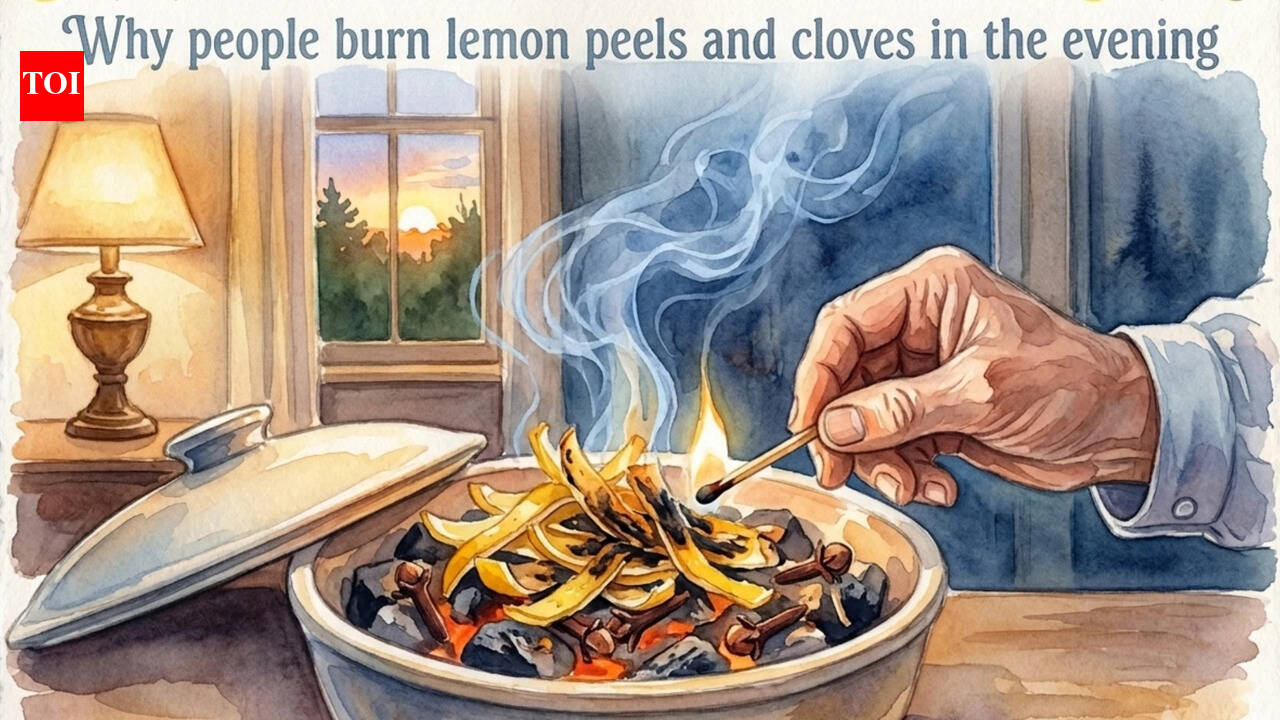
For centuries, the practice of burning lemon peels and cloves has provided households with protection from sickness while effectively concealing unpleasant odors. Cloves, rich in eugenol, boast antimicrobial and insect-repellent properties, while the delightful citrus scent from lemon peel oil contains d-limonene, known for its calming effects. However, those with respiratory issues should approach this tradition with caution due to the smoke's potential impact.
The Synergy of Nature: Analyzing the Practice of Burning Lemon Peels and Cloves
For generations, households have turned to botanical remedies to maintain the sanctity and health of their living spaces. The practice of burning lemon peels and cloves is a prime example of traditional home alchemy, combining aromatic properties with functional biological benefits. This method serves a dual purpose: acting as a natural air purifier to mask unpleasant odors and providing a perceived layer of protection against environmental pathogens. By leveraging the volatile organic compounds found in these two common kitchen staples, practitioners create an atmospheric treatment that appeals to both the olfactory senses and the need for a hygienic environment.
The Chemical Potency of Cloves and Eugenol
At the heart of the clove's effectiveness is a powerful compound known as eugenol. Eugenol is a phenylpropene that possesses significant antimicrobial and analgesic properties. When cloves are burned, the heat facilitates the release of these compounds into the air. Historically, eugenol has been utilized in dentistry and traditional medicine for its ability to inhibit the growth of various bacteria and fungi. In the context of home wellness, the release of eugenol acts as a natural deterrent for insects and may help in reducing the presence of airborne microbes, which explains the traditional belief that this practice protects the household from sickness.
Citrus Aromatherapy and the Role of d-limonene
Complementing the medicinal properties of cloves is the refreshing essence of lemon peels. The primary active component here is d-limonene, a terpene that gives citrus fruits their characteristic scent. Beyond its ability to effectively neutralize and conceal malodors, d-limonene is widely recognized in aromatherapy for its anxiolytic effects. The inhalation of citrus-scented oils is known to stimulate the production of serotonin and dopamine, contributing to a calming effect on the nervous system. This chemical interaction transforms the act of burning peels from a simple cleaning chore into a holistic sensory experience that promotes mental well-being.
Historical Context and the Evolution of Home Hygiene
Before the advent of synthetic air fresheners and chemical pest controllers, the burning of aromatic resins, peels, and spices was the primary method for managing indoor air quality. This practice reflects a historical understanding of 'miasma'—the old medical theory that diseases were caused by 'bad air.' While modern science has replaced miasma theory with germ theory, the practical application of using antimicrobial botanicals like cloves remains relevant. This tradition represents a bridge between ancient folk wisdom and modern chemistry, emphasizing a time when human health was intimately tied to the seasonal and available resources of the natural world.
Critical Health Considerations and Respiratory Risks
Despite the natural origins of these ingredients, the process of combustion introduces a critical variable: smoke. The provided text correctly warns that individuals with respiratory issues must approach this practice with caution. Combustion produces particulate matter and carbon monoxide, which can act as triggers for those suffering from asthma, chronic obstructive pulmonary disease (COPD), or hyper-reactive airway disease. Even if the scent is pleasant, the physical irritation caused by smoke can lead to bronchospasms or increased mucus production. Therefore, the benefit of the antimicrobial eugenol must be weighed against the potential for respiratory distress in vulnerable populations.
Future Trends in Natural Home Wellness
Looking forward, we are seeing a global resurgence in 'clean living' trends, where consumers are pivoting away from phthalates and synthetic fragrances found in commercial aerosols. The renewed interest in burning lemon peels and cloves suggests a broader movement toward organic, biodegradable, and non-toxic alternatives for home maintenance. As society becomes more conscious of the endocrine-disrupting chemicals present in modern scents, we can expect a growth in the adoption of these traditional methods, likely augmented by modern diffusion technology (such as essential oil diffusers) that provides the benefits of eugenol and d-limonene without the risks associated with smoke inhalation.
Summary
In conclusion, the burning of lemon peels and cloves is a sophisticated traditional practice rooted in the chemical properties of eugenol and d-limonene. While it offers tangible benefits in terms of odor control, insect repulsion, and psychological calming, it is not without risk. The necessity of caution for respiratory patients highlights the importance of balancing traditional wisdom with clinical safety. As the world moves toward more sustainable and natural living, such practices offer a viable, eco-friendly alternative to synthetic chemicals, provided they are used mindfully.