Bharat Tex 2026| Delhi's textile troves: From mending old clothes to meeting master craftsperson, here's where to head
Source Entity
Latest News: Today's Latest News Headlines from India & World | Hindustan Times | Hindustan Times
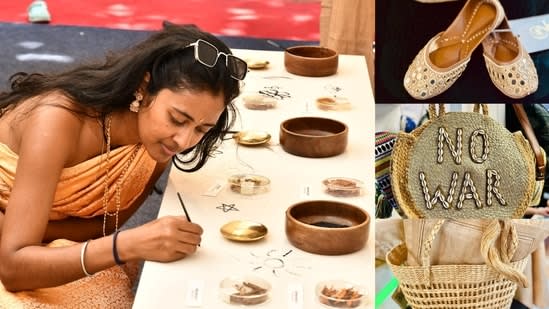
At Weave The Future 4.0 and Indie Haat 2026, visitors can shop for homegrown crafts, meet master artisans, and learn skills such as mending. Read on for details
Bharat Tex 2026: A Convergence of Tradition and Modernity in Delhi
Bharat Tex 2026 stands as a pivotal event in India's textile landscape, positioning Delhi as the epicenter for both industrial scale and artisanal intimacy. By integrating large-scale exhibitions with niche experiences like Weave The Future 4.0 and Indie Haat 2026, the event aims to showcase the full spectrum of the textile value chain. This convergence is not merely a commercial venture but a strategic effort to elevate the visibility of homegrown crafts and the people who create them.
The Vision of Weave The Future 4.0
Weave The Future 4.0 represents the evolution of textile production, likely focusing on the synergy between ancestral weaving techniques and contemporary design requirements. By labeling it '4.0', the event suggests a transition toward a more digitized and sustainable era of textile manufacturing. For visitors, this section provides a window into how traditional looms are adapting to modern markets, ensuring that ancient crafts remain economically viable in a globalized economy.
Empowering Localism via Indie Haat 2026
The inclusion of Indie Haat 2026 emphasizes the 'Vocal for Local' movement, creating a direct pipeline between master craftspersons and the end consumer. By removing intermediaries, Indie Haat allows artisans to command fairer prices for their work while providing consumers with an authentic narrative behind their purchases. This direct interaction is crucial for the preservation of dying art forms, as it fosters a deeper appreciation for the labor-intensive processes involved in homegrown textile production.
The Shift Toward Sustainable Fashion and Mending
One of the most significant aspects of the event is the focus on mending old clothes. This shift indicates a critical pivot toward the 'slow fashion' movement and the circular economy. In an era dominated by fast fashion and disposable clothing, teaching visitors the skill of mending is a subversive and necessary act. It encourages a culture of longevity and repair, directly challenging the waste-heavy patterns of modern consumption and promoting environmental stewardship within the textile sector.
The Role of the Master Craftsperson
Beyond the retail aspect, the opportunity to meet master artisans serves as an educational bridge. These craftspersons are the living archives of India's textile history. By facilitating these meetings, Bharat Tex 2026 ensures that the tacit knowledge of weaving, dyeing, and embroidery is passed down or at least recognized by the younger generation. This interaction transforms the event from a simple trade fair into a cultural symposium on material heritage.
Conclusion: Implications for the Future
Ultimately, Bharat Tex 2026 is a comprehensive blueprint for the future of the textile industry. By balancing the commercial goals of a trade show with the ethical goals of sustainability and artisan empowerment, the event sets a precedent for how heritage industries can modernize without losing their soul. The focus on mending, homegrown crafts, and direct artisan engagement suggests a future where the textile industry is measured not just by output, but by its ecological footprint and social impact.
Verification Required?