Calcutta High Court to hear TMC Mamata Banerjee-led faction's petition for permission for rally on July 15
Source Entity
India Latest News: Top National Headlines Today & Breaking News | The Hindu
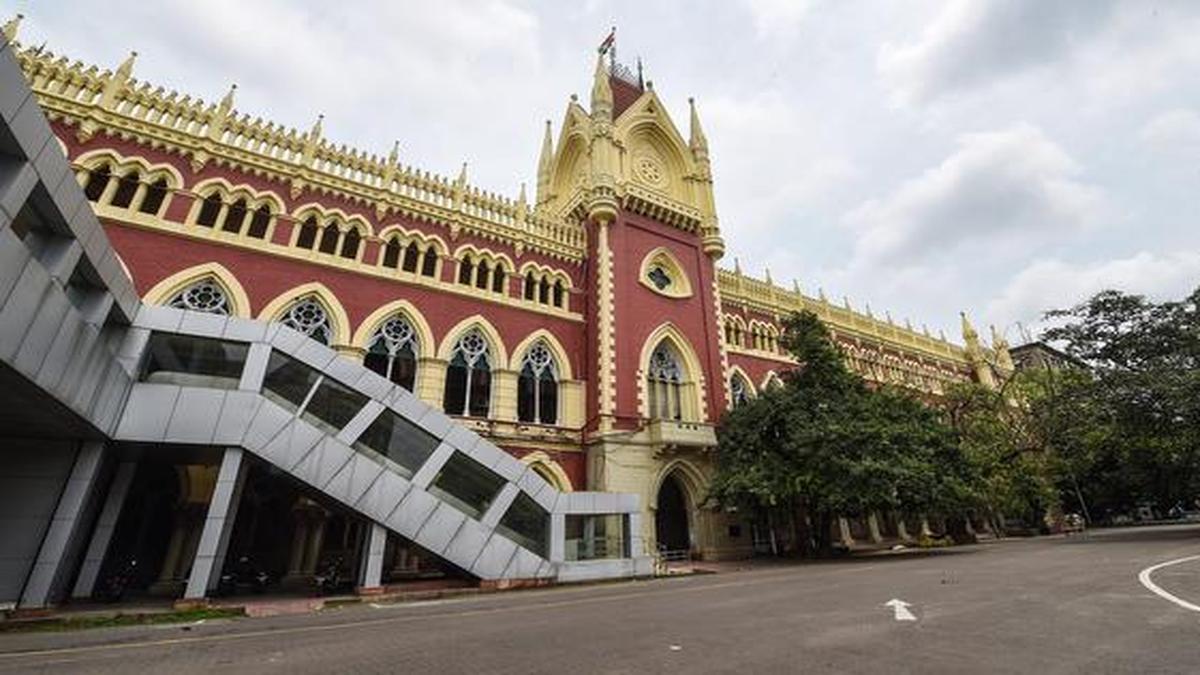
On July 10, a petiton was filed by Mamata Banerjee-led Trinamool Congress faction to seek direction to the police to allow its July 21 Martyrs' Day rally in front of Victoria House at Esplanade
Judicial Intervention in Political Mobilization: The TMC Martyrs' Day Petition
The upcoming hearing at the Calcutta High Court on July 15 marks a critical juncture in the intersection of judicial oversight and political expression in West Bengal. The petition, filed on July 10 by the Mamata Banerjee-led faction of the Trinamool Congress (TMC), seeks a formal directive to the police to allow the party to conduct its massive July 21 Martyrs' Day rally in front of Victoria House at the Esplanade. This legal move suggests a preemptive strategy by the ruling party to avoid last-minute administrative hurdles or security-based restrictions that could impede one of the most significant political events in the state's calendar.
The Symbolic Weight of Martyrs' Day
To understand the gravity of this petition, one must look at the historical and emotional weight of July 21. Martyrs' Day is not merely a political gathering; it is a cornerstone of the TMC's identity, commemorating the 1993 police firing that resulted in the deaths of thirteen youth activists. By centering the rally at the Esplanade and Victoria House, the party seeks to occupy the heart of Kolkata, transforming the city's central business district into a sea of party colors. This annual event serves as a primary vehicle for Mamata Banerjee to project her leadership, outline the party's future agenda, and demonstrate an overwhelming show of strength to both political rivals and the central government.
Legal Dynamics and Public Order
From a legal perspective, the petition highlights the ongoing tension between the fundamental right to assemble peacefully—guaranteed under Article 19 of the Indian Constitution—and the state's mandate to maintain public order and safety. The police often cite traffic congestion, security threats, and the logistical impossibility of managing millions of people in the confined spaces of the Esplanade as reasons to restrict such rallies. By bringing the matter to the High Court, the TMC is effectively asking the judiciary to balance these administrative concerns against the democratic right to political protest and celebration, potentially forcing the police to provide a concrete security plan rather than a blanket denial.
Strategic Implications of the Venue
The choice of Victoria House at the Esplanade is strategically significant. The Esplanade is the nerve center of Kolkata, and securing permission for a rally of this magnitude there is a statement of territorial and political dominance. Any restriction on the venue or the scale of the rally would be perceived not just as a logistical failure, but as a political setback for the Banerjee-led faction. The court's decision will therefore dictate not only where the rally happens but how the party's authority is perceived in the lead-up to the event, making the July 15 hearing a pivotal moment for the party's image.
Broader Political Context and Future Trends
This legal battle reflects a broader trend in Indian politics where the judiciary is increasingly called upon to mediate between political parties and law enforcement agencies. As political rallies become larger and more complex, the reliance on court orders to secure permissions has become a common tactical maneuver. If the Calcutta High Court grants the petition, it will likely set a precedent for how future large-scale gatherings are managed in the city, emphasizing a 'permission-with-conditions' approach rather than outright prohibition. This trend suggests that the judiciary is becoming the ultimate arbiter of the 'right to the city' for political actors.
Conclusion
In summary, the petition filed by the TMC is a calculated move to ensure that the July 21 Martyrs' Day rally proceeds without administrative interference. The hearing on July 15 will determine whether the party can utilize the Esplanade as a stage for its political projection. Beyond the immediate logistics, the outcome will signal the court's current stance on the balance between public security and political freedom in West Bengal, ensuring that the legacy of the July 21 commemorations continues to be enacted on a grand scale.
Verification Required?