Cemetery plot prices jumped 65% from 2018 to 2024, and now people are trying to flip them for profit
Source Entity
Yahoo Finance
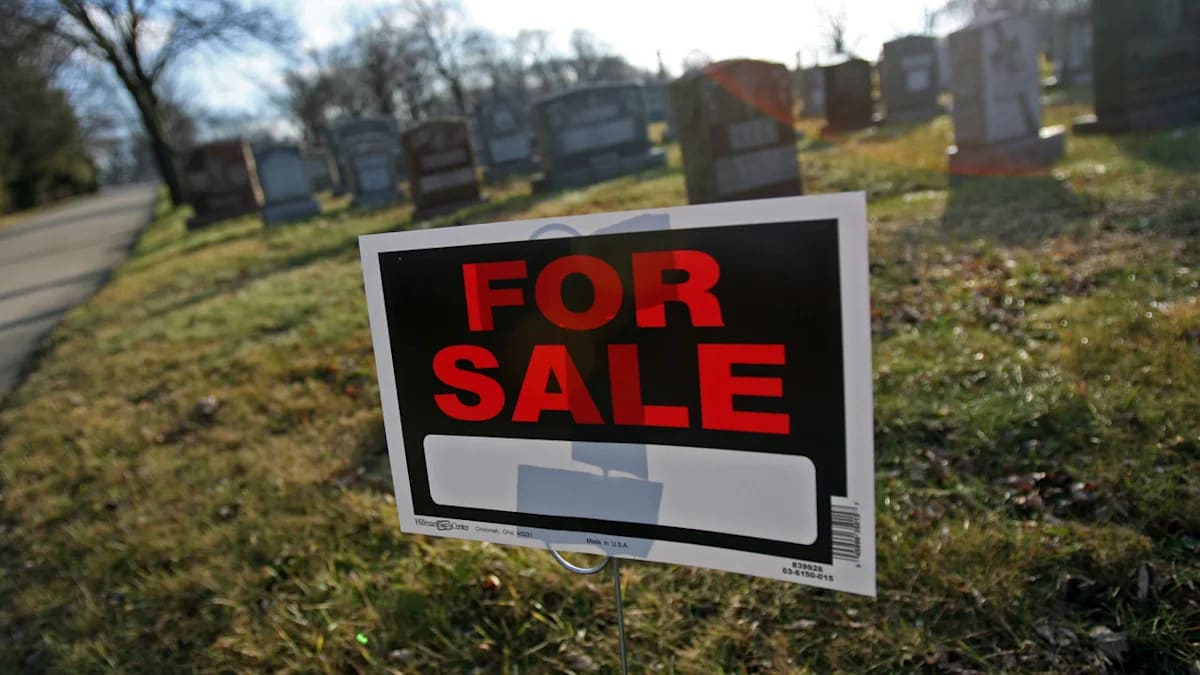
Cemetery plot prices have surged 65% since 2018, leading to a niche trend of speculative trading in burial spaces. This emerging market reflects broader economic pressures and the shift toward unconventional asset classes for profit.
The Rise of Burial Plot Speculation
The landscape of alternative asset classes has recently expanded into an unexpected domain: the cemetery. According to recent data, the cost of a cemetery plot has experienced a staggering 65% increase between 2018 and 2024. This rapid appreciation has transformed what was traditionally viewed as a solemn, final purchase into a speculative investment vehicle, drawing comparisons to the real estate flipping trends of the early 2000s.
Historical Context: From Housing to Headstones
To understand this shift, one must look back at the housing market frenzy of the early 2000s. Shows like Flip This House popularized the concept of rapid-turnover real estate investment, where liquidity and leverage were used to capitalize on rising property values. While the 2008 financial crisis tempered this enthusiasm, the COVID-19 pandemic reignited interest in property speculation. As traditional home flipping faces headwinds from increased material costs and high interest rates, opportunistic investors are now pivoting toward the finite supply of land within cemeteries.
The Mechanics of the Cemetery Flip
Unlike traditional residential flipping, which often requires significant capital expenditure for renovations, cemetery plot trading relies on the scarcity of space. Because land in desirable cemeteries is limited and cannot be 'manufactured,' the supply-demand imbalance naturally exerts upward pressure on prices. Investors are effectively betting on the long-term appreciation of these plots, treating them as a low-maintenance, non-depreciating asset that requires zero renovation work, thereby bypassing the typical risks associated with property management.
Economic Drivers and Market Implications
The 65% price jump since 2018 is indicative of broader inflationary pressures and a growing interest in unconventional assets. When traditional markets become saturated or prohibitively expensive, capital inevitably flows into niche sectors. This behavior highlights a shift in investor psychology, where even the most rigid social institutions—such as burial planning—are being re-evaluated through a purely financial lens.
Future Trends and Ethical Considerations
Looking forward, this trend raises significant questions about the future of end-of-life planning. As 'plot flipping' becomes more common, it may force regulatory bodies to reconsider how cemetery space is allocated and sold. If burial plots continue to be treated as high-yield commodities, the cost of a basic human necessity could become increasingly inaccessible for the average family, potentially fueling a shift toward alternative burial methods like cremation or green burials to avoid the premium costs associated with traditional plots.
Conclusion
The commodification of burial space is a stark reflection of modern economic desperation and the search for yield in an unpredictable market. While the 65% increase in plot prices offers lucrative opportunities for speculators, it signals a deeper transformation in how we manage and value land. As the market matures, the tension between viewing a cemetery as a final resting place versus a portfolio asset will likely become a point of significant public debate.