Forget France: China Is the New Foie Gras Champion
Source Entity
Latest News: Today's Latest News Headlines from India & World | Hindustan Times | Hindustan Times
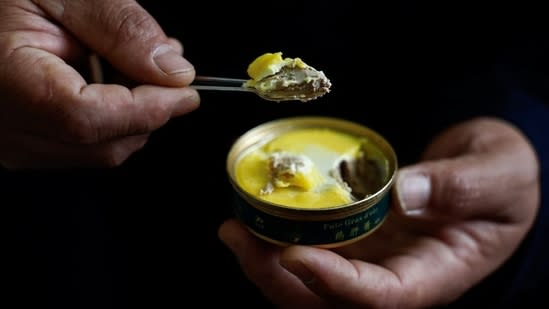
The Asian country makes 11,000 tons of the bird-liver delicacy annually—and it costs a little more than half the French kind.
The Great Gastronomic Shift: China's Rise as the Foie Gras Powerhouse
For centuries, foie gras has been the crown jewel of French haute cuisine, symbolizing luxury, prestige, and a deeply entrenched culinary tradition. However, a significant shift in the global luxury food market is underway. Recent data reveals that China has effectively dismantled the French monopoly on this delicacy, now producing approximately 11,000 tons of foie gras annually. This transition marks a pivotal moment where industrial efficiency and market demand in Asia have overtaken the traditional artisanal heritage of Europe.
Industrial Scale and Market Dominance
The sheer volume of China's production—11,000 tons per year—represents a massive scaling of operations that dwarfs traditional French output. This growth is not merely a result of increased demand within China's growing middle and upper classes, but a strategic industrialization of the production process. By applying large-scale agricultural techniques, China has managed to optimize the yield of fatty livers, turning a boutique luxury item into a high-volume commodity. This shift suggests that the 'champion' status is defined by quantity and market penetration rather than the strictly protected geographical indications (GI) that France has long used to defend its brand.
The Economics of Luxury: Price Disruption
One of the most striking aspects of this shift is the pricing strategy. With Chinese foie gras costing slightly more than half that of its French counterpart, the market is experiencing a 'democratization' of luxury. In the world of high-end gastronomy, price often acts as a barrier to entry and a marker of exclusivity. By slashing the price point, China is not only capturing the domestic market but is also positioning itself to disrupt international supply chains. This price war puts immense pressure on French producers, who must now decide whether to compete on cost—which is nearly impossible given higher European labor and regulatory costs—or double down on the 'premium' artisanal narrative.
Historical Context and Cultural Integration
Historically, foie gras was an export of French culture, imported into Asia as a symbol of Western sophistication. However, the narrative has flipped. China has moved from being a mere consumer to the primary producer. This reflects a broader trend in the 21st century where Asian economies have moved up the value chain, transitioning from manufacturing low-cost goods to dominating the production of high-value luxury items. The integration of foie gras into the Chinese agricultural landscape shows a willingness to adopt and scale foreign traditions to suit local economic goals.
Regulatory Landscapes and Ethical Implications
The rise of Chinese production also highlights a divergence in regulatory and ethical frameworks. In many parts of the West, particularly in several US states and European regions, the practice of gavage (force-feeding) has faced severe backlash and legal bans due to animal welfare concerns. The ability of China to scale production to 11,000 tons suggests a different regulatory environment where industrial output is prioritized over the restrictive welfare laws seen in the EU. This creates a complex global trade dynamic where the world's most consumed foie gras may come from a region with fewer restrictions than the region that invented the dish.
Future Trends: Artisanal vs. Industrial
Looking forward, we can expect a bifurcation of the foie gras market. France will likely pivot toward a 'luxury-heritage' model, emphasizing organic methods, traditional farming, and strict certification to justify its higher price point. Meanwhile, China is poised to dominate the global mass-luxury market, supplying high-end hotels and restaurants worldwide with a more affordable product. As China continues to refine its production techniques, it may eventually seek to establish its own luxury branding to move beyond the 'low-cost' label and challenge France on the basis of quality as well as quantity.
Summary
China's ascent to the top of the foie gras industry is a classic example of industrial disruption. By producing 11,000 tons at half the cost of French liver, China has shifted the center of gravity for this luxury delicacy from the vineyards of France to the industrial farms of Asia, fundamentally altering the economics of high-end gastronomy.
Verification Required?