Why cracked heels are usually not a sign of zinc deficiency
Source Entity
The Indian Express
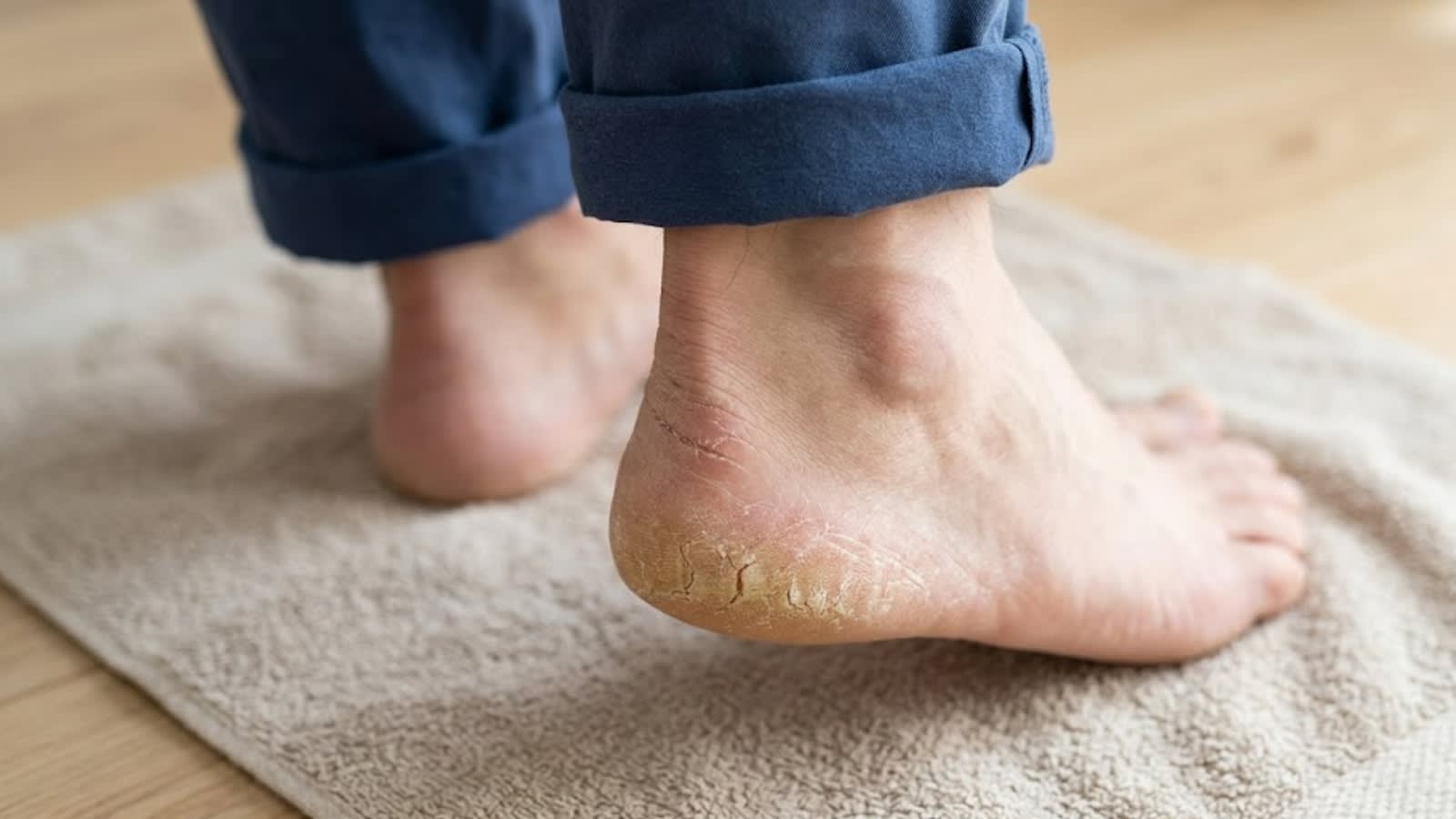
Chiropractor Dr Jaban Moore recently suggested that your feet may reveal hidden nutritional deficiencies. In a social media post, he claimed, “Cracked, dry heels that will not soften mean low zinc and...
Debunking the Zinc Deficiency Myth: The Reality of Cracked Heels
The intersection of social media and medical advice has created a landscape where "quick-fix" nutritional claims often overshadow evidence-based dermatology. A recent assertion by chiropractor Dr. Jaban Moore, who suggested that cracked, dry heels are a telltale sign of zinc deficiency, exemplifies this trend. While the human body does provide external clues to internal health, the leap from dry skin to a specific mineral deficiency is often an oversimplification that ignores the complex nature of dermatological health and the multifaceted causes of skin barrier failure.
The Anatomy of Heel Fissures
To understand why the zinc deficiency claim is fundamentally flawed, one must first understand the anatomy of the foot. The skin on the heels is significantly thicker than on other parts of the body and lacks the sebaceous (oil) glands necessary to maintain natural moisture. When this skin becomes excessively dry, it loses its elasticity. Under the constant pressure of walking, the skin cannot stretch and instead splits, leading to what are known as heel fissures. This condition is typically driven by environmental factors—such as low humidity or walking barefoot—and mechanical stress, rather than a singular missing nutrient.
The Actual Role of Zinc in Skin Health
Zinc is undeniably critical for skin integrity and wound healing, as it plays a vital role in collagen synthesis and immune function. However, a clinical zinc deficiency is a systemic condition. It rarely manifests solely as localized dryness in the heels. Instead, a true deficiency typically presents as a constellation of symptoms, including impaired taste (hypogeusia), loss of appetite, hair loss, and delayed wound healing across the entire body. Attributing cracked heels specifically to low zinc ignores the more likely culprits: chronic dehydration, improper footwear, or systemic conditions like hypothyroidism.
The Dangers of Social Media Self-Diagnosis
The danger of such viral health claims lies in the potential for patients to engage in unsupervised self-treatment. Zinc is a potent mineral, and over-supplementing it can lead to toxicity or induce a secondary copper deficiency, which can cause neurological issues and anemia. When individuals bypass a licensed physician to treat "cracked heels" with high-dose zinc supplements, they risk introducing new health complications while potentially masking serious underlying issues, such as diabetes mellitus, which frequently causes severe skin dryness (xerosis) and poor circulation in the extremities.
The Broader Trend of "Wellness" Misinformation
This incident highlights a broader trend within the "wellness" industry where practitioners may use social media to promote diagnostic shortcuts. By framing a common, benign ailment as a "hidden deficiency," influencers can create an artificial demand for supplements or specialized consultations. This approach undermines the rigorous process of differential diagnosis used by dermatologists and registered dietitians, who examine a patient's full medical history and blood work before concluding that a nutritional deficiency is the root cause of a symptom.
Conclusion: Prioritizing Evidence-Based Care
Ultimately, while nutritional health is foundational to overall skin quality, the assertion that cracked heels are a reliable marker for zinc deficiency lacks clinical evidence. Maintaining foot health requires a combination of proper hydration, the use of emollients (like urea-based creams), and professional medical consultation. As health information continues to proliferate on social platforms, the necessity of verifying claims through peer-reviewed research and licensed medical professionals remains paramount to ensuring patient safety and effective treatment.