Eye doctor Dr Rashmi Jaiswal reveals 8 common mistakes that could be harming your vision without you realising it
Source Entity
Latest News: Today's Latest News Headlines from India & World | Hindustan Times | Hindustan Times
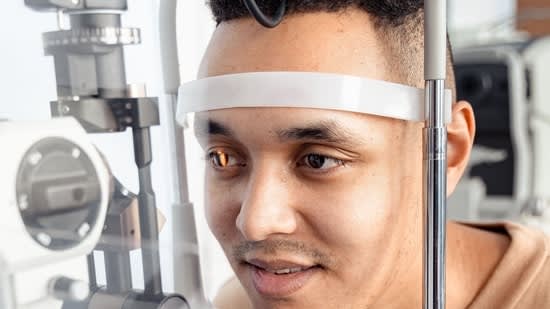
From rubbing your eyes to skipping check-ups, Dr Rashmi Jaiswal reveals 8 mistakes to avoid for better vision.
Safeguarding Your Sight: An Analysis of Dr. Rashmi Jaiswal's Vision Warnings
Vision is one of the most critical yet frequently overlooked aspects of overall health. In a recent advisory, eye specialist Dr. Rashmi Jaiswal has shed light on eight common mistakes that individuals unknowingly commit, which can lead to the gradual deterioration of ocular health. By bringing attention to these habitual errors, Dr. Jaiswal emphasizes a proactive approach to vision care, shifting the focus from reactive treatment to preventative maintenance.
The Mechanical Risks of Eye Rubbing
One of the primary mistakes highlighted by Dr. Jaiswal is the habit of rubbing the eyes. While often a reflexive response to irritation or tiredness, chronic eye rubbing can have severe physiological consequences. From a medical perspective, excessive pressure on the cornea can lead to thinning or distortion, potentially increasing the risk of keratoconus—a condition where the cornea thins and gradually bulges outward into a cone shape. Furthermore, rubbing the eyes can transfer bacteria and allergens from the hands directly onto the ocular surface, increasing the likelihood of infections and inflammatory responses.
The Danger of Neglecting Preventative Care
Another critical point raised in the analysis is the tendency to skip regular eye check-ups. Many vision-threatening conditions, such as glaucoma or early-stage macular degeneration, are often 'silent,' meaning they present no noticeable symptoms until significant and irreversible damage has already occurred. By skipping professional screenings, individuals lose the window of opportunity for early intervention. Dr. Jaiswal's warning underscores that a comprehensive eye exam is not merely about updating a prescription for glasses, but is a vital diagnostic tool for monitoring systemic health and preventing permanent blindness.
Broader Implications for Public Health
These warnings come at a time when digital eye strain is at an all-time high due to the ubiquity of screens. While the provided context focuses on specific physical habits and neglect, these mistakes often coexist with a modern lifestyle that taxes the visual system. The broader implication of Dr. Jaiswal's advice is a call for a 'vision hygiene' routine—integrating regular breaks, avoiding harmful physical contact with the eyes, and adhering to a strict schedule of professional medical evaluations.
Conclusion
Ultimately, the insights provided by Dr. Rashmi Jaiswal serve as a necessary reminder that vision loss is not always an inevitable part of aging or genetics; it is often accelerated by avoidable behavioral patterns. By eliminating common mistakes such as eye rubbing and the avoidance of clinical check-ups, individuals can significantly reduce their risk of long-term impairment and maintain a higher quality of life through preserved visual acuity.
Verification Required?