First patients enrolled in record-breaking Ebola treatment trial in DRC
Source Entity
Kat Lay, Global health correspondent and Prosper Heri in Bunia
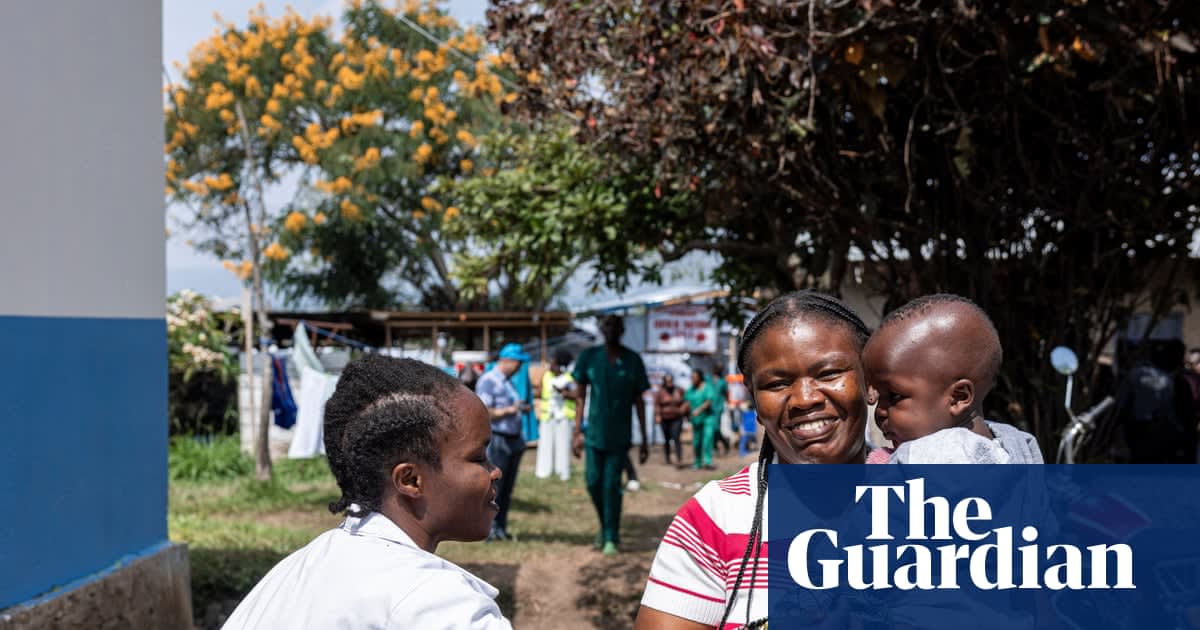
<p>Two drugs are being trialled in the Ituri region in a programme set up just six weeks after the outbreak was declared, with hopes it will reduce mortality rates</p><p>There is no approved drug to help the medical teams scrabbling to save lives in the Ebola outbreak in the Democratic Republic of the Congo – but there are hopes that could change within months as the first patients are enrolled in a treatment trial.</p><p>It is a record pace to set up and start this kind of research, scientists said, with patients enrolled just six weeks after the <a href="https://www.who.int/news/item/17-05-2026-epidemic-of-ebola-disease-in-the-democratic-republic-of-the-congo-and-uganda-determined-a-public-health-emergency-of-international-concern">outbreak being declared a public health emergency</a> of international concern by the World Health Organization (WHO) on 17 May.</p> <a href="https://www.theguardian.com/global-development/2026/jul/12/record-breaking-ebola-treatment-trial-drc">Continue reading...</a>
Rapid Response: The Race to Combat Ebola in the DRC
In a significant leap for emergency medical research, the first patients have been enrolled in a critical Ebola treatment trial within the Ituri region of the Democratic Republic of the Congo (DRC). This initiative is particularly noteworthy not only for its medical goals but for its unprecedented speed of implementation. With the World Health Organization (WHO) having declared the outbreak a public health emergency of international concern on May 17, the trial was operationalized in just six weeks. This rapid deployment underscores a desperate urgency to curb mortality rates in a region where medical infrastructure is often stretched thin and the virus's lethality remains a primary threat to public health.
A Paradigm Shift in Clinical Trial Speed
Traditionally, the trajectory from the identification of a health crisis to the commencement of clinical trials is a protracted process involving months, if not years, of bureaucratic approvals, logistical planning, and site preparation. The fact that this trial was established in six weeks represents a record-breaking pace in the field of infectious disease research. This acceleration suggests a streamlined coordination between international health bodies, local Congolese authorities, and pharmaceutical researchers. By slashing the lead time, scientists are attempting to provide therapeutic interventions while the outbreak is still in its active phase, rather than documenting the tragedy post-facto, thereby maximizing the potential to save lives in real-time.
Addressing the Treatment Void
One of the most harrowing aspects of the current Ebola outbreak in the DRC is the lack of an approved, standardized drug to treat the virus. While supportive care—such as fluid replacement and symptom management—can help, the absence of a targeted antiviral therapy leaves medical teams "scrabbling" to save patients. The introduction of two experimental drugs in this trial is a strategic attempt to fill this therapeutic void. If successful, these drugs could move from experimental status to approved treatments, fundamentally changing the prognosis for future Ebola patients and reducing the devastating mortality rates associated with the disease.
The Strategic Importance of the Ituri Region
Conducting high-stakes medical research in the Ituri region presents unique challenges. The area has historically been plagued by instability and conflict, which often complicates the delivery of humanitarian aid and the monitoring of clinical trials. The ability to enroll patients in this specific geography indicates a successful navigation of complex socio-political landscapes. Ensuring that trial participants are treated ethically and that data is collected accurately in a volatile environment is a monumental task, yet it is essential for ensuring that the treatment is effective across diverse and challenging real-world conditions.
Global Health Governance and the WHO's Role
The timing of this trial is inextricably linked to the WHO's declaration of a public health emergency of international concern. Such declarations act as a global alarm, triggering the release of emergency funds, the mobilization of international experts, and the activation of expedited regulatory pathways for drug testing. This event highlights the critical role of global health governance in orchestrating a unified response to pandemics. The synergy between the WHO's administrative trigger and the scientific community's operational response has created a blueprint for how the world might handle future zoonotic spillovers or engineered pathogens.
Future Implications for Epidemic Management
Looking forward, the success of this record-breaking trial setup could redefine the standards for epidemic response worldwide. If the DRC trial proves that high-quality clinical data can be gathered within weeks of an outbreak, it will likely pressure regulatory bodies to permanently adopt "fast-track" protocols for other high-mortality diseases. We are likely to see a shift toward "adaptive trial designs," where treatments are tested and adjusted in real-time as the outbreak evolves. This evolution in medical methodology could significantly reduce the window of vulnerability that populations face during the early stages of a new epidemic.
Conclusion
The enrollment of the first patients in the Ituri Ebola trial is a beacon of hope and a testament to modern medical agility. By bridging the gap between emergency declaration and clinical intervention in record time, health organizations are fighting a war of attrition against a deadly virus. While the efficacy of the two drugs remains to be seen, the logistical victory of establishing this trial provides a vital framework for saving lives not only in the DRC but in any future global health crisis.