Elon Musk does not agree with companies who want employees to use in-house AI models
Source Entity
TOI TECH DESK
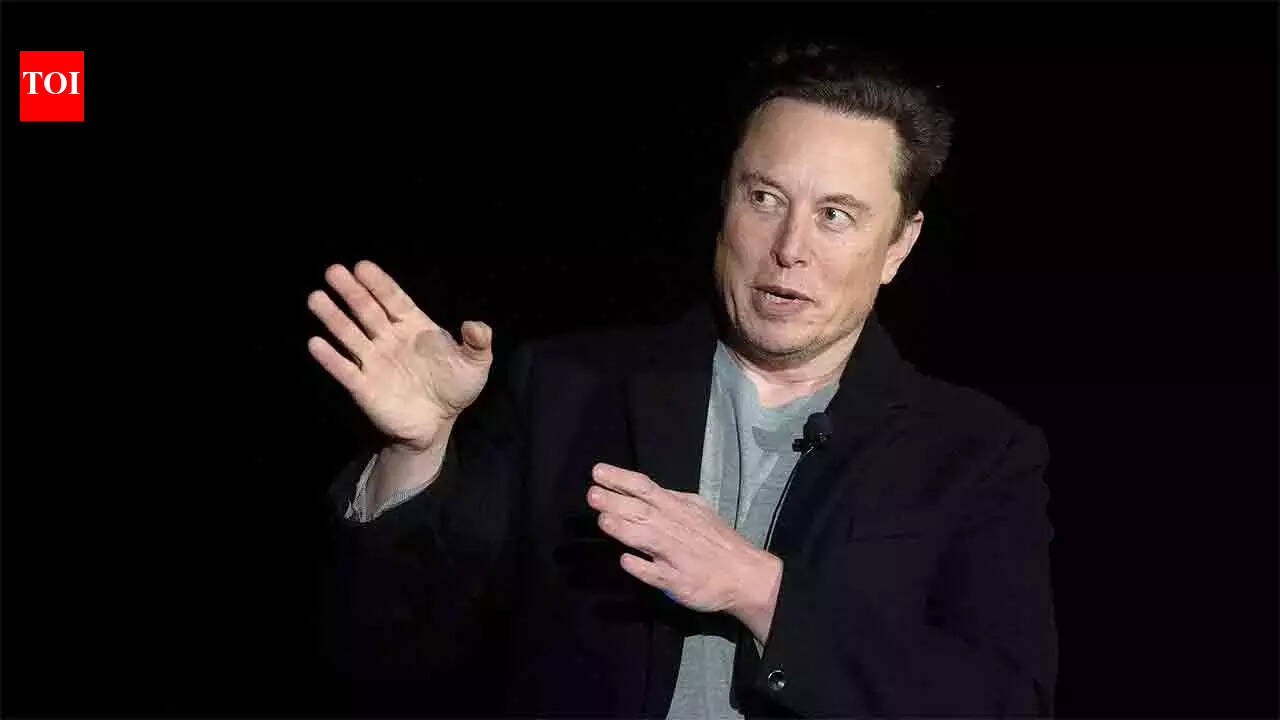
Elon Musk clarified Tesla's policy on using in-house AI models. He stated employees should use Grok 4.5 only if it solves their tasks. Tesla has capped weekly spending on third-party AI tools like ChatGPT. While Grok 4.5 is less capable, its operating cost is significantly lower. This decision prioritizes corporate cost-efficiency for most tasks.
Strategic Pragmatism: Elon Musk's AI Deployment at Tesla
In a move that highlights the tension between raw computational power and corporate fiscal discipline, Elon Musk has clarified Tesla's stance on the integration of artificial intelligence within its workforce. Rather than mandating a strict adherence to internal tools or granting unlimited access to premium third-party services, Musk is implementing a tiered approach. By encouraging the use of Grok 4.5 for routine tasks while capping the spending on external models like ChatGPT, Tesla is navigating the complex transition from AI experimentation to sustainable operational integration.
The Economics of Inference and Operational Cost
At the heart of this decision is the fundamental economic reality of Large Language Models (LLMs): the cost of inference. While frontier models like those provided by OpenAI offer superior reasoning and creative capabilities, they come with significant API costs that can scale aggressively as a workforce grows. By steering employees toward Grok 4.5—which is described as less capable but significantly cheaper to operate—Tesla is optimizing its overhead. This strategy reflects a broader corporate trend where companies are realizing that not every internal task requires the 'most powerful' model available; often, a smaller, more efficient model is sufficient for basic data processing or internal communication.
Avoiding the "Sunk Cost" Fallacy in Proprietary AI
One of the most striking aspects of Musk's directive is the caveat that employees should use Grok 4.5 only if it solves their tasks. This reveals a level of strategic flexibility rarely seen in companies that develop their own proprietary tech. Many organizations fall into the trap of forcing employees to use in-house tools regardless of quality, simply to justify the investment in their development. Musk's approach acknowledges that productivity loss resulting from an inferior tool is more expensive than the cost of a third-party subscription. By allowing the use of ChatGPT for complex problems, Tesla ensures that high-value engineering and design work is not throttled by the limitations of a less capable internal model.
The Synergy Between xAI and Tesla
This policy also serves as a real-world stress test for xAI, the entity behind Grok. By integrating Grok into the Tesla ecosystem, Musk creates a rapid feedback loop where the model is exposed to a variety of industrial and technical challenges. This iterative process allows xAI to identify the specific gaps in Grok's capabilities compared to industry leaders. As Grok evolves, the "capability gap" mentioned in the reports will likely shrink, allowing Tesla to further reduce its reliance on external providers and tighten its control over its data and expenditures.
Broader Implications for Corporate AI Governance
Tesla's approach provides a blueprint for other Fortune 500 companies struggling with AI governance. Currently, many firms are split between two extremes: those that ban external AI entirely due to security concerns and those that allow unrestricted use, leading to unpredictable costs. Tesla's "capped spending" model introduces a middle ground—budgetary guardrails. This ensures that AI remains a tool for efficiency rather than a runaway expense, forcing employees to be mindful of which tool is appropriate for the specific complexity of the task at hand.
Conclusion: Efficiency Over Ideology
Ultimately, Elon Musk's directive at Tesla is less about a preference for one AI over another and more about the cold calculation of efficiency. By balancing the low cost of Grok 4.5 with the high performance of third-party tools, Tesla is maximizing its intellectual output while minimizing waste. This pragmatic framework suggests a future where corporate AI usage is not monolithic, but rather a diversified portfolio of models selected based on a strict cost-benefit analysis of the task at hand.