FDA suspends Kondhwa cafe’s licence for allegedly serving expired food products
Source Entity
Latest News: Today's Latest News Headlines from India & World | Hindustan Times | Hindustan Times
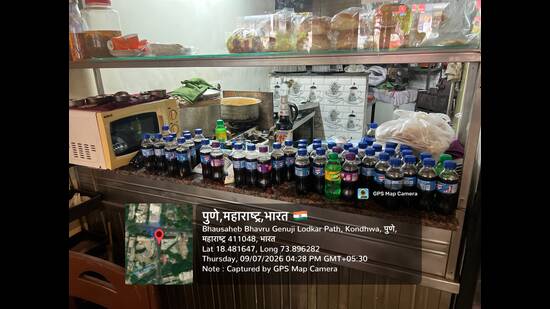
The Food and Drug Administration (FDA) has suspended the food licence of a popular cafe in Kondhwa Khurd and ordered its immediate closure after expired milk and other food products were found stored at the establishment during an inspection, officials said on Friday
Regulatory Crackdown on Food Safety in Kondhwa Khurd
In a decisive move to protect public health, the Food and Drug Administration (FDA) has suspended the operational license of a prominent cafe located in Kondhwa Khurd. The action follows a targeted inspection that uncovered a critical failure in food safety protocols: the storage and alleged use of expired milk and other food products. This immediate closure signals a zero-tolerance approach by regulatory bodies toward establishments that compromise consumer safety for operational convenience or through negligence.
The Legal and Regulatory Implications
The suspension of a food license is one of the most severe administrative penalties an FDA can impose. By ordering an immediate closure, the authority is not merely issuing a warning but is actively mitigating a perceived immediate risk to the community. From a legal standpoint, the presence of expired perishables suggests a systemic failure in the establishment's Quality Assurance (QA) processes. Under food safety laws, businesses are mandated to maintain strict traceability and expiration tracking; failing to do so can lead to prolonged shutdowns, heavy fines, and a permanent revocation of the license if corrective measures are not implemented.
Public Health Risks of Expired Perishables
The discovery of expired milk is particularly concerning due to the high risk of foodborne illnesses. Dairy products are highly susceptible to bacterial contamination, including Listeria and Salmonella, which can proliferate rapidly once a product passes its expiration date. When a "popular" cafe—which likely serves a high volume of customers—ignores these dates, the potential for a mass health crisis increases. This incident highlights the dangerous gap that can exist between a business's outward popularity and its internal sanitary standards, reminding consumers that brand reputation is not always a proxy for food safety.
Analysis of Operational Failures
From an operational perspective, the storage of expired goods typically points to a breakdown in the 'First-In, First-Out' (FIFO) inventory management system. In a fast-paced cafe environment, failure to rotate stock properly often leads to older products being pushed to the back of the cooler, where they remain unnoticed until an inspection occurs. This suggests that the Kondhwa establishment may have lacked a rigorous daily checklist or a trained food safety supervisor capable of auditing inventory in real-time, leading to the hazardous situation discovered by the FDA.
Impact on Local Business Ecosystem
This closure serves as a stark warning to other food service providers in the Kondhwa Khurd area. When a "popular" establishment is shut down, it creates a ripple effect of scrutiny, often prompting the FDA to increase the frequency of surprise inspections across the neighborhood. For other local businesses, this is a catalyst to audit their own supply chains and storage practices. The loss of revenue and the subsequent blow to brand equity for this specific cafe illustrate the high cost of neglecting basic food safety compliance.
Path to Recovery and Future Trends
For the cafe to resume operations, it will likely be required to undergo a comprehensive sanitization process, provide proof of staff training in food handling, and pass a rigorous re-inspection. Moving forward, we can expect a trend toward more digitalized inventory tracking in the region, as business owners seek to remove human error from expiration monitoring. The FDA's proactive stance in this case suggests a broader trend of tightening oversight on urban eateries to prevent outbreaks before they occur.
Conclusion
The FDA's intervention in Kondhwa Khurd is a necessary exercise in regulatory oversight. By shutting down a popular venue for the use of expired products, the authority has prioritized public health over commercial interests. This event underscores the non-negotiable nature of food safety standards and serves as a critical reminder that operational excellence must extend beyond customer service to include the most basic elements of hygiene and product freshness.
Verification Required?