The fight against AI data centers is just beginning
Source Entity
Emma Roth
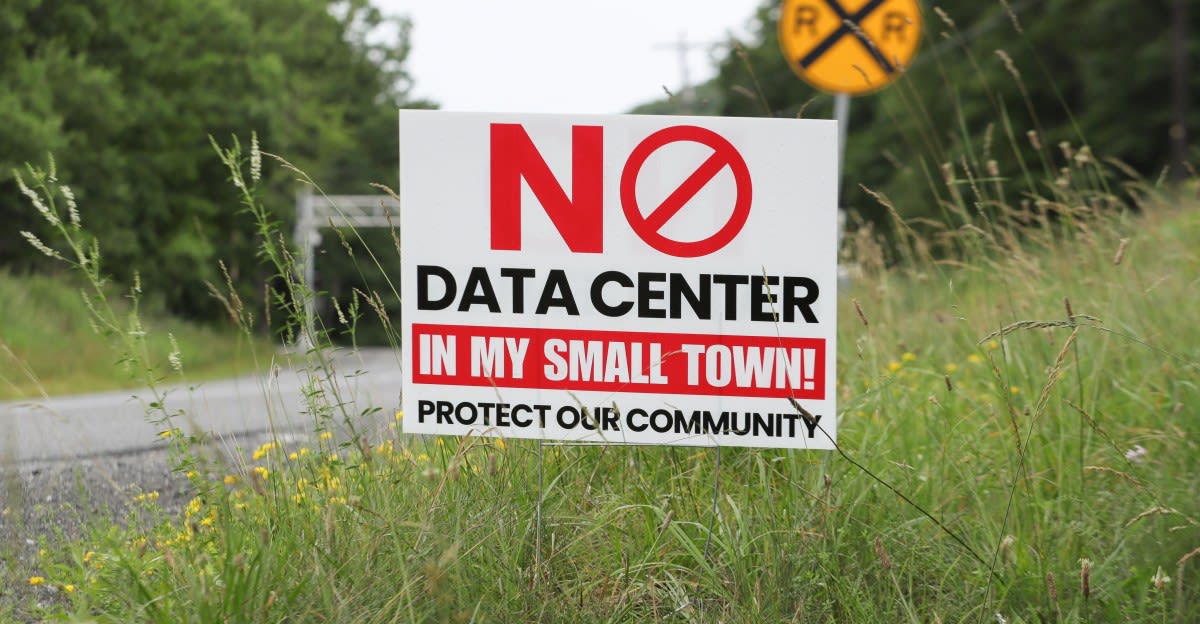
This is The Stepback, a weekly newsletter breaking down one essential story from the tech world. For more on the data center buildout, follow Emma Roth. The Stepback arrives in our subscribers' inboxes on Sunday at 8AM ET. Opt in for The Stepback here. How it started Years before the AI boom threatened local power […]
The Infrastructure Collision: AI Ambition vs. Local Reality
The rapid ascent of generative AI has shifted the tech industry's primary challenge from software development to physical infrastructure. As highlighted in 'The Stepback,' the "fight against AI data centers" is not merely a localized zoning dispute but a systemic conflict between the insatiable energy demands of Large Language Models (LLMs) and the limitations of existing electrical grids. This tension represents a critical bottleneck in the AI race, where the ability to scale compute is now directly tied to the availability of high-voltage power and sustainable cooling solutions.
The Energy Paradox of the AI Boom
At the heart of this conflict is the sheer power density required by modern AI hardware. Unlike traditional cloud data centers, AI-specific clusters utilizing thousands of H100s or similar GPUs require significantly more electricity per square foot. This surge in demand often threatens to destabilize local power grids, leading to concerns among residents and municipal leaders about potential brownouts or increased utility costs for the general public. The "fight" mentioned in the report stems from this zero-sum game: when a massive data center consumes a significant portion of a region's power capacity, the community often feels the squeeze.
Environmental and Social Friction
Beyond electricity, the opposition to AI data centers typically extends to water consumption and noise pollution. AI chips generate immense heat, requiring sophisticated cooling systems that often rely on millions of gallons of water daily—a point of contention in drought-prone regions. Furthermore, the constant hum of industrial-scale cooling fans creates an acoustic footprint that disrupts residential peace. These environmental externalities transform tech infrastructure projects from purely economic wins into social liabilities, fueling grassroots resistance and legislative hurdles.
Economic Trade-offs and Municipal Dilemmas
Local governments find themselves in a precarious position. On one hand, data centers promise significant tax revenue and a boost to local construction industries. On the other hand, they offer relatively few permanent high-paying jobs compared to the massive amount of resources they consume. This imbalance often leads to a political backlash, where the perceived benefit to the "Big Tech" corporation is seen as disproportionate to the benefit provided to the local citizenry, leading to the "fight" described in the narrative.
Future Trends: The Pivot to Alternative Power
Looking forward, the industry is likely to pivot toward decentralized power generation to bypass grid constraints. We are already seeing a trend where tech giants explore Small Modular Reactors (SMRs) and dedicated nuclear power agreements to ensure a steady, carbon-free energy supply that does not compete with residential needs. The evolution of the "fight" will likely move from simple protests to complex negotiations over energy sovereignty and the integration of next-generation energy sources into the public grid.
Summary
The conflict surrounding AI data centers is a symptom of the physical limits of our current infrastructure. As AI continues to scale, the industry must move beyond simply consuming existing power and instead become a partner in energy innovation. The ongoing struggle between tech expansion and local stability will ultimately define where and how the next generation of AI is hosted.