No, Flock isn’t threatening people for debating surveillance
Source Entity
Jay Peters
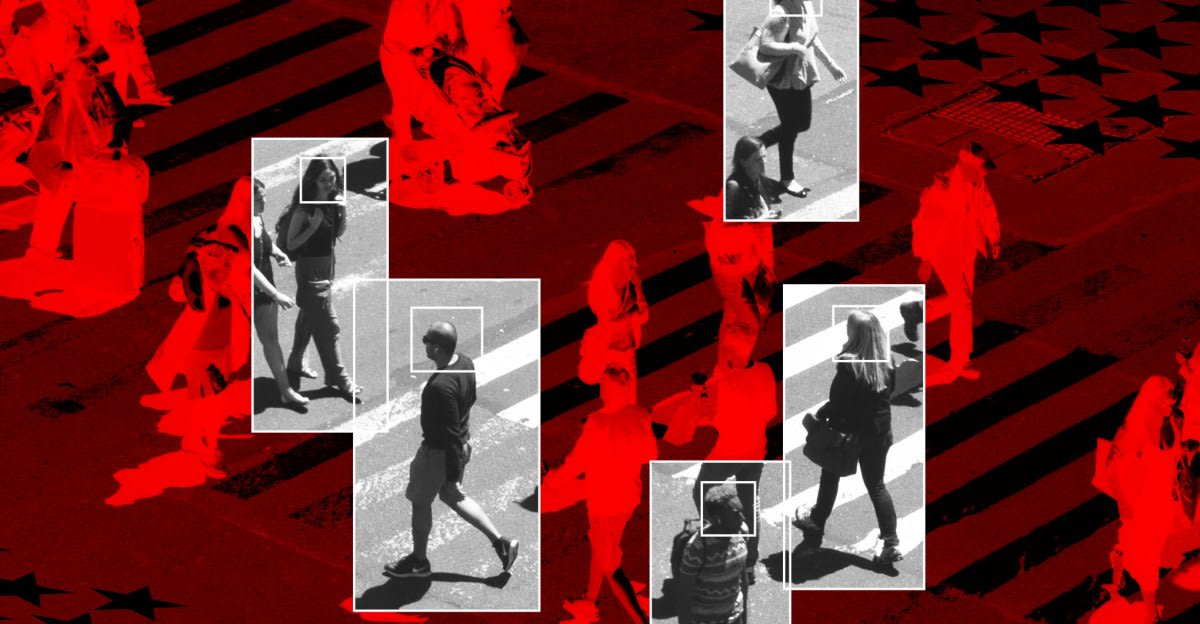
On Thursday, the Instagram account for a lecture series in Newport Beach, CA posted a photo of what appeared to be a cease and desist letter from the surveillance technology company Flock Safety. Flock has received significant backlash over its technology and work with law enforcement agencies, and this letter kicked off yet another wave […]
The Intersection of Surveillance and Speech: Analyzing the Flock Safety Controversy
The recent controversy surrounding Flock Safety in Newport Beach, California, serves as a poignant case study in the tension between corporate legal protections and the public's right to critique surveillance infrastructure. The incident began when an Instagram account associated with a local lecture series shared an image of a cease and desist letter sent by Flock Safety. This action immediately triggered a wave of backlash, with critics interpreting the legal maneuver as an attempt to stifle democratic debate regarding the proliferation of surveillance technology in residential and public spaces.
The Catalyst: The Newport Beach Incident
At the heart of this dispute is the perceived intent behind the legal correspondence. When the lecture series posted the cease and desist letter, it provided a visual catalyst for a broader conversation about corporate intimidation. In the digital age, the sharing of legal threats on social media often transforms a private corporate dispute into a public referendum on a company's ethics. For the community in Newport Beach and beyond, the letter was seen not as a standard legal procedure, but as a weaponized tool used to discourage citizens from questioning the omnipresence of license plate readers and the data privacy policies associated with them.
Contextualizing Flock Safety's Technology
To understand why a single letter caused such an outcry, one must look at the nature of Flock Safety's business model. The company specializes in Automatic License Plate Recognition (ALPR) technology, providing law enforcement and homeowners' associations with a network of cameras that track vehicle movements in real-time. While the company frames its mission as one of public safety and crime prevention, privacy advocates argue that such systems create a "dragnet" effect, documenting the movements of innocent citizens without their consent. This inherent friction makes any legal action taken by the company appear as an extension of the surveillance itself—an attempt to monitor and control the narrative.
Legal Nuance vs. Public Perception
From a legal standpoint, there is a critical distinction between "debating surveillance" and engaging in activities that might trigger a cease and desist letter, such as trademark infringement, defamation, or the unauthorized use of proprietary materials. The headline "No, Flock isn’t threatening people for debating surveillance" suggests that the company's legal actions were targeted at specific violations rather than the act of criticism itself. However, in the court of public opinion, this nuance is often lost. The "chilling effect" occurs when individuals fear that critical discourse might lead to expensive legal battles, regardless of whether the company's claims are legally sound.
Broader Implications for Civil Liberties
This event mirrors a larger global trend where the privatization of surveillance is outpacing the development of regulatory frameworks. As private companies like Flock Safety become integral to police operations, the line between corporate interests and state power blurs. When a private entity uses legal threats against those discussing its role in public policing, it raises fundamental questions about transparency. If the technology is used for the public good, the argument goes, the company should be able to withstand rigorous public scrutiny without resorting to legal pressure.
Future Trends in Surveillance Accountability
Looking forward, we can expect an increase in "litigation as PR," where both corporations and activists use legal filings to signal their positions to the public. As more cities adopt ALPR and facial recognition tech, the clash between corporate intellectual property rights and the public's right to know will intensify. We are likely to see a push for stronger "anti-SLAPP" (Strategic Lawsuit Against Public Participation) protections to ensure that companies cannot use their vast financial resources to silence community organizers or educational series.
Summary of Findings
In conclusion, while the specific legal merits of the cease and desist letter in Newport Beach may be narrow, the symbolic impact is immense. The incident highlights a systemic conflict: the desire for high-tech security versus the fundamental right to privacy and free expression. Whether Flock Safety was acting within its legal rights or overstepping, the backlash underscores a growing societal intolerance for surveillance systems that operate with limited transparency and a perceived hostility toward public critique.