7/12, Khata, Jamabandi or Patta? A guide to land ownership documents across India
Source Entity
TOI REAL ESTATE DESK
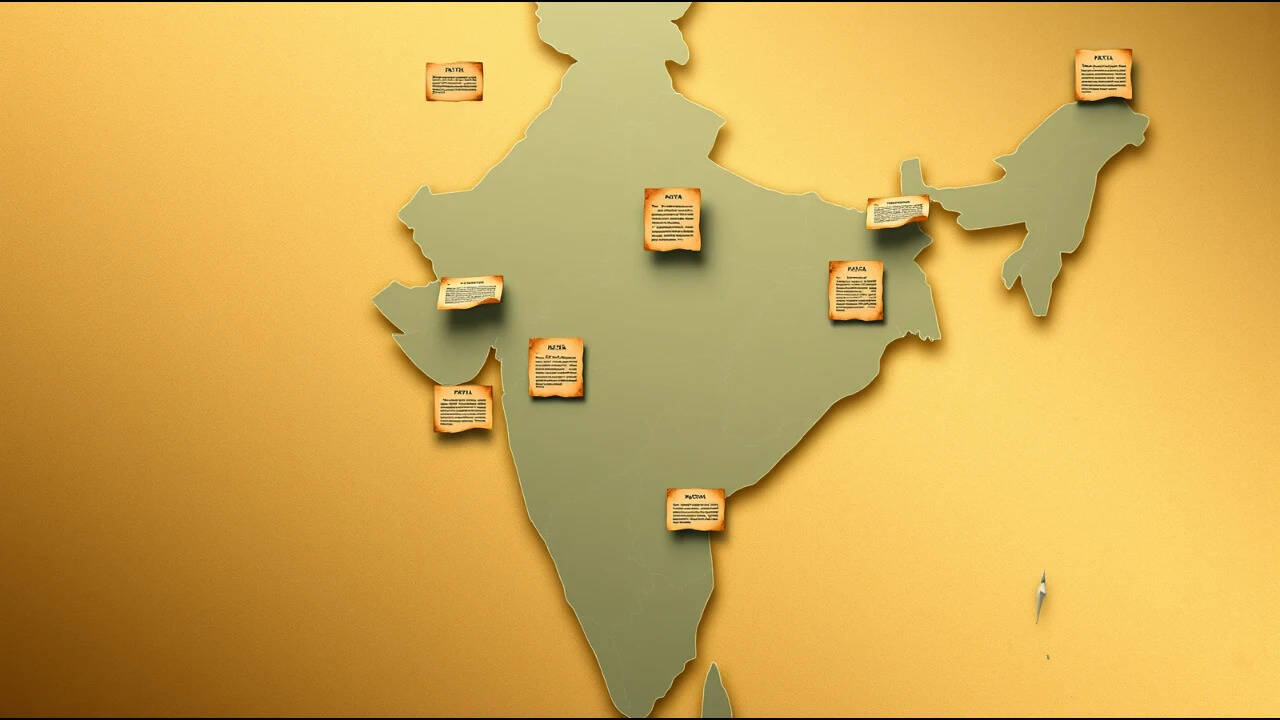
Land records are crucial for various property transactions across India. Different states use unique names like 7/12 extract and Khatauni for these documents. These records detail ownership, cultivation, and tax liabilities for land parcels. While terminology differs, their core purpose remains consistent for all citizens. Digitization efforts are making this vital information increasingly accessible online.
Navigating the Labyrinth of Indian Land Records
Land ownership in India is characterized by a complex web of documentation that varies significantly from one state to another. For any individual engaging in property transactions, understanding the specific terminology—whether it be 7/12, Khata, Jamabandi, or Patta—is not just a matter of semantics but a legal necessity. These documents serve as the primary evidence of ownership and the basis for all agrarian and urban land dealings across the subcontinent, acting as the definitive link between the citizen and the state's land registry.
Decoding the Terminology: 7/12, Khata, and Beyond
The variety of names for land records is a byproduct of India's diverse administrative history and regional governance. For instance, the 7/12 extract is widely used in states like Maharashtra and Gujarat, combining ownership details (Village Form VI) and cultivation details (Village Form XII). In other regions, terms like Khatauni or Jamabandi are prevalent, serving as the 'record-of-rights' that lists the owner, the area of the land, and the nature of the land usage. A Patta is often a legal document issued by the government to individuals, granting them specific ownership or lease rights over a piece of land. While the names differ, they all converge on a single goal: providing a transparent, legal record of land title.
The Functional Core of Land Documentation
At their heart, these documents are designed to track three critical metrics: ownership, cultivation, and tax liabilities. Ownership records ensure that the title is clear, which is essential for preventing litigation and enabling the legal sale of property. Cultivation records are particularly vital in rural India, as they determine the type of crops grown and the land's productivity, which in turn affects government subsidies and agricultural planning. Finally, the tax liability section ensures that the state receives its due revenue, linking land usage to fiscal responsibility and ensuring that the property is legally maintained.
Historical Context and the Burden of Bureaucracy
The fragmented nature of these records is largely a legacy of the various land tenure systems established during the colonial era, such as the Zamindari and Ryotwari systems. These historical frameworks created deeply entrenched local bureaucracies where records were maintained in handwritten registers. For decades, this led to significant challenges, including record tampering, loss of documents due to poor storage, and a lack of transparency that often left small-scale farmers vulnerable to land grabbing or legal disputes due to missing paperwork.
The Digital Revolution in Land Governance
In recent years, the Indian government has launched aggressive digitization efforts to modernize these antiquated systems. By moving records from dusty ledgers to secure online portals, the state is reducing the reliance on middlemen and the 'Patwari' (village accountant). This shift toward e-governance allows citizens to download their 7/12 or Khata extracts from their homes, drastically reducing the time required for due diligence during property purchases and increasing the overall transparency of the land market across diverse demographics.
Broader Implications and Future Trends
The transition to digital land records has profound implications for the Indian economy and legal system. Clear, accessible titles are a prerequisite for securing bank loans, as financial institutions require verified land records as collateral. As digitization matures, we can expect a significant reduction in land-related litigation, which currently clogs a vast portion of the Indian judicial system. Furthermore, the integration of GIS (Geographic Information System) mapping with these records will likely provide a more precise, visual representation of land boundaries, further minimizing boundary disputes and enhancing urban planning.
Conclusion
While the terminology of land ownership in India remains diverse, the underlying purpose of these documents is universal: to provide legal certainty and administrative clarity. The journey from the manual 'Patta' to the digital 'Khata' represents a broader movement toward a more transparent and efficient governance model, empowering citizens and streamlining the business of real estate and agriculture across the nation.