'We have another level we can reach' - Kane defends frustrated Tuchel
Source Entity
BBC News
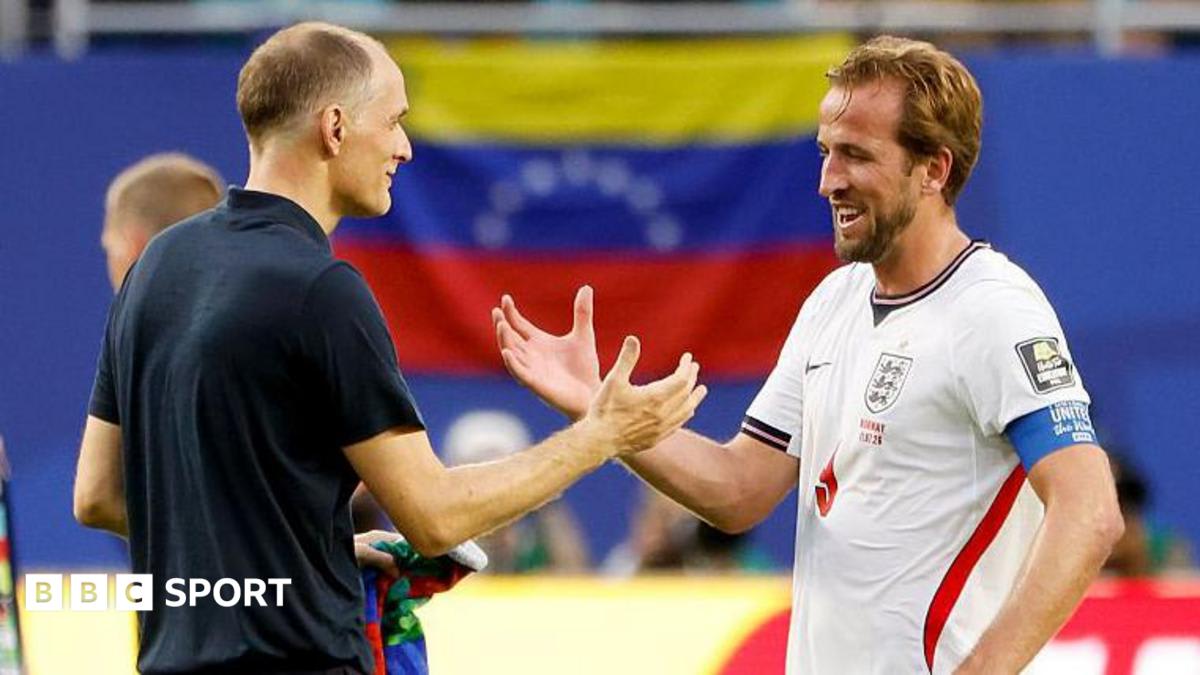
Captain Harry Kane says England "have another level we can reach" as they bid to win the World Cup for the first time since 1966.
Unity Amidst Pressure: Kane's Endorsement of the Tuchel Era
In a pivotal moment for the England national team, captain Harry Kane has stepped forward to defend manager Thomas Tuchel, signaling a strong bond of leadership as the squad prepares for their pursuit of World Cup glory. By stating that England "have another level we can reach," Kane is not merely offering a platitude but is attempting to manage the narrative surrounding Tuchel's perceived frustration. This public display of solidarity is crucial during a transitional phase where the expectations of a nation—burdened by the legacy of 1966—often create a pressure cooker environment for both players and coaching staff.
The Psychology of 'Frustration' and Perfectionism
Thomas Tuchel is widely recognized in the footballing world for his tactical rigor and a relentless pursuit of perfection, traits that often manifest as visible frustration when execution on the pitch does not match the blueprint on the training ground. Kane's intervention suggests that the squad views this frustration not as a sign of failure, but as a catalyst for growth. By framing the current state of the team as being below their true ceiling, Kane is aligning the players' ambitions with Tuchel's high standards, effectively turning the manager's exacting nature into a shared goal for the collective.
Breaking the 1966 Ceiling: Historical Context
For nearly six decades, the 1966 World Cup victory has stood as a lonely peak in English football history. Despite producing some of the most talented generations in recent years, England has consistently fallen short in the final hurdles of major tournaments. The mention of the 1966 drought in the context of Kane and Tuchel's partnership highlights the immense psychological weight the team carries. The "another level" Kane refers to is likely the mental fortitude required to navigate the knockout stages of a World Cup, a barrier that has historically proven insurmountable for the Three Lions.
Tactical Evolution and the 'Untapped Level'
From a technical perspective, the quest for this "another level" likely involves a shift toward a more flexible and dominant tactical approach. Tuchel's reputation for strategic versatility suggests that England is moving away from a rigid system toward one that can adapt mid-game. Kane, as the focal point of the attack, is essential in this evolution. His ability to drop deep and facilitate play, combined with Tuchel's structured pressing and defensive organization, could be the key to unlocking a level of consistency that England has lacked in previous campaigns.
The Role of the Captain as a Buffer
Harry Kane's role in this dynamic extends beyond his goal-scoring prowess; he is acting as the essential bridge between a demanding manager and a squad under intense scrutiny. When a manager is described as "frustrated," it can often lead to a rift in the dressing room or a loss of confidence among the players. By publicly defending Tuchel, Kane is neutralizing potential negativity and ensuring that the squad remains focused on the objective rather than the emotion. This leadership is vital for maintaining harmony during the grueling schedule of international qualifiers and tournament play.
Future Outlook: The Road to the World Cup
Looking ahead, the success of the Kane-Tuchel partnership will be measured by their ability to translate this optimism into tangible results. The trajectory suggests a team that is consciously aware of its shortcomings and is actively working to bridge the gap between being "contenders" and being "winners." If they can indeed reach this next level, the 2026 World Cup could represent the definitive end of England's long wait for global dominance, provided they can maintain the unity and tactical discipline currently being fostered.
Summary
Ultimately, Harry Kane's defense of Thomas Tuchel serves as a strategic alignment of leadership. By acknowledging the manager's frustration and framing it as a sign of untapped potential, Kane is fostering a culture of high expectations and resilience. As England looks to move past the shadow of 1966, the synergy between the captain's leadership and the manager's tactical ambition will be the deciding factor in whether they can finally reach the pinnacle of world football.