Bus cancelled 17 minutes before departure, passenger wins Rs 10,000 payout
Source Entity
Vineet Upadhyay
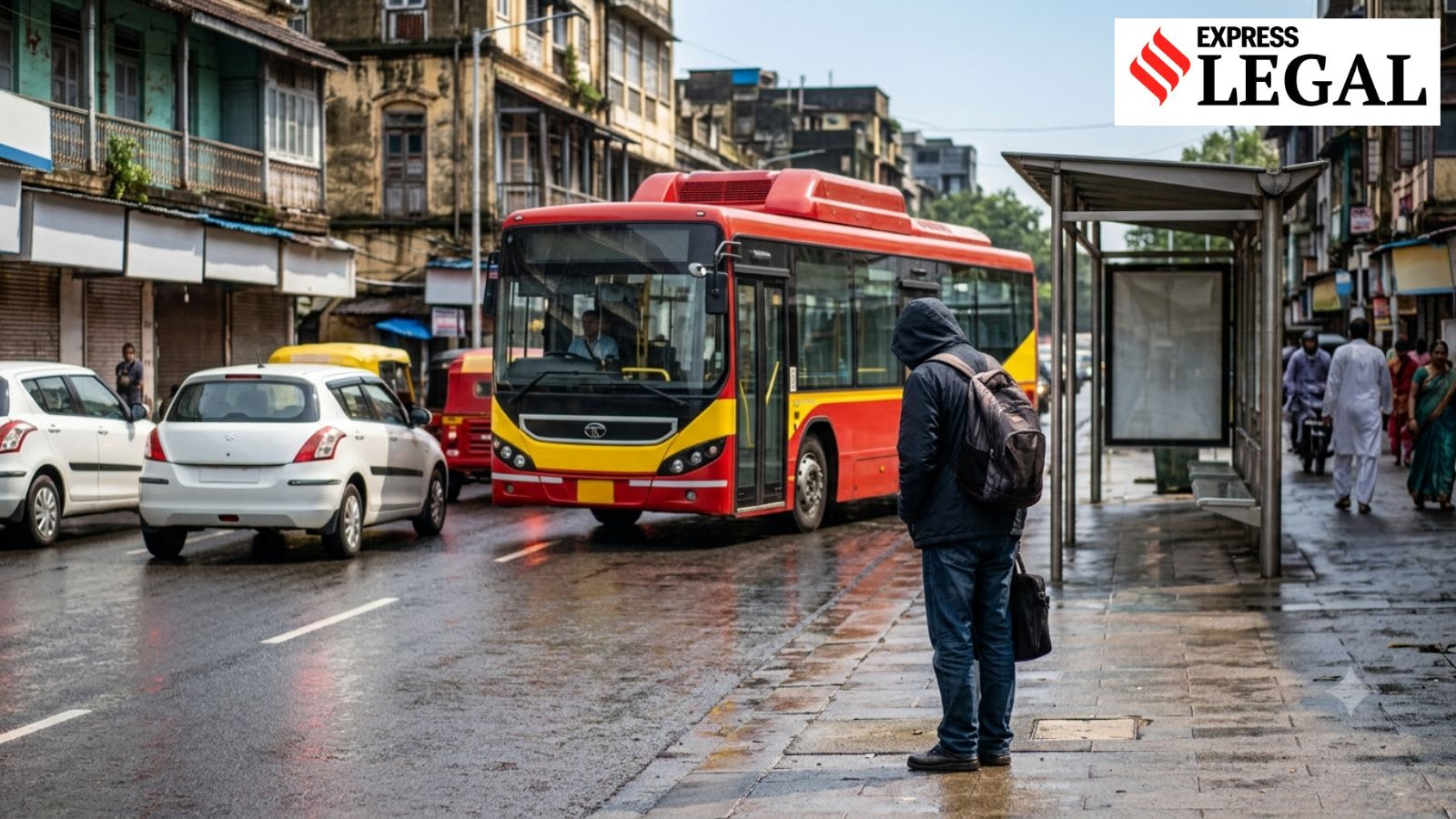
Just 17 minutes before a scheduled departure, a Himachal Pradesh passenger’s confirmed bus booking was cancelled, leaving him stranded at night and forcing him to take an emergency flight to Delhi. Ho...
Consumer Justice: The Cost of Last-Minute Service Failure
In a significant victory for passenger rights, a consumer in Himachal Pradesh has been awarded a payout of ₹10,000 following a gross deficiency in service by a transport provider. The incident centered on a confirmed bus booking that was abruptly cancelled a mere 17 minutes before the scheduled departure. This narrow window left the traveler stranded during the night, creating a situation of extreme distress and urgency that ultimately forced the passenger to secure an emergency flight to Delhi to reach his destination.
The Anatomy of a Service Failure
The timing of the cancellation—just 17 minutes prior to departure—is the critical factor in this case. In the transportation industry, a 'confirmed booking' constitutes a quasi-contractual agreement between the service provider and the customer. By cancelling the trip with almost no notice, the provider failed to meet the basic standard of care and reliability. For a traveler in a region like Himachal Pradesh, where geographic terrain can make alternative transport difficult to arrange quickly, being stranded at night introduces safety concerns alongside logistical nightmares. The decision to book an emergency flight highlights the desperation and the lack of viable immediate alternatives available to the passenger.
Legal Implications and Consumer Protection
This payout serves as a stark reminder of the power of consumer protection laws in India. The award of ₹10,000 is not merely a refund of the ticket price but a compensatory measure for the mental agony, inconvenience, and the additional financial burden incurred by the passenger. From a legal standpoint, this falls under 'deficiency in service.' When a company accepts payment and confirms a seat, it assumes the responsibility of providing that transport. The court's decision reinforces the principle that service providers cannot unilaterally terminate a contract at the eleventh hour without facing financial repercussions.
Broader Context of Regional Transport
Himachal Pradesh relies heavily on its bus network for both local commuting and tourism. Given the mountainous terrain, buses are often the only lifeline connecting remote areas to major hubs like Delhi. When these systems fail, the impact is magnified. This case underscores a growing tension between the digitalization of bookings—which promises efficiency—and the actual operational reliability of the fleets. As more passengers move toward online platforms, the expectation for real-time updates and professional communication increases; a 17-minute warning is an unacceptable failure of communication protocol.
Industry Trends and Future Outlook
This ruling is likely to push transport operators to implement better contingency plans and communication systems. We are seeing a trend where consumer courts are becoming less tolerant of 'operational glitches' as an excuse for service failure. In the future, we can expect a push toward mandatory insurance or standardized compensation policies for bus cancellations, similar to the regulations seen in the aviation sector. Operators will need to weigh the cost of occasional cancellations against the potential for legal payouts and damage to their brand reputation.
Conclusion
The resolution of this case provides a clear precedent: convenience for the operator does not override the rights of the consumer. By awarding ₹10,000, the authorities have signaled that the emotional and financial stress of being stranded is a quantifiable loss. This case encourages other passengers to seek redressal when faced with unfair treatment and compels transport agencies to prioritize reliability and transparency in their operations.