'Just crying' for lower rates: Homebuying and selling have picked up this year — barely
Source Entity
Yahoo Finance
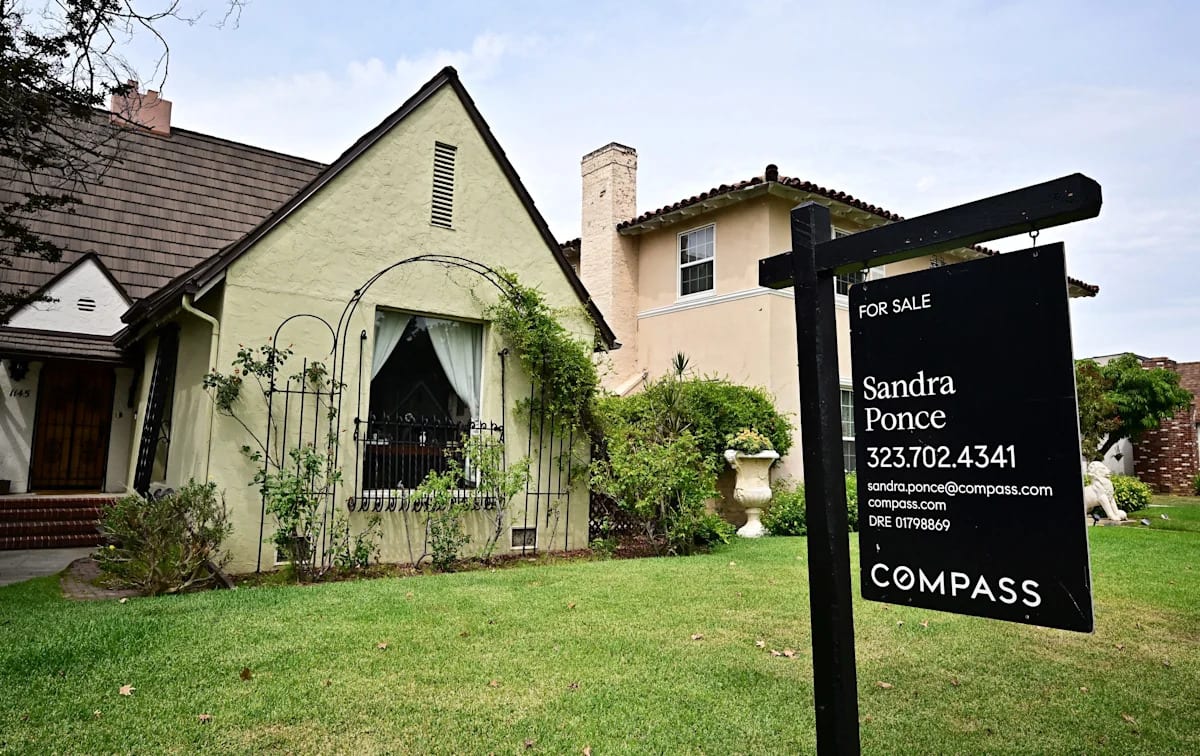
The traditional peak season for homebuying and selling is winding down after another underwhelming showing. For the fourth straight year, high home prices and elevated mortgage rates appear to have s...
The Great Housing Stagnation: Analysis of a Paralyzed Market
The residential real estate market is currently weathering a period of profound inertia. Despite the arrival of the traditional peak season—typically characterized by a surge in spring and summer activity—the latest data indicates that homebuying and selling have barely picked up. This trend marks the fourth consecutive year where the market has failed to reach its historical vibrancy, suggesting that the temporary shocks of the early 2020s have evolved into a structural stalemate. The core of the issue is a psychological and financial deadlock where both buyers and sellers are waiting for a catalyst that has yet to arrive.
The "Lock-In Effect" and Seller Hesitation
One of the primary drivers behind this underwhelming performance is the phenomenon known as the "lock-in effect." A significant portion of current homeowners secured mortgage rates at historic lows (often between 2% and 4%) during the pandemic era. With current rates remaining significantly elevated, these homeowners are financially disincentivized from selling. Moving to a new home would mean trading a low-interest loan for one that could potentially double their monthly interest expense, even if they are downsizing. This has effectively frozen the supply side of the market, as sellers choose to stay put rather than face a massive increase in their cost of borrowing.
The Affordability Crisis for Prospective Buyers
While sellers are locked in, buyers are being squeezed from two directions: high home prices and high mortgage rates. Historically, when rates rise, home prices tend to soften to maintain affordability. However, because the supply of homes is so constrained due to the lock-in effect, prices have remained stubbornly high. This creates a "double whammy" for the modern homebuyer. The monthly payment—the primary metric for most buyers—has skyrocketed, pushing homeownership out of reach for many first-time buyers and forcing others to settle for less than their desired property or remain in the rental market.
The Erosion of Seasonal Market Cycles
Traditionally, the real estate market follows a predictable seasonal rhythm, with activity peaking as families look to move before the new school year. The fact that this peak season is "winding down" with such underwhelming results indicates a breakdown in these traditional cycles. The market is no longer responding to seasonal demand because the financial barriers are too high to be overcome by simple timing. This suggests that the market is now driven almost exclusively by macroeconomic factors—specifically Federal Reserve policy and inflation—rather than the organic lifestyle drivers that once defined the spring and summer rush.
Broader Economic Implications
This stagnation has ripple effects across the broader economy. The real estate sector is a massive engine for ancillary spending; when people buy and sell homes, they spend on moving services, new furniture, landscaping, and home renovations. A prolonged period of low transaction volume leads to decreased revenue for these related industries. Furthermore, the lack of mobility in the housing market can hinder labor mobility, as workers may be unable or unwilling to move for better job opportunities if doing so means sacrificing a low-interest mortgage, potentially slowing overall economic productivity.
Predicting the Path Forward
Looking ahead, the market remains in a state of "crying for lower rates." Until there is a meaningful and sustained drop in mortgage rates, it is unlikely that a significant volume of inventory will be released by locked-in homeowners. If rates begin to trend downward, we may see a sudden "unlocking" of the market, leading to a surge in inventory. However, if rates remain elevated, the market will likely continue this trend of low volume and high prices, further widening the gap between homeowners and those struggling to enter the market.
Summary
In conclusion, the current housing market is characterized by a fragile equilibrium of low supply and dampened demand. The failure of the peak season to ignite activity highlights the severity of the affordability crisis and the power of the lock-in effect. Without a shift in the interest rate environment, the market is poised to remain in this state of underwhelming performance, fundamentally altering the traditional dynamics of American homeownership.