How Philips Hue got the smart home right
Source Entity
David Pierce
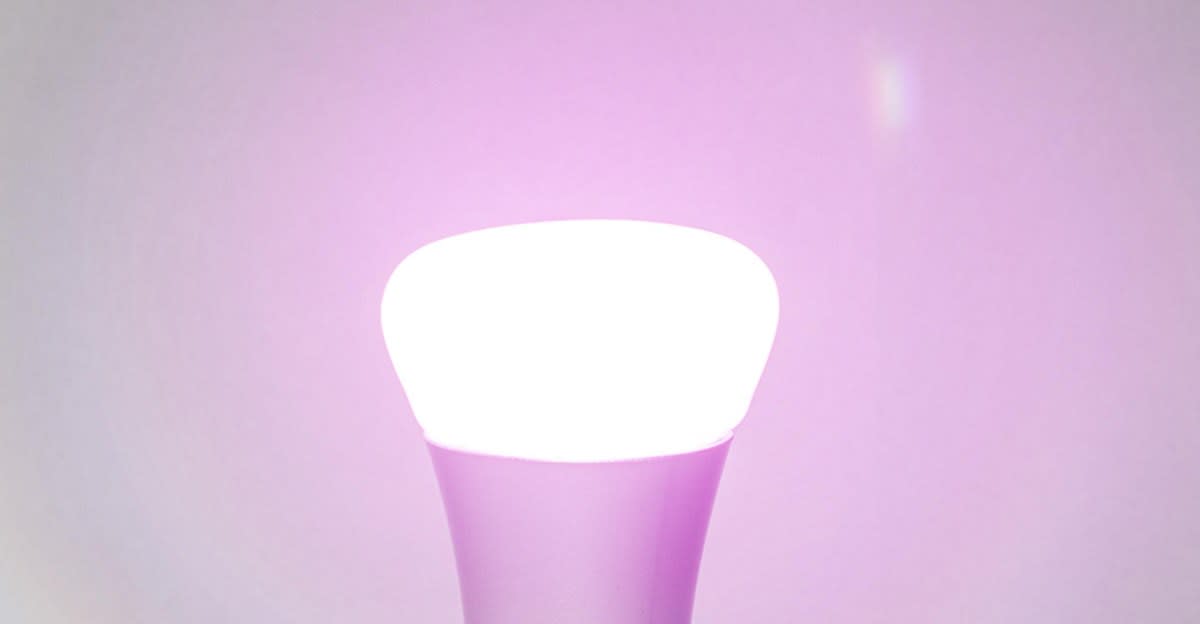
The state of the smart home can be frustrating, because it is just so obvious how things ought to work. You should be able to control everything from everywhere. Your spaces should adapt to what you're doing and how you're feeling. Making your home smart shouldn't require renovating, and the smarts should be mostly invisible. […]
The Philosophy of Seamless Integration: How Philips Hue Mastered the Smart Home
For years, the promise of the 'smart home' has been hampered by a significant gap between marketing hype and user reality. While the vision of a home that anticipates a resident's every need is compelling, the actual implementation has often been plagued by fragmented ecosystems, complex installation processes, and intrusive hardware. The provided text highlights that the state of the smart home is often frustrating because the ideal—universal control, adaptive environments, and invisible technology—seems obvious yet remains elusive for many consumers. In this landscape, Philips Hue has emerged as a primary example of a brand that "got it right" by prioritizing the user experience over mere technical capability.
Bridging the Gap Between Function and Friction
One of the most critical points raised is the frustration stemming from the lack of intuitive operation. In the early days of home automation, 'smart' often meant 'complicated,' requiring users to act as amateur network engineers just to dim a light. Philips Hue addressed this by focusing on the concept of 'invisible smarts.' By creating a system where the technology recedes into the background, Hue shifted the focus from the act of controlling a device to the result of the action. This approach minimizes the cognitive load on the user, ensuring that the technology serves the human, rather than requiring the human to adapt to the technology.
The Importance of Non-Invasive Implementation
A recurring barrier to smart home adoption has been the requirement for structural changes or extensive renovations. The text explicitly mentions that making a home smart should not require renovating. Philips Hue solved this problem by utilizing the existing lighting infrastructure of the home. By replacing bulbs rather than rewiring walls, they lowered the barrier to entry significantly. This 'plug-and-play' philosophy allowed users to scale their smart home incrementally—starting with a single room and expanding as they became comfortable—which is a far more sustainable growth model than requiring a total home overhaul from day one.
Emotional Intelligence and Adaptive Environments
Beyond mere convenience, the analysis touches upon the idea that spaces should adapt to what a user is doing and how they are feeling. This represents a shift from 'automation' (doing a task automatically) to 'ambient intelligence' (adjusting the environment based on context). Philips Hue leveraged the psychological impact of light—using color temperature and intensity to mimic circadian rhythms or create specific moods. By allowing the home to adapt to the emotional state of the inhabitant, Hue moved the smart home conversation from a utility-based discussion to a wellness-based one, providing tangible value in terms of mental health and productivity.
Strategic Positioning in a Fragmented Market
Historically, the smart home market has been a battleground of competing protocols (Zigbee, Z-Wave, Wi-Fi, Bluetooth). The frustration mentioned in the context often arises from these competing standards. Philips Hue's success can be attributed to its robust ecosystem approach. By utilizing a dedicated bridge (originally), they ensured stability and reduced the strain on home Wi-Fi networks, creating a reliable foundation that felt 'invisible' to the user. This stability is what allows the 'control everything from everywhere' promise to actually function without the constant crashes or latency issues that plague cheaper, less integrated alternatives.
Future Trends: Toward a Truly Invisible Home
Looking forward, the trajectory of the smart home will likely move toward the 'invisible' ideal mentioned in the text. With the emergence of standards like Matter and Thread, the interoperability that Philips Hue pioneered is becoming a baseline requirement. The future will likely see a move away from app-centric control toward proactive AI that adjusts lighting and environment without any manual input at all. However, the core lesson from the Philips Hue model remains: the most successful smart technology is that which disappears, leaving behind only the benefit of a perfectly adapted environment.
Summary
Philips Hue succeeded by recognizing that the smart home's greatest enemy is friction. By focusing on non-invasive installation, emotional adaptability, and an invisible technical layer, they transformed a frustrating technical challenge into a seamless lifestyle enhancement. Their approach proves that the key to home automation is not the complexity of the features, but the simplicity of the experience.