IDFC First Bank fraud: For his ‘help’, key accused funded Haryana official’s Dubai, Bangkok trips, luxury hotel stay
Source Entity
Sukhbir Siwach
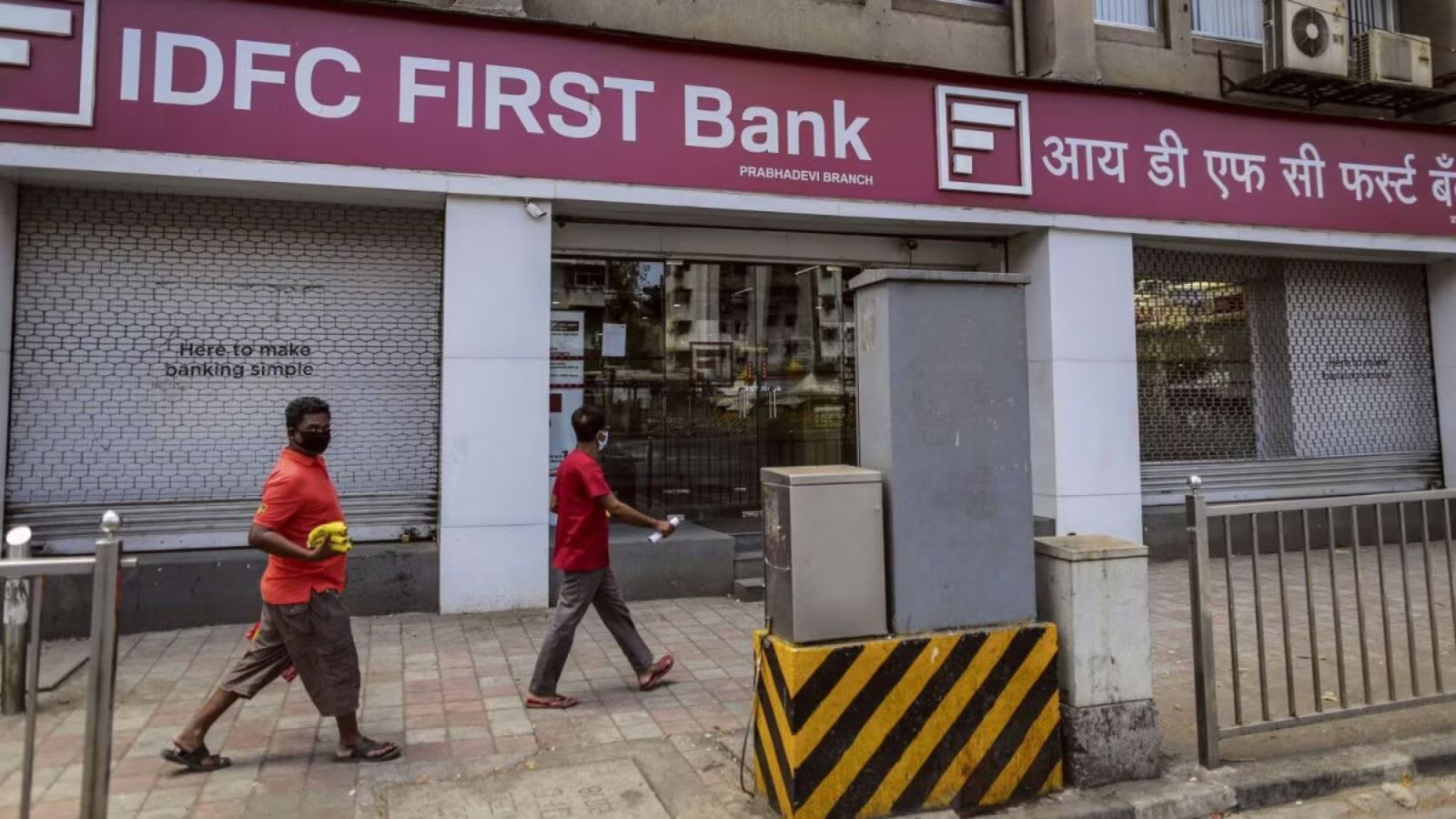
The CBI said that Ribhav Rishi, the then branch manager at IDFC First Bank, opened accounts of Haryana government departments without following the prescribed procedure. (File photo) The CBI, which i...
Analysis of the IDFC First Bank Fraud and Corruption Scandal
Introduction to the CBI Investigation
The Central Bureau of Investigation (CBI) has brought to light a significant case of financial irregularity and corruption involving IDFC First Bank and officials within the Haryana government. The core of the investigation centers on Ribhav Rishi, a former branch manager at the bank, who is accused of facilitating the opening of government department accounts through illicit means. This case is not merely a failure of internal banking controls but a classic example of a quid pro quo arrangement where corporate power and government authority intersected to bypass legal and regulatory frameworks.
Procedural Lapses in Account Opening
According to the CBI, the fraud was initiated when Ribhav Rishi opened accounts for various Haryana government departments without adhering to the "prescribed procedure." In the banking sector, especially when dealing with government entities, the Know Your Customer (KYC) and onboarding protocols are stringent to prevent the misappropriation of public funds. By bypassing these mandatory checks, Rishi created a vulnerability in the bank's operational security. This suggests a systemic failure at the branch level, where a single individual was able to override critical compliance safeguards, potentially allowing for the unauthorized movement or mismanagement of government capital.
The Mechanism of Bribery and Influence
A particularly egregious aspect of this case is the nature of the incentives provided to the Haryana government official. The CBI's findings reveal that the "help" received from the official was compensated with high-end luxury perks, including all-expenses-paid trips to Dubai and Bangkok, as well as stays at luxury hotels. This level of bribery indicates a calculated effort to secure a symbiotic relationship between the bank manager and the state bureaucracy. Such luxury inducements are often used in high-stakes corruption cases to ensure a level of loyalty and silence, ensuring that the official would overlook the procedural irregularities in the account-opening process.
Broader Implications for the Banking Sector
This incident underscores a critical risk within the Indian banking landscape: the susceptibility of branch-level management to engage in collusive fraud. When a branch manager—who is the primary gatekeeper of compliance—becomes the perpetrator, the bank's internal audit mechanisms are severely compromised. This case highlights the need for more robust, centralized monitoring of government account openings, reducing the autonomy of individual branch managers to prevent similar occurrences. It also raises questions about the efficacy of IDFC First Bank's internal oversight during the period in question.
The Government-Banking Nexus and Corruption
The involvement of a Haryana government official points to the persistent challenge of corruption within state administrative structures. The ease with which a bank official could "buy" the cooperation of a government representative suggests a lack of transparency in how government departments interact with financial institutions. This case serves as a reminder that the intersection of public administration and private banking is a high-risk zone for corruption, requiring stringent third-party audits and transparent reporting of all government-linked financial activities.
Legal Consequences and Future Trends
Moving forward, the CBI's pursuit of this case is likely to lead to stricter scrutiny of other government accounts held across various private banks. We can expect the Reserve Bank of India (RBI) to potentially issue tighter guidelines regarding the onboarding of state government entities to eliminate the possibility of branch-level discretion. For the accused, the legal ramifications will likely involve charges under the Prevention of Corruption Act and various sections of the Indian Penal Code related to fraud and cheating.
Conclusion
In summary, the IDFC First Bank fraud case is a stark illustration of how the circumvention of standard operating procedures, combined with high-value bribery, can lead to significant institutional risk. The funding of international luxury trips in exchange for administrative "help" reveals a deep-seated corruption that threatens the integrity of both the financial system and public governance. The resolution of this case will be pivotal in determining how banks and government bodies tighten their collaborative protocols to prevent future exploitation.