IIT Delhi, NatWest Group launch FinTech Frontier Program for research & startup collaboration
Source Entity
The Indian Express
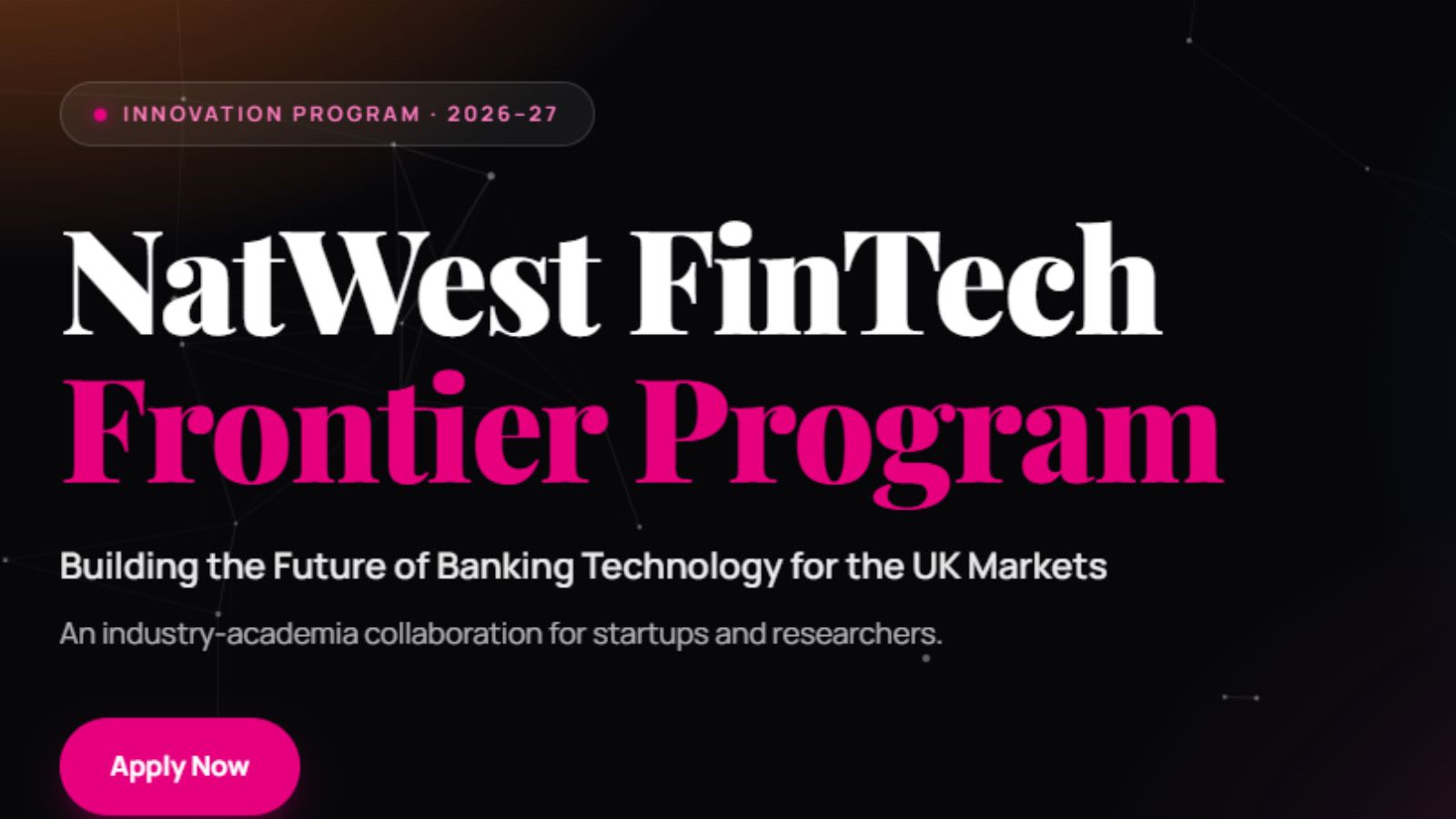
NatWest Group has partnered with the Foundation for Innovation and Technology Transfer (FITT), IIT Delhi, to launch the NatWest FinTech Frontier Program (NFFP), an industry-academia initiative aimed a...
Bridging the Gap: The NatWest FinTech Frontier Program
The announcement of the NatWest FinTech Frontier Program (NFFP), a strategic collaboration between the NatWest Group and the Foundation for Innovation and Technology Transfer (FITT) at IIT Delhi, marks a significant milestone in the intersection of academic research and commercial financial services. By aligning the intellectual capital of one of India's premier technical institutions with the operational expertise of a global banking giant, the NFFP aims to create a pipeline for high-impact financial technology innovations. This partnership is not merely a corporate sponsorship but a structural bridge designed to translate theoretical research into scalable, market-ready fintech solutions.
The Strategic Role of FITT and IIT Delhi
At the heart of this initiative is FITT, the technology business incubator at IIT Delhi. FITT has a long-standing reputation for fostering entrepreneurship and facilitating the transfer of technology from the lab to the marketplace. By integrating NatWest's industry requirements into the FITT ecosystem, the NFFP ensures that the research conducted by students and faculty is grounded in real-world financial challenges. This alignment prevents the common 'ivory tower' effect, where academic breakthroughs fail to find commercial application due to a lack of understanding of regulatory constraints or consumer behavior in the banking sector.
Addressing the Industry-Academia Divide
Historically, a significant divide has existed between the pace of academic research and the agility required by the fintech industry. While universities excel at long-term fundamental research, financial institutions require rapid deployment and iterative testing. The NFFP seeks to harmonize these two speeds. By creating a collaborative framework, NatWest can provide the necessary data, mentorship, and domain expertise, while IIT Delhi provides the computational power and algorithmic innovation. This synergy is critical for tackling complex problems such as fraud detection, algorithmic trading, and personalized banking experiences through AI and Machine Learning.
Contextualizing India's FinTech Explosion
This partnership arrives at a pivotal moment for India's financial landscape. With the success of the Unified Payments Interface (UPI) and the government's push toward a 'Digital India,' the country has become a global laboratory for financial inclusion and digital payments. The NFFP is positioned to leverage this momentum, tapping into a demographic of highly skilled engineers and a massive user base. By fostering startups through this program, NatWest is effectively positioning itself at the center of one of the world's fastest-growing fintech ecosystems, ensuring it stays competitive against both traditional banks and agile 'neobanks.'
Implications for Global Banking and Future Trends
For NatWest Group, this collaboration represents a broader trend of 'open innovation' where large corporations outsource a portion of their R&D to academic hubs to remain lean and innovative. Looking forward, we can expect the NFFP to focus on emerging trends such as Decentralized Finance (DeFi), Central Bank Digital Currencies (CBDCs), and sustainable 'Green Finance' tools. As regulatory frameworks around AI in finance evolve, the rigorous academic vetting provided by IIT Delhi will be invaluable in developing 'Responsible AI' that is transparent, fair, and compliant with international banking laws.
Conclusion: A Blueprint for Collaborative Innovation
In summary, the NatWest FinTech Frontier Program is a forward-thinking initiative that transcends traditional corporate-academic partnerships. By leveraging the strengths of FITT and NatWest, the program is poised to accelerate the development of next-generation financial tools that could redefine banking efficiency and accessibility. If successful, this model of deep-tech collaboration will likely serve as a blueprint for other global financial institutions seeking to innovate within the vibrant Indian technology landscape, ultimately benefiting the end consumer through more secure, efficient, and intuitive financial services.