Paw-sper economy: From kibble to birthday cakes - India's pets are living large
Source Entity
PRIYANKA JAISWAL
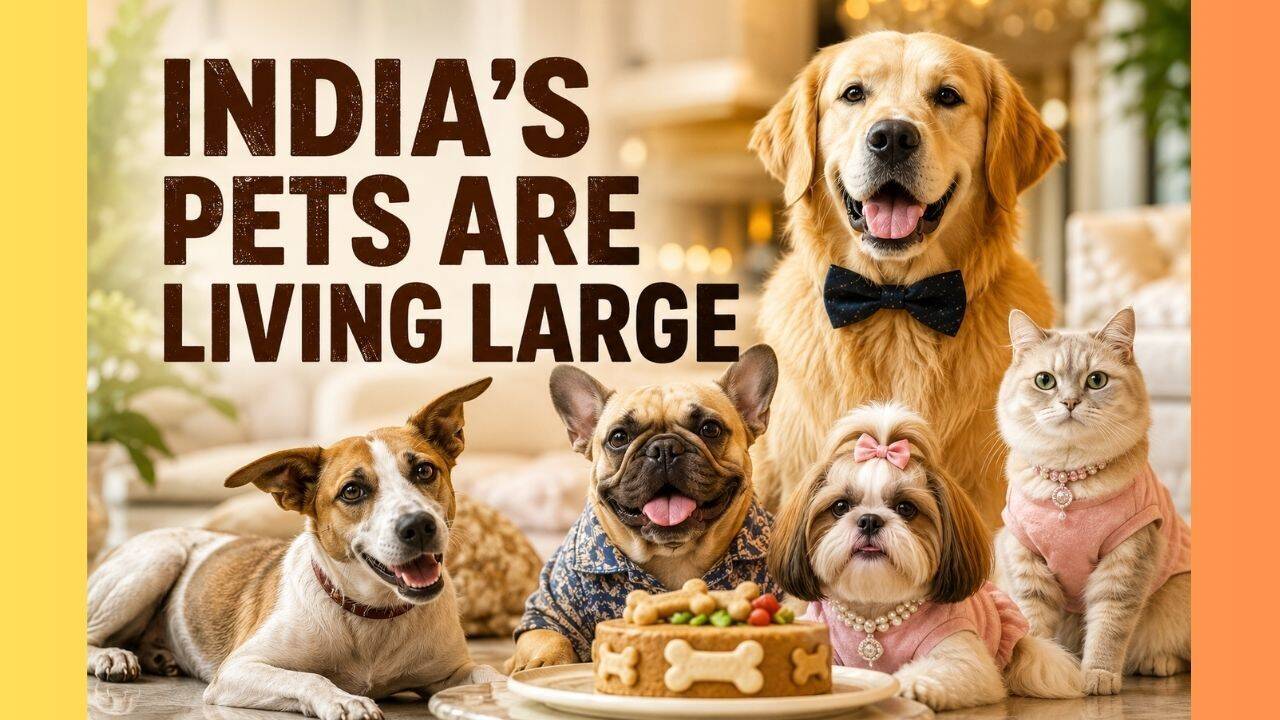
Paw-sper economy: From kibble to birthday cakes - India's pets are living large...
The Rise of the 'Paw-sper Economy' in India
India is currently experiencing a profound shift in how it perceives and cares for domestic animals, giving rise to what is being termed the 'paw-sper economy.' Traditionally, pets in Indian households—particularly dogs—were kept primarily for utility, such as guarding homes or livestock. However, there has been a systemic transition toward 'pet humanization,' where animals are treated as integral family members or 'fur babies.' This emotional evolution has triggered a massive economic ripple effect, transforming a niche market into a high-growth business sector.
From Basic Sustenance to Gourmet Luxury
The most visible marker of this economic shift is the transition in consumption patterns, moving from basic kibble to luxury goods like pet-specific birthday cakes. This indicates a move toward 'premiumization,' where pet owners are no longer satisfied with generic, mass-market nutrition. The demand for organic, grain-free, and customized diets reflects a broader trend in human wellness being mirrored in pet care. The emergence of pet bakeries and gourmet treat shops signifies that spending is no longer driven by necessity, but by the desire to provide an enriched, celebratory lifestyle for pets.
Socio-Economic Drivers of the Pet Boom
Several critical factors are fueling this growth. The rise of nuclear families and a growing number of urban professionals living alone have led many to seek companionship in pets. Additionally, the post-pandemic era saw a surge in pet adoptions as people struggled with isolation, cementing the bond between owners and their animals. With the expansion of the Indian middle class and an increase in disposable income, pet parents are now more willing to allocate a significant portion of their monthly budget to non-essential pet luxuries, creating a resilient revenue stream for entrepreneurs in the pet space.
The Expansion of the Pet Care Ecosystem
Beyond food and treats, the 'paw-sper economy' is fostering a comprehensive service ecosystem. We are seeing a proliferation of specialized services that were virtually non-existent a decade ago, such as professional pet grooming salons, pet hotels (boarding), and specialized veterinary clinics focusing on geriatric pet care. The integration of health and wellness—ranging from pet physiotherapy to behavioral training—shows that the market is maturing. This diversification allows the industry to capture value across the entire lifecycle of the pet, from puppyhood to senior years.
Future Trends: Tech-Integration and Sustainability
Looking ahead, the Indian pet care market is poised for further disruption through technology and sustainability. The next phase of growth will likely involve 'Pet-Tech,' including wearable health trackers, automated feeders, and AI-driven veterinary diagnostics. Furthermore, as Indian consumers become more environmentally conscious, there will likely be a surge in demand for sustainable pet products, such as biodegradable toys and insect-based proteins to reduce the carbon footprint of pet food. This evolution will likely attract more venture capital, leading to the scaling of homegrown pet-care startups into national brands.
Conclusion
In summary, the transition from 'kibble to birthday cakes' is not merely a quirky trend but a reflection of a deep-seated sociological change in India. The 'paw-sper economy' represents a convergence of increased wealth, urban loneliness, and a shift in emotional intelligence regarding animal welfare. As the market continues to professionalize and premiumize, it will remain a key driver of growth within the broader consumer discretionary spending sector in India.