‘Gambhir has certain favourite players’: India batter questions T20I squad selections
Source Entity
The Indian Express
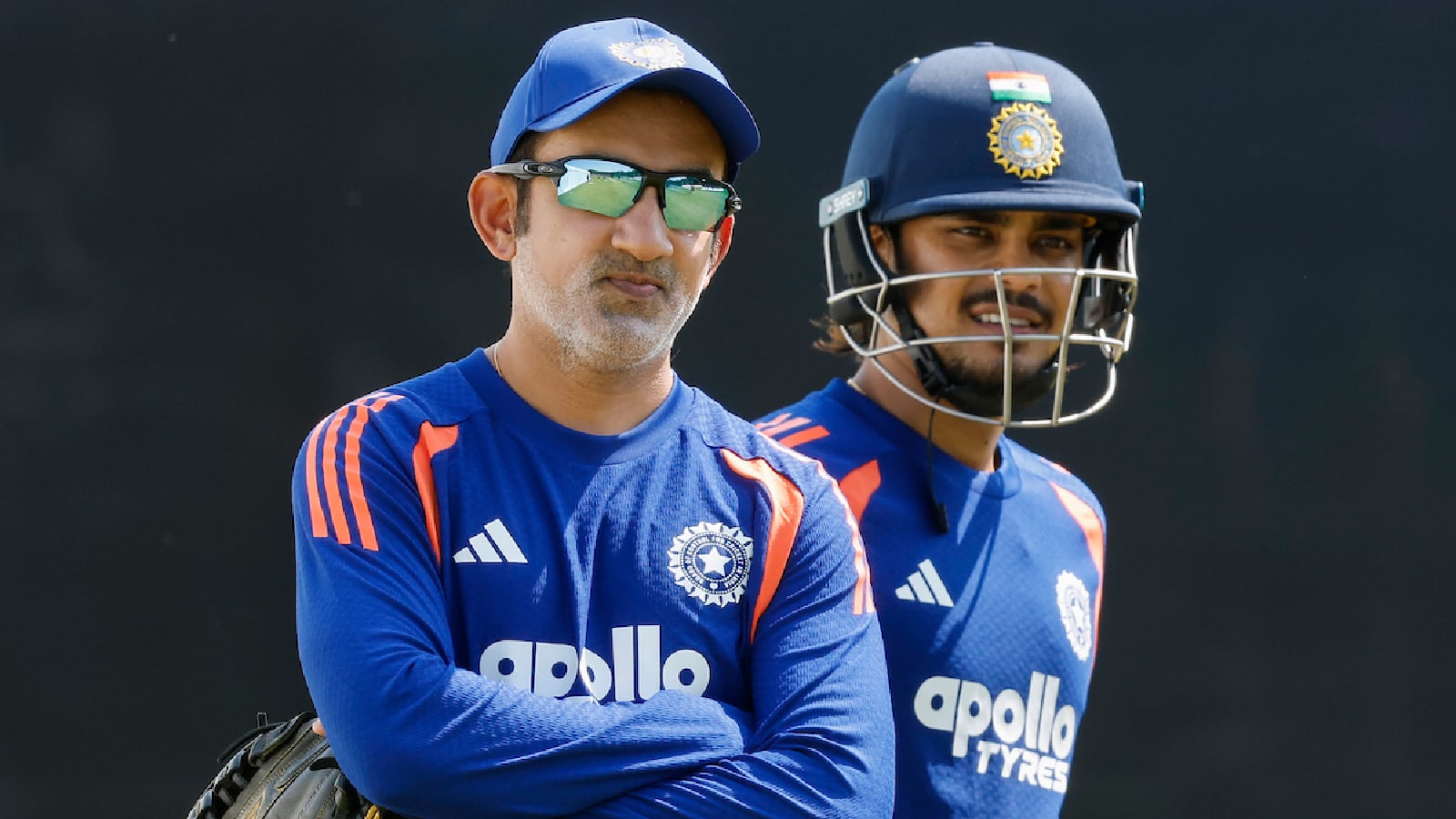
India’s abject surrender in the T20I series in Ireland and England, losing six of the seven matches on tour, has surfaced widespread criticism of head coach Gautam Gambhir and the team management’s se...
Internal Strife Amidst On-Field Failure: Analyzing India's T20I Crisis
India's recent T20I excursions to Ireland and England have culminated in a sporting disaster, with the team suffering six defeats across seven matches. This dismal run is not merely a statistical slump but has triggered a crisis of confidence within the camp. The situation reached a boiling point when an unnamed Indian batter openly questioned the selection criteria employed by head coach Gautam Gambhir, suggesting that the squad composition is driven by personal preferences rather than objective form or merit.
The Performance Gap and Strategic Failure
Losing six out of seven matches in T20 internationals is an uncharacteristic collapse for a side that typically dominates the shortest format of the game. The failure in Ireland and England suggests a profound misalignment between the team's strategy and the conditions encountered. Whether it was a failure to adapt to the swinging conditions in England or an underestimation of the Irish challenge, the results indicate a systemic breakdown. When performance plummets this sharply, the focus naturally shifts from the players' execution to the management's blueprint, placing Gautam Gambhir under intense scrutiny.
The 'Favorite Players' Allegation
The most damaging aspect of this controversy is the allegation that Gambhir has 'certain favorite players.' In professional sports, the perception of bias is often as destructive as actual bias. If players believe that their path to the starting XI is blocked not by a lack of skill, but by a lack of favor with the head coach, it erodes the meritocratic foundation of the team. This sentiment suggests a disconnect between the coaching staff and the broader player pool, potentially leading to a fragmented dressing room where competition is viewed as unfair.
Gambhir's Coaching Philosophy vs. Results
Gautam Gambhir is known for his uncompromising, aggressive, and often polarizing approach to the game. While this intensity can drive a team to victory, it can also create friction if the results do not justify the methods. The current crisis puts Gambhir's philosophy to the test: is his insistence on specific player archetypes or loyalties hindering the team's ability to field the most competitive side? The contrast between his high expectations and the abject surrender on the field has created a vacuum of authority that players are now beginning to fill with public criticism.
Implications for Team Morale and Stability
Publicly questioning the head coach is a rare and drastic move in the Indian cricket ecosystem, which typically prizes discretion and unity. This indicates that the frustration within the squad has surpassed a manageable threshold. When players feel the need to voice grievances regarding selection, it signals a breakdown in communication between the management and the athletes. This instability can lead to a cycle of poor performance, as players may play with hesitation or resentment, further compounding the team's losses.
Future Outlook and the Need for Transparency
Moving forward, the Indian team management must address these allegations with transparency to prevent a full-scale revolt. To regain the trust of the players and the fans, the selection process for future T20I series must be clearly articulated and based on quantifiable data and performance metrics. If the 'favorites' narrative persists, it will overshadow any tactical improvements Gambhir attempts to implement. The road to recovery will require not just a change in on-field tactics, but a cultural shift toward inclusivity and objective evaluation within the squad.
Summary
India's disastrous T20I tour of Ireland and England has exposed deep-seated issues within the team's leadership. The combination of overwhelming losses and allegations of selection bias against Gautam Gambhir has created a volatile environment. For India to return to its winning ways, the management must bridge the gap between the coaching staff and the players, ensuring that meritocracy prevails over perceived favoritism.