Indian Railways rules: How to book train coach for marriage, tour or group travel
Source Entity
Anish Mondal
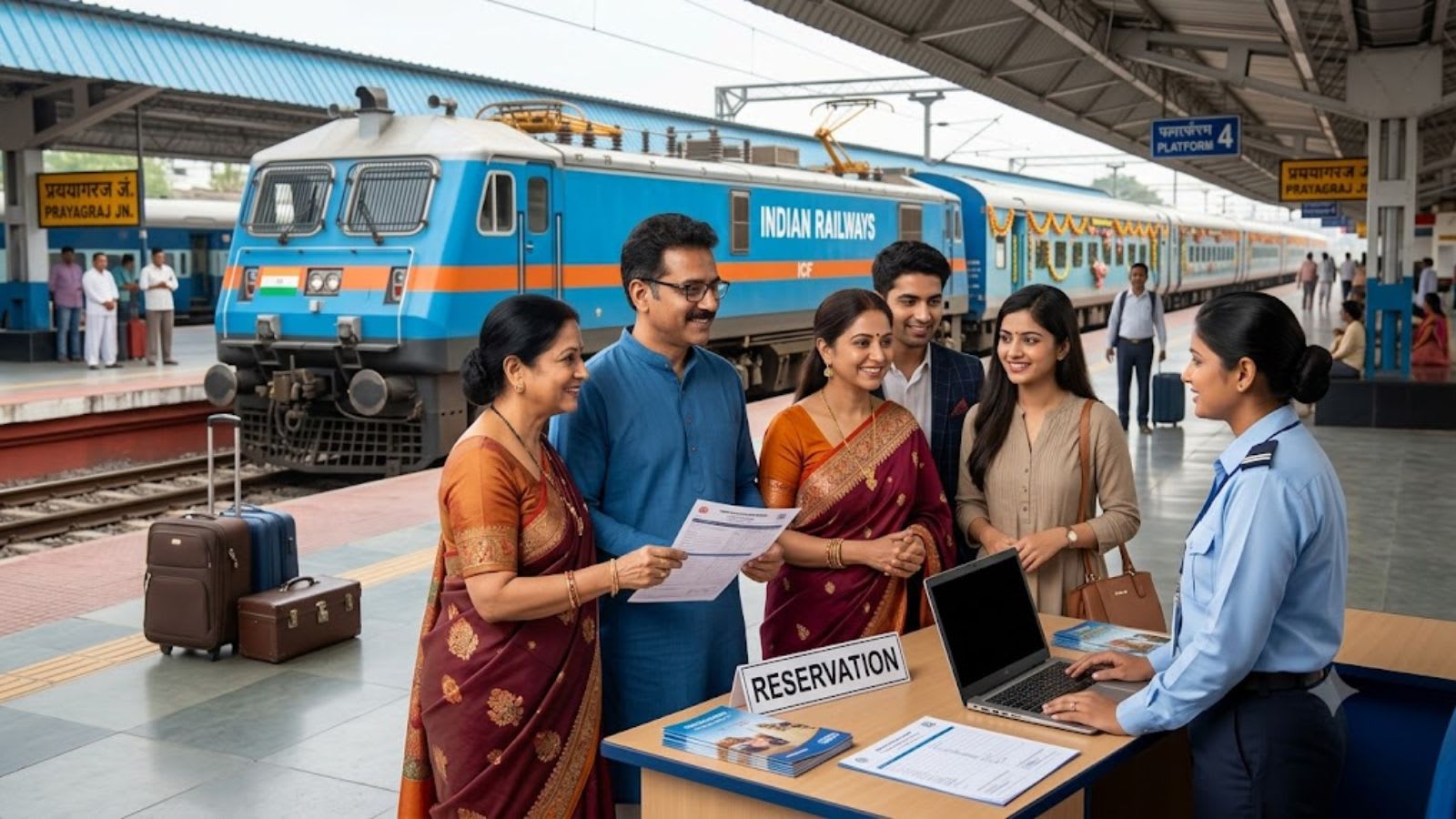
Indian Railways coach booking rules: Indian Railways (IR) allows passengers to book an entire train or a coach for special occasions such as marriages, tours and group travel through its Full Tariff R...
Understanding the Full Tariff Rate (FTR) System in Indian Railways
Indian Railways (IR), one of the largest rail networks in the world, provides a unique service that allows passengers to move beyond individual seat bookings to the chartering of entire coaches or even full trains. This is facilitated through the Full Tariff Rate (FTR) system. Unlike standard bookings where a passenger pays for a specific berth or seat, FTR requires the charterer to pay the full cost of all seats in the coach or train, regardless of whether every seat is occupied. This transforms a public transport vehicle into a private venue, catering to high-capacity group needs.
Logistics and Use Cases for Group Travel
The primary appeal of booking an entire coach lies in the logistical convenience it offers for large-scale social gatherings. In the context of Indian culture, where weddings often involve hundreds of guests traveling from various cities, a dedicated coach ensures that the wedding party remains together, simplifying coordination and enhancing the celebratory atmosphere. Beyond marriages, this service is frequently utilized for corporate retreats, religious pilgrimages, and organized tourism. By securing a full coach, groups avoid the uncertainty of the waiting-list system and ensure a guaranteed, cohesive travel experience.
Economic Implications for Indian Railways
From a business perspective, the FTR model is a strategic tool for Indian Railways to maximize revenue. By selling entire blocks of inventory at a premium (the full tariff), the railways ensure guaranteed income for those specific coaches without the administrative overhead of managing hundreds of individual PNRs. This model allows the railway administration to optimize the use of its rolling stock. It essentially creates a B2B or luxury B2C segment within a system that is primarily designed for mass transit, allowing the government to monetize the infrastructure through high-value, specialized charters.
Comparative Analysis: FTR vs. Standard Booking
When comparing FTR to standard ticket booking, the difference is fundamentally one of exclusivity versus accessibility. Standard bookings are subject to the volatility of demand and the complexities of the quota system (General, Tatkal, etc.). In contrast, an FTR booking provides a level of certainty and privacy that is otherwise unavailable. The charterer gains control over the environment, making it suitable for events where privacy and security are paramount. However, the financial barrier is significantly higher, as the cost is calculated based on the total capacity of the coach, making it a luxury service compared to the economy-focused nature of typical rail travel.
Future Trends in Private Rail Chartering
Looking forward, it is likely that Indian Railways will further digitize the FTR booking process to make it more transparent and accessible. As the demand for "experiential travel" grows, we may see the introduction of more specialized themed coaches for tours, potentially integrating catering and hospitality services directly into the charter package. The integration of AI-driven demand forecasting could also allow the railways to offer dynamic pricing for FTR bookings, lowering costs during off-peak seasons to encourage more group tours and corporate travel, thereby ensuring that trains rarely run with empty capacity.
Conclusion
The ability to book entire coaches via the Full Tariff Rate system highlights the versatility of Indian Railways in balancing its role as a public utility with the need for commercial viability. By catering to marriages and large group tours, the railways provide a critical service for social cohesion and large-scale logistics while securing a stable revenue stream. This system remains a vital intersection of cultural tradition and infrastructure management in India.