Iran will dominate Middle East if US fails to topple Mojtaba Khamenei: HT decodes
Source Entity
Latest News: Today's Latest News Headlines from India & World | Hindustan Times | Hindustan Times
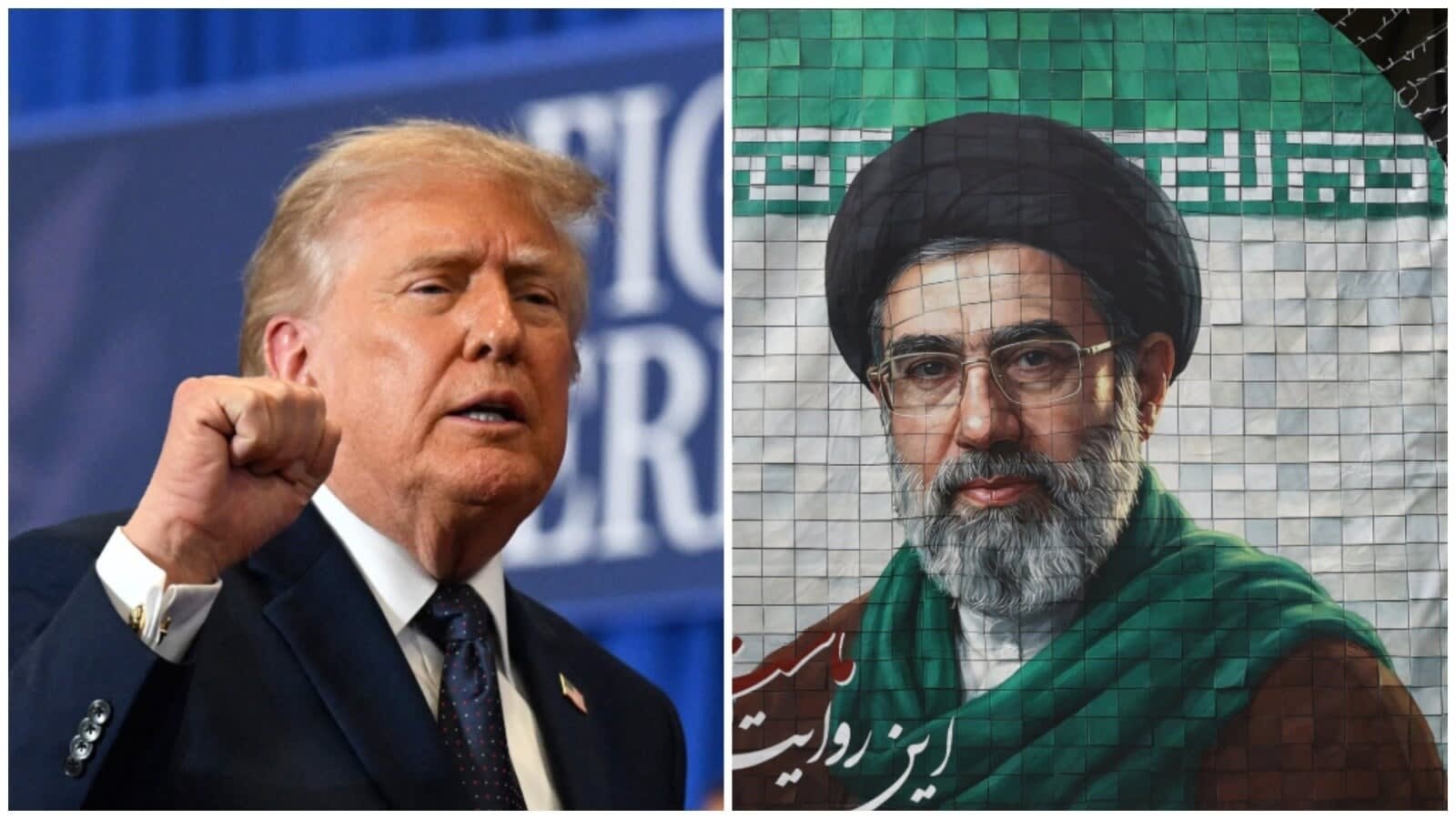
Iran spotted a weakness in Donald Trump's political will and dragged out talks without making any concessions.
The Geopolitical Stakes: Iran's Ambitions and the US Response
The geopolitical landscape of the Middle East is currently defined by a high-stakes struggle for regional hegemony, with the Islamic Republic of Iran emerging as a primary challenger to traditional US influence. A recent analysis indicates that the failure of the United States to effectively neutralize or 'topple' the influence of Mojtaba Khamenei—the son of Supreme Leader Ali Khamenei—could pave the way for Iran to establish an uncontested dominance over the region. This scenario suggests that the transition of power within the Iranian leadership is not merely an internal matter but a critical pivot point for global security and stability.
The Strategic Significance of Mojtaba Khamenei
Mojtaba Khamenei is widely viewed as a key figure in the succession line for the Iranian Supreme Leadership. His rise represents more than just dynastic continuity; it symbolizes a commitment to the hardline ideological framework of the Islamic Republic. By focusing on Mojtaba, analysts highlight that the US must look beyond the current aging leadership to the next generation of decision-makers. If the US fails to create a strategic environment that discourages the ascent of such hardline figures, it risks facing a more aggressive and digitally savvy Iranian leadership that is fully committed to expanding the 'Axis of Resistance' across the Levant and the Arabian Peninsula.
Analyzing the 'Weakness' in US Political Will
One of the most critical points of this analysis is the assertion that Iran has successfully spotted and exploited weaknesses in US political will. Specifically, the report references the era of Donald Trump, where despite the implementation of a 'Maximum Pressure' campaign, Iran managed to drag out diplomatic talks without offering significant concessions. This suggests a tactical victory for Tehran, which recognized that the US administration's appetite for direct military conflict was limited, regardless of the rhetoric. This pattern of 'strategic patience' allowed Iran to maintain its core interests while the US struggled to translate economic sanctions into tangible behavioral changes in the Iranian regime.
Regional Implications and the Proxy Network
Iran's path to dominance is not predicated on conventional military conquest but on the sophisticated use of proxy networks. From Hezbollah in Lebanon to the Houthis in Yemen and various militias in Iraq and Syria, Tehran has built a sophisticated architecture of influence. If the US remains indecisive or fails to counter the ideological drive of leaders like Mojtaba Khamenei, these proxies will likely become more integrated and powerful. This would effectively create a 'land bridge' from Tehran to the Mediterranean, fundamentally altering the balance of power and threatening the security of traditional US allies, including Saudi Arabia and Israel.
Historical Context: The Cycle of Engagement and Pressure
To understand the current tension, one must look at the historical cycle of the Joint Comprehensive Plan of Action (JCPOA) and the subsequent US withdrawal. The shift from the Obama administration's diplomacy to Trump's sanctions, and then to the Biden administration's attempts at cautious re-engagement, has created a perceived inconsistency in US foreign policy. Iran has historically thrived in environments of US ambiguity. By exploiting these shifts, the Iranian leadership has learned how to navigate international pressure while continuing its nuclear ambitions and regional expansion, viewing US political volatility as a strategic asset.
Future Trends and Predictive Outlook
Looking forward, the trajectory of the Middle East will likely depend on whether the US can develop a consistent, long-term strategy that transcends individual presidential administrations. If the US continues to operate on a four-to-eight-year cycle of fluctuating policies, Iran will continue to outmaneuver it. We can expect Iran to further consolidate its influence in Iraq and Syria while testing the limits of US resolve in the Persian Gulf. The critical window for the US is the period leading up to the eventual succession of the Supreme Leader; failing to influence this transition or weaken the viable candidates like Mojtaba Khamenei may result in a permanent shift toward an Iranian-led regional order.
Summary
In conclusion, the risk of Iranian dominance in the Middle East is tied directly to the intersection of Iranian leadership succession and the perceived instability of US political will. The ability of figures like Mojtaba Khamenei to maintain the regime's hardline trajectory, coupled with a US approach that has historically been seen as inconsistent, creates a dangerous vacuum. Without a cohesive and enduring strategy to counter the next generation of Iranian leadership, the US may find its influence in the region significantly diminished.
Verification Required?