From 200-year-old tradition to Rs 100-crore footwear business: Jodhpuri Mojari’s journey to global recognition
Source Entity
Parul Kulshrestha
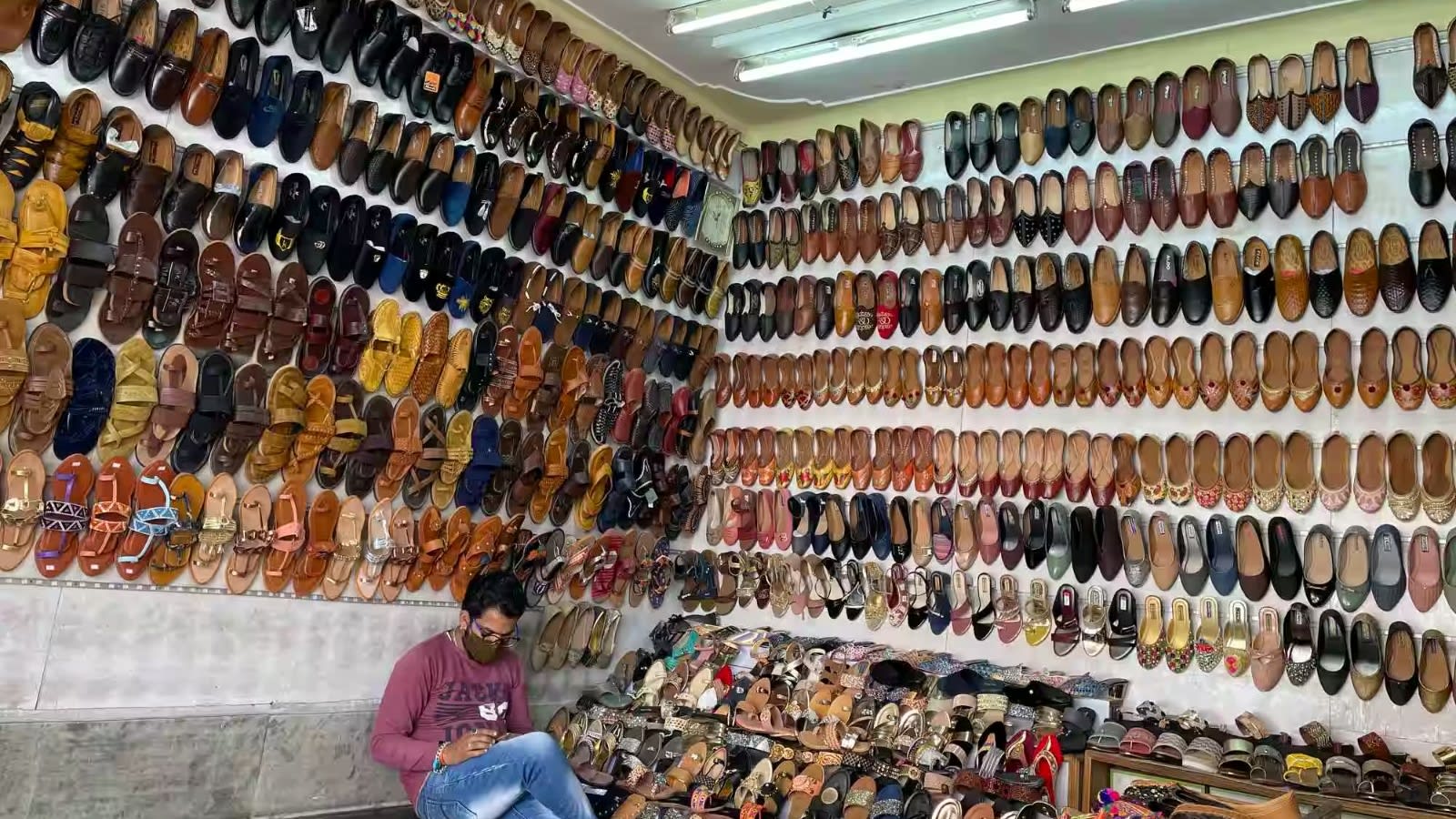
The domestic market for Jodhpuri Mojari is estimated to be around ₹100 crore, while exports are worth about ₹10 crore. Industry experts believe the GI tag could boost exports and double the business w...
The Economic Evolution of Jodhpuri Mojaris: From Royal Heritage to Global Commerce
The transition of the Jodhpuri Mojari from a localized, 200-year-old artisanal tradition to a commercial powerhouse valued at ₹100 crore domestically represents a significant intersection of cultural preservation and economic scaling. Historically, these handcrafted leather shoes were symbols of status and nobility in the courts of Rajasthan, characterized by their unique stitching and aesthetic appeal. Today, the craft has moved beyond the confines of royal patronage to become a viable business model that sustains hundreds of local artisans while appealing to a modern consumer base that values heritage and authenticity.
Analyzing the Market Disparity: Domestic vs. Export
A critical analysis of the current financial data reveals a stark contrast between the domestic market, estimated at ₹100 crore, and the export market, which stands at a modest ₹10 crore. This disparity suggests that while there is strong internal demand within India—driven by weddings, festivals, and a growing interest in ethnic wear—the product has yet to fully penetrate the global luxury footwear market. The current export figure indicates that Jodhpuri Mojaris have been largely traded through informal channels or small-scale boutiques, missing out on the structured global supply chains that drive high-volume international sales.
The Strategic Impact of the GI Tag
The introduction of the Geographical Indication (GI) tag is the pivotal catalyst expected to bridge this gap. A GI tag acts as a certification of origin, ensuring that only footwear produced in the specific region using traditional methods can be marketed as 'Jodhpuri Mojaris.' From a business perspective, this provides a powerful tool against counterfeiting and mass-produced imitations that often flood the market. By establishing a legal framework for authenticity, producers can command premium pricing in international markets, transforming the product from a generic ethnic shoe into a protected luxury brand.
Global Recognition and Market Expansion
Industry experts anticipate that the GI tag will not only protect the craft but effectively double the business volume. In the global luxury market, consumers are increasingly drawn to 'story-driven' products with proven provenance. By leveraging the 200-year history of the Mojari, exporters can now market the product as an authentic piece of Indian heritage. This strategic positioning is likely to attract high-end fashion houses and boutique retailers in Europe and North America, where there is a growing appetite for sustainable, handcrafted leather goods that offer an alternative to industrial fast-fashion.
Future Trends and Sustainability
Looking ahead, the trajectory of the Jodhpuri Mojari business is likely to be influenced by the rise of e-commerce and direct-to-consumer (D2C) models. As the GI tag provides the necessary trust signal for online buyers, the industry can bypass traditional middlemen, thereby increasing the profit margins for the actual artisans. Furthermore, as global trends shift toward slow fashion and ethical production, the traditional handmade nature of the Mojari aligns perfectly with contemporary consumer values, suggesting a long-term growth curve that extends beyond a temporary trend.
Conclusion: A Blueprint for Heritage Scaling
In summary, the journey of the Jodhpuri Mojari illustrates how traditional craftsmanship can be successfully scaled into a modern business enterprise without losing its cultural soul. The shift from a ₹10-crore export market to a potentially doubled valuation underscores the importance of intellectual property protections like the GI tag in the global economy. By anchoring commercial growth in historical authenticity, Jodhpur is creating a sustainable economic ecosystem that honors its past while aggressively pursuing a global future.