Standard KAVACH commissioned on Solapur–Wadi section of Central Railway
Source Entity
India Latest News: Top National Headlines Today & Breaking News | The Hindu
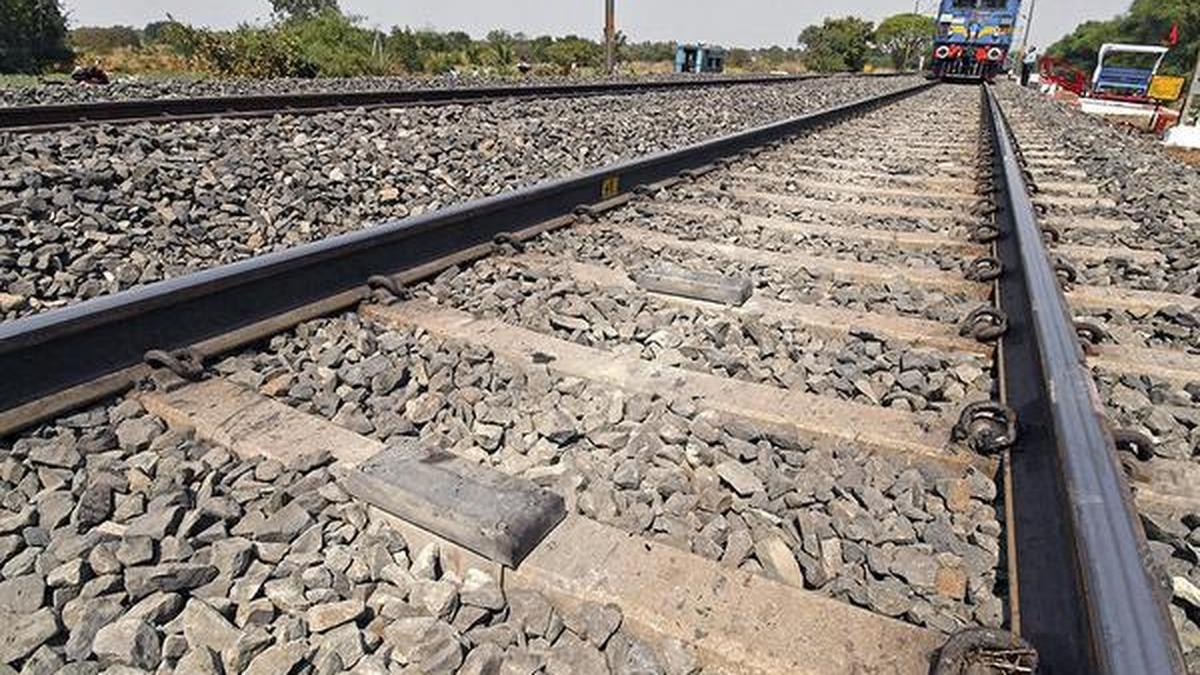
149.476-km Solapur–Wadi route becomes first in the Solapur Division of Central Railway to get indigenous train protection system
Enhancing Rail Safety: The Implementation of KAVACH on the Solapur–Wadi Section
In a significant stride toward augmenting passenger safety and operational reliability, the Central Railway has officially commissioned the KAVACH train protection system on the 149.476-km Solapur–Wadi section. This milestone is particularly noteworthy as it represents the first time the Solapur Division has integrated this indigenous technology into its infrastructure. The deployment of KAVACH on this specific route underscores a broader strategic shift within the Indian Railways to transition from traditional, human-dependent signaling to an automated, fail-safe environment.
Understanding the KAVACH Ecosystem
KAVACH is an advanced Automatic Train Protection (ATP) system developed indigenously in India. At its core, the system utilizes a combination of RFID (Radio Frequency Identification) tags placed on the tracks, onboard equipment in the locomotives, and station-based controllers. By creating a continuous communication loop between the train and the track, KAVACH can monitor the speed of the locomotive and the status of signals in real-time. If a loco pilot fails to respond to a stop signal or exceeds the permissible speed limit, the system is designed to automatically apply the brakes, thereby preventing potential disasters.
Mitigating Human Error and SPAD
One of the primary objectives of installing KAVACH on the Solapur–Wadi route is the elimination of Signal Passing at Danger (SPAD). Historically, rail accidents have frequently been attributed to human error, such as driver fatigue or visibility issues during inclement weather, leading to trains overshooting signals. By implementing an automated override, KAVACH ensures that a train cannot enter a block section if the signal is red, effectively neutralizing the risk of head-on collisions and rear-end crashes. This layer of redundancy is critical for maintaining high-density traffic on the Central Railway network.
Strategic Alignment with 'Make in India'
The deployment of this system is not merely a technical upgrade but a manifestation of the 'Atmanirbhar Bharat' (Self-reliant India) and 'Make in India' initiatives. By developing an indigenous ATP system rather than relying solely on expensive European standards like the European Train Control System (ETCS), India has created a cost-effective, scalable solution tailored to the specific complexities of the Indian rail landscape. The Solapur–Wadi commissioning serves as a proof-of-concept for the scalability of home-grown safety tech across diverse terrains and divisions.
Infrastructure Implications for the Solapur Division
The 149.476-km stretch between Solapur and Wadi is a vital artery for regional connectivity. The integration of KAVACH here allows for more precise train movements and can potentially lead to an increase in sectional capacity. When trains are protected by an automated system, the margin of error is reduced, allowing for tighter scheduling and improved punctuality without compromising safety. This implementation sets a precedent for other sections within the Solapur Division, providing a blueprint for future rollouts.
Future Trends in Indian Rail Safety
Looking forward, the commissioning on the Solapur–Wadi section is expected to be part of a massive nationwide expansion. The Indian government has signaled its intent to cover high-density corridors and accident-prone zones with KAVACH as a priority. As the technology matures, we can expect the integration of AI-driven predictive maintenance and more sophisticated real-time tracking, further reducing the reliance on manual intervention and moving toward a fully digitized rail corridor.
Conclusion
The commissioning of KAVACH on the Solapur–Wadi route is a landmark achievement for the Central Railway. By blending indigenous technological innovation with critical infrastructure upgrades, the Solapur Division has significantly lowered the risk of catastrophic accidents. This move not only protects thousands of daily commuters but also reinforces India's position as a leader in developing affordable, high-tech solutions for large-scale public transportation safety.
Verification Required?