Doctor who flagged equipment shortage lauds Kerala government’s move to end floor treatment
Source Entity
India Latest News: Top National Headlines Today & Breaking News | The Hindu
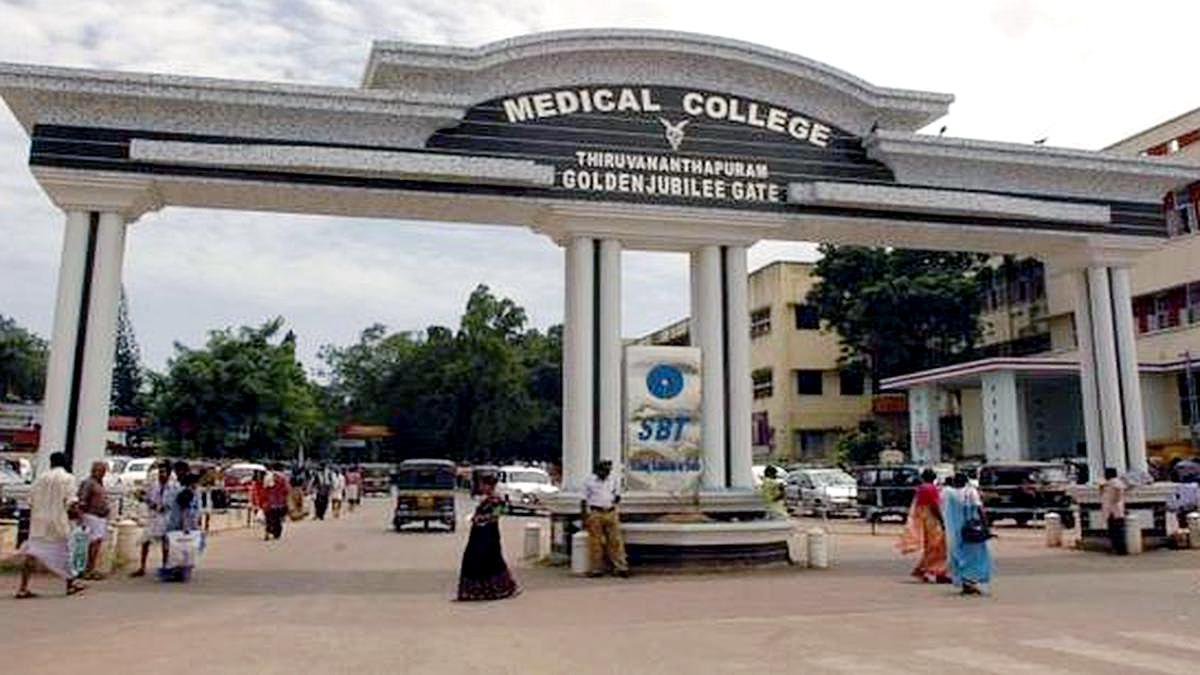
Haris Chirakkal, Head of Urology department at Government Medical College Hospital, Thiruvananthapuram, had hit the headlines after flagging shortages of essential surgical equipment and delays in surgeries during the previous LDF government’s tenure
Addressing Systemic Failures in Public Healthcare: The Case of Kerala's Medical Infrastructure
The recent public endorsement by Dr. Haris Chirakkal, Head of the Urology department at the Government Medical College Hospital in Thiruvananthapuram, marks a significant turning point in the discourse surrounding public health infrastructure in Kerala. After previously serving as a vocal critic of the state's healthcare deficiencies—specifically regarding the scarcity of essential surgical equipment and the resulting delays in critical procedures—Dr. Chirakkal's shift toward praising the government's latest initiatives suggests a tangible improvement in administrative responsiveness. The move to end 'floor treatment,' where patients are forced to receive care on the floor due to a lack of available beds or proper facilities, represents a critical step toward restoring patient dignity and clinical efficiency.
The Crisis of Equipment Shortages and Surgical Delays
Historically, government-run medical colleges in India, including those in Kerala, have often struggled with the gap between patient volume and available resources. Dr. Chirakkal's earlier warnings regarding equipment shortages highlighted a systemic failure in procurement and maintenance. When essential surgical tools are unavailable, the ripple effect is devastating: elective surgeries are postponed, emergency cases are diverted, and patient morbidity rates can increase. This specific crisis in the Urology department underscored the fragility of the state's healthcare delivery system, where high clinical expertise is often hampered by antiquated or missing hardware, forcing surgeons to operate under suboptimal conditions.
The Human Cost of 'Floor Treatment'
Beyond the lack of machinery, the phenomenon of 'floor treatment' is perhaps the most visible indicator of healthcare collapse. In a state like Kerala, which prides itself on some of the highest health indices in India, the sight of patients being treated on the floor of a government hospital is a stark contradiction. Floor treatment is not merely a logistical failure; it is a violation of basic patient rights and a significant risk factor for hospital-acquired infections (nosocomial infections). By explicitly targeting the end of this practice, the Kerala government is acknowledging that quantity of care (number of patients seen) cannot come at the cost of the quality and dignity of that care.
The Role of Professional Advocacy in Policy Change
Dr. Chirakkal's trajectory from a whistleblower to a supporter of the current government measures illustrates the vital role that medical professionals play in policy reform. When senior clinicians flag shortages, it provides the administration with an empirical basis for budget reallocation. The transition from the previous LDF government's tenure—during which these shortages were most acute—to the current corrective phase suggests that administrative pressure, fueled by internal medical audits and public flagging, can lead to concrete infrastructural upgrades. This dynamic highlights the necessity of a transparent feedback loop between the frontline medical staff and the health ministry.
Broader Implications for Public Health Governance
This event carries broader implications for how public health is managed across the state. The resolution of these issues at a premier institution like the Government Medical College Hospital in Thiruvananthapuram may serve as a blueprint for other district hospitals. If the government can successfully eliminate floor treatment and streamline the procurement of surgical equipment, it signals a shift toward a more proactive, rather than reactive, healthcare management style. This could lead to a reduction in the burden on private healthcare providers, as the public sector becomes more reliable and equipped to handle complex surgical interventions.
Future Trends: Toward a Sustainable Medical Infrastructure
Looking forward, the success of these measures will depend on the implementation of sustainable procurement systems. To prevent a relapse into equipment shortages, the government must move toward digitized inventory management and scheduled maintenance contracts. We can expect a trend toward 'smart hospitals' where resource allocation is based on real-time patient data rather than static annual budgets. Furthermore, the eradication of floor treatment will likely prompt a wider review of bed-to-patient ratios across all government facilities in Kerala, potentially leading to the construction of new wards or the optimization of existing spaces.
Conclusion
The transition from critical shortages to administrative resolution, as lauded by Dr. Haris Chirakkal, is a positive indicator for Kerala's public health sector. By addressing the visceral issue of floor treatment and the technical issue of equipment scarcity, the government is moving toward a more humane and efficient healthcare model. While the challenges of managing a high-volume public hospital remain, the current trajectory suggests a renewed commitment to ensuring that medical expertise is matched by adequate infrastructural support.
Verification Required?