Activists seek early decision on better access to life-saving breast cancer medicine
Source Entity
India Latest News: Top National Headlines Today & Breaking News | The Hindu
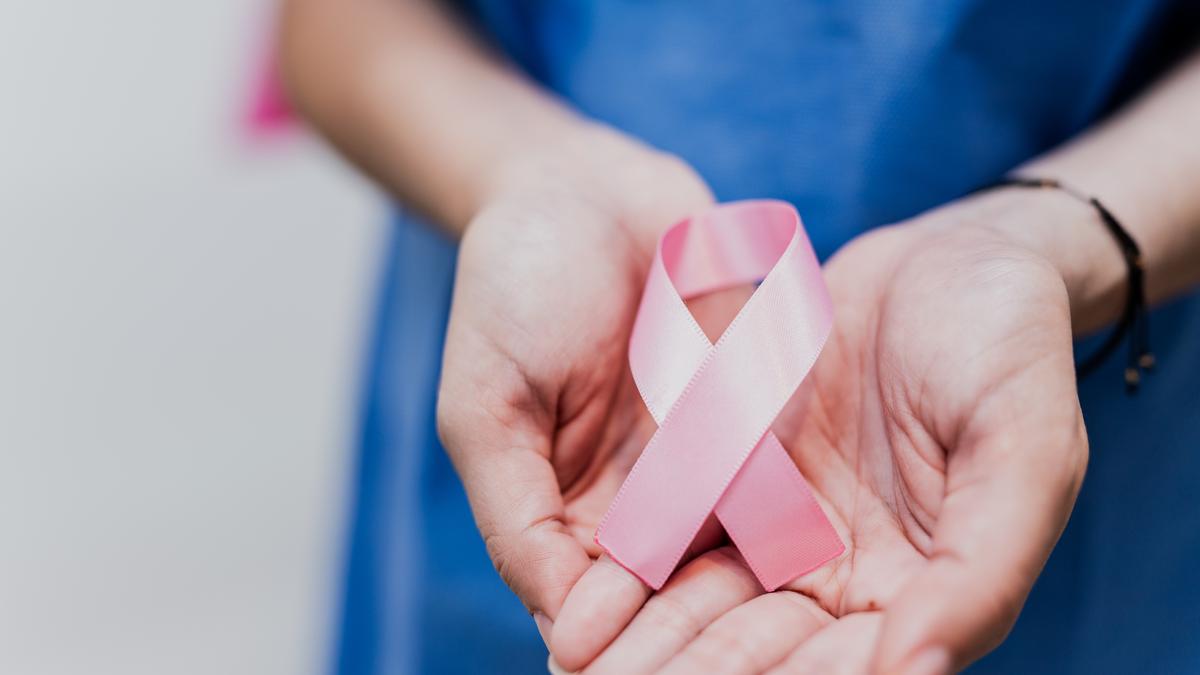
The case has been pending before the Kerala High Court since June 2022; the writ petition has been listed 57 times for final hearing without the case being heard since January 21, 2023, the Working Group on Access to Medicines and Treatment says in its letter
Judicial Delay and the Crisis of Medical Access
The recent plea by the Working Group on Access to Medicines and Treatment highlights a critical intersection between judicial efficiency and the fundamental right to health. The core of the issue lies in a writ petition filed before the Kerala High Court in June 2022, which seeks to improve access to life-saving medicines for breast cancer patients. The fact that this case has been listed 57 times for a final hearing without actually being heard since January 21, 2023, underscores a systemic failure in the prioritization of urgent health-related litigation.
The Human Cost of Legal Inertia
In the context of oncology, particularly breast cancer, timing is everything. The window for effective intervention is often narrow, and delays in accessing advanced therapeutics can lead to disease progression, decreased survival rates, and unnecessary patient suffering. When a legal battle over the availability or affordability of these drugs drags on for years, the "delay" is not merely a procedural inconvenience—it is a potential death sentence for patients who cannot afford private alternatives or who are waiting for government-mandated access. The persistent listing of the case without a hearing suggests a bureaucratic loop that ignores the biological urgency of the patients involved.
Systemic Bottlenecks in the Indian Judiciary
This case is symptomatic of a broader challenge within the Indian judicial system: the staggering backlog of cases. While the Kerala High Court, like many others, struggles with a high volume of litigation, the failure to prioritize a case involving "life-saving" medication raises questions about the application of the "Right to Life" under Article 21 of the Indian Constitution. Traditionally, writ petitions concerning health and survival are expected to be fast-tracked. The discrepancy between the number of times the case was listed (57) and the lack of actual progress indicates a failure in case management that warrants deeper scrutiny.
The Role of Medicine Advocacy Groups
The Working Group on Access to Medicines and Treatment represents a crucial layer of civil society that bridges the gap between medical necessity and legal rights. Their intervention is not just about a single drug, but about the precedent for how life-saving medications are procured and distributed in the public health sector. By bringing this to light, the group is challenging the status quo where patent laws or procurement hurdles often outweigh patient needs. Their persistence reflects a global movement toward "health equity," ensuring that medical breakthroughs are not reserved only for the wealthy.
Broader Implications and Future Trends
If the Kerala High Court eventually rules in favor of the activists, it could set a significant legal precedent for the state and potentially the rest of India. A favorable decision would reinforce the mandate that the state must ensure the availability of essential medicines as part of its constitutional obligation. Furthermore, this case may prompt a review of how "urgent" health petitions are categorized and processed in high courts to prevent similar delays in the future. We are likely to see an increase in strategic litigation aimed at forcing government transparency regarding drug procurement and pricing.
Conclusion
Ultimately, the struggle for access to breast cancer medicine in Kerala is a stark reminder that legal rights are only as effective as the speed at which they are enforced. The gap between the filing of the petition in June 2022 and the current state of limbo is an unacceptable timeframe for medical emergencies. The resolution of this case will serve as a litmus test for the judiciary's commitment to protecting the most vulnerable citizens against the combined pressures of medical scarcity and legal bureaucracy.
Verification Required?