Mercedes-Benz responds after YouTuber Sourav Joshi’s viral E20 mileage drop claim
Source Entity
The Indian Express
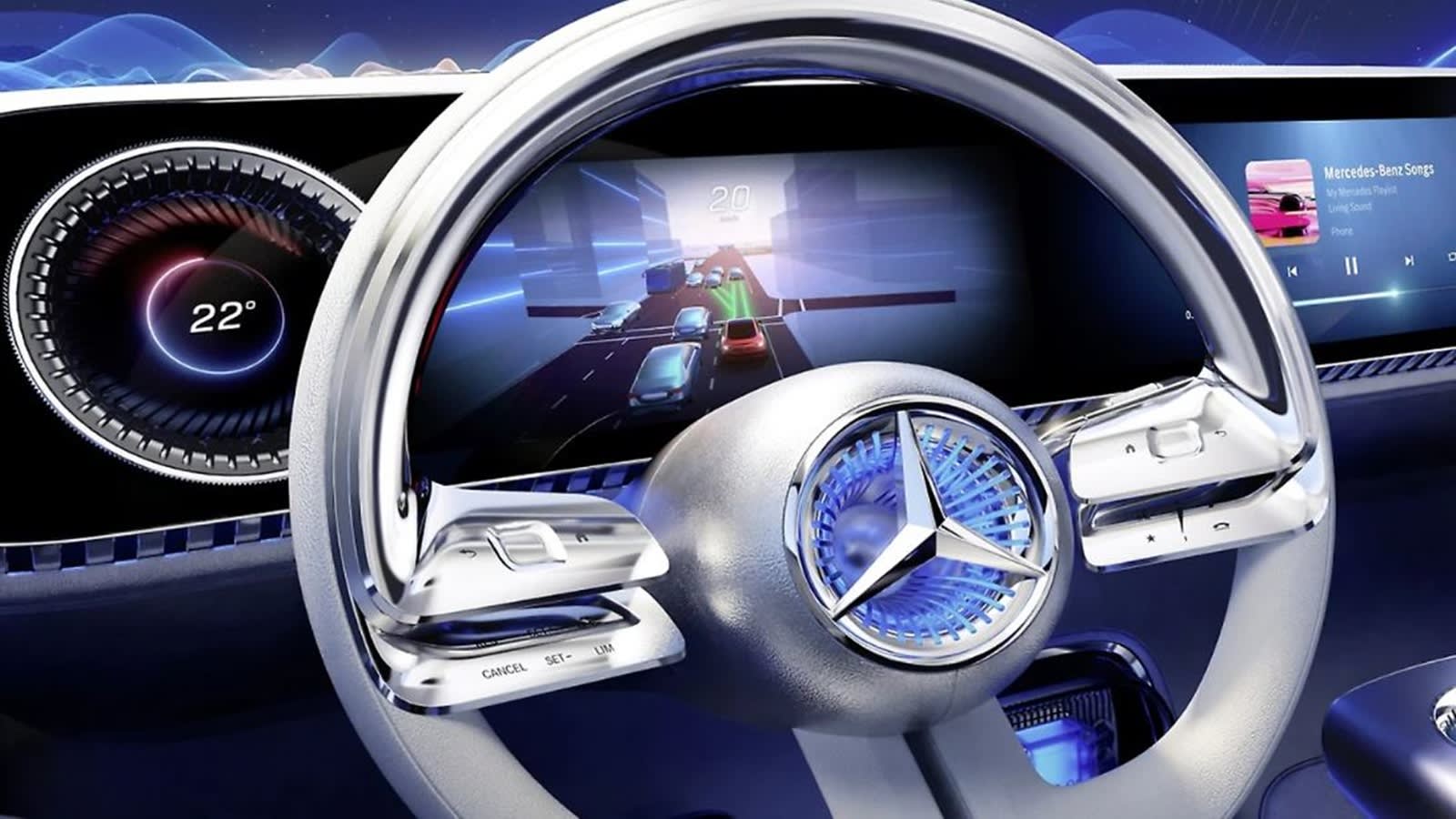
Mercedes-Benz India on July 12 released a clarification that all its BS VI petrol vehicles are fully compatible with E20 petrol. The clarification comes after popular YouTuber Sourav Joshi claimed tha...
The Intersection of Luxury Engineering and Social Media Influence
The recent public exchange between Mercedes-Benz India and popular YouTuber Sourav Joshi highlights a growing tension between technical corporate specifications and the perceived experiences of digital influencers. The controversy erupted when Joshi claimed that the use of E20 petrol led to a noticeable drop in his vehicle's mileage, a claim that quickly went viral across social media platforms. In an era where a single video can reach millions of potential consumers, Mercedes-Benz India was compelled to move swiftly, issuing a formal clarification on July 12 to protect its brand reputation and reassure its customer base.
Technical Analysis: E20 Fuel and BS VI Compatibility
To analyze this event, it is essential to understand the technical context of E20 fuel. E20 is a blend of 20% ethanol and 80% gasoline, a strategic move by the Indian government to reduce dependence on expensive crude oil imports and support the domestic sugarcane industry. However, ethanol has a lower energy density compared to pure gasoline, which can theoretically result in a slight decrease in fuel efficiency (mileage).
Mercedes-Benz India's response focused on the BS VI (Bharat Stage VI) compliance of their vehicles. BS VI standards involve rigorous engineering requirements to ensure that engine components—such as fuel lines, seals, and gaskets—are resistant to the corrosive nature of ethanol. By stating that their vehicles are "fully compatible," Mercedes-Benz is asserting that the engine's longevity and operational integrity are not at risk, regardless of the perceived change in mileage reported by the user.
The Power of the Influencer Narrative
This incident underscores the shifting dynamics of consumer trust. Traditionally, luxury automotive brands relied on official brochures and dealership expertise to communicate technical capabilities. Today, the "user experience" shared by influencers like Sourav Joshi often carries more weight with the general public than official corporate statements. When a high-profile user reports a performance dip, it can create a narrative of product deficiency. Mercedes-Benz's prompt response was not merely a technical correction but a strategic move in reputation management to prevent a localized complaint from evolving into a widespread perception of poor vehicle performance.
Broader Implications for the Indian Auto Market
As India aggressively pushes toward higher ethanol blending targets, this clash serves as a precursor to future conflicts between manufacturers and consumers. Most modern vehicles are being tuned for E20, but the inherent trade-off—lower energy density leading to slightly lower mileage—is a physical reality of ethanol fuel. This event suggests that manufacturers cannot rely solely on "compatibility" certifications; they must also engage in proactive consumer education to manage expectations regarding fuel economy transitions.
Future Trends and Predictions
Looking ahead, we can expect more automotive brands to issue similar clarifications as E20 becomes the standard at fuel stations across India. We will likely see a trend where luxury brands integrate more detailed "fuel guidance" into their digital owner's manuals or apps to preemptively address mileage concerns. Furthermore, as the government may eventually push for E85 or other higher blends, the engineering requirements will become even more stringent, making the distinction between "compatible" and "optimized" fuel usage a central point of marketing and technical debate.
Conclusion
In summary, while Mercedes-Benz India has successfully clarified the technical compatibility of its BS VI fleet with E20 petrol, the event reveals a gap between engineering standards and user perception. The incident serves as a reminder that in the age of viral content, technical correctness must be paired with effective communication to maintain consumer confidence in the face of evolving fuel standards.