From Ladakh to Tibet: 7 monasteries perched among the peaks
Source Entity
The Indian Express
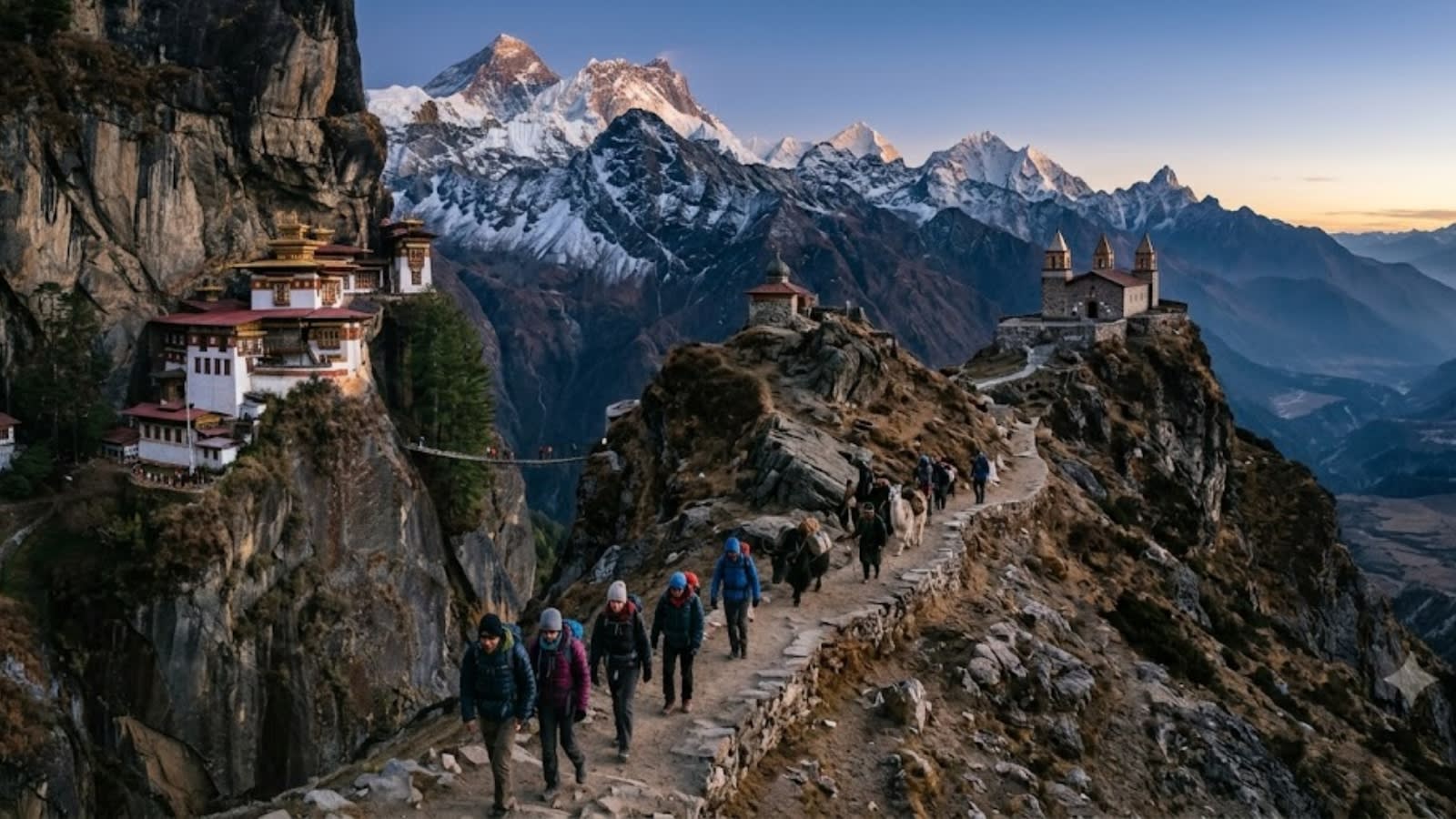
For centuries, monasteries have been built in remote mountains. Many of these sacred sites sit thousands of metres above sea level, rewarding visitors with panoramic views and a glimpse into centuries...
The Spiritual Heights: Analyzing the Sacred Monasteries of Ladakh and Tibet
The architectural and spiritual landscape of the Himalayas is perhaps best exemplified by the monasteries perched precariously upon the peaks of Ladakh and Tibet. These structures are not merely religious centers but are profound symbols of human endurance and the pursuit of transcendence. By situating these sacred sites thousands of meters above sea level, the builders sought a physical manifestation of the ascent toward enlightenment, distancing the monastic community from the distractions of worldly existence while remaining integrated into the rugged geography of the region.
Architectural Ingenuity in Extreme Environments
The construction of these monasteries represents a masterclass in ancient engineering. Building on steep cliffs and remote peaks required an intimate understanding of geology and materials. Using locally sourced stone, mud-brick, and timber, these structures were designed to withstand extreme temperature fluctuations and high wind speeds. The "perched" nature of these sites served a dual purpose: providing a natural defense against invaders and creating a serene environment conducive to deep meditation. The panoramic views mentioned in the reports are not just aesthetic rewards for visitors but were historically essential for monitoring the surrounding valleys and trade routes.
The Philosophy of Isolation and Ascent
From a theological perspective, the location of these monasteries is deeply rooted in Vajrayana Buddhism. The act of climbing to these heights mirrors the spiritual journey of the practitioner—a difficult, often grueling ascent that leads to a higher state of consciousness. The remoteness of the Ladakh and Tibet peaks ensures that the silence of the mountains complements the silence of the mind. This environmental synergy allows monks to engage in rigorous study and meditation, far removed from the urban sprawl, thereby preserving the purity of their spiritual practices over several centuries.
Ladakh and Tibet: A Shared Cultural Continuum
While separated by modern political borders, the monasteries of Ladakh and Tibet share a profound cultural and architectural lineage. The influence of Tibetan Buddhism is evident in the layout of these monasteries, characterized by central assembly halls, monk residences, and intricate murals. This shared heritage highlights the historical fluidity of the region, where ideas, art, and faith flowed across the high plateaus. The presence of these seven specific sites serves as a living museum, documenting the evolution of Buddhist art and the persistence of faith in one of the most inhospitable climates on Earth.
Modern Implications: Tourism and Preservation
In the contemporary era, these remote sites face a complex duality: the need for preservation versus the influx of global tourism. As these monasteries become "must-visit" destinations for those seeking panoramic views and spiritual insight, the physical infrastructure is under increasing pressure. The challenge for local authorities in both Ladakh and Tibet is to manage the environmental footprint of tourism without compromising the sanctity and silence that these sites were originally built to protect. Sustainable tourism models are now critical to ensure that these centuries-old structures do not succumb to the wear and tear of modern foot traffic.
Conclusion: The Enduring Legacy of the Peaks
Ultimately, the monasteries of Ladakh and Tibet stand as enduring monuments to the intersection of faith and nature. They remind us that the pursuit of knowledge and peace often requires venturing into the unknown and overcoming significant physical obstacles. As these sites continue to attract visitors from around the world, they serve as a bridge between the ancient world and the modern one, offering a timeless perspective on the human condition and our relationship with the natural world. The preservation of these seven peaks is not just a matter of maintaining old buildings, but of safeguarding a unique spiritual legacy.