Morbi fire destroys Rs 42 crore groundnuts: Why Gujarat’s peanut warehouses are prone to fires
Source Entity
Brendan Dabhi
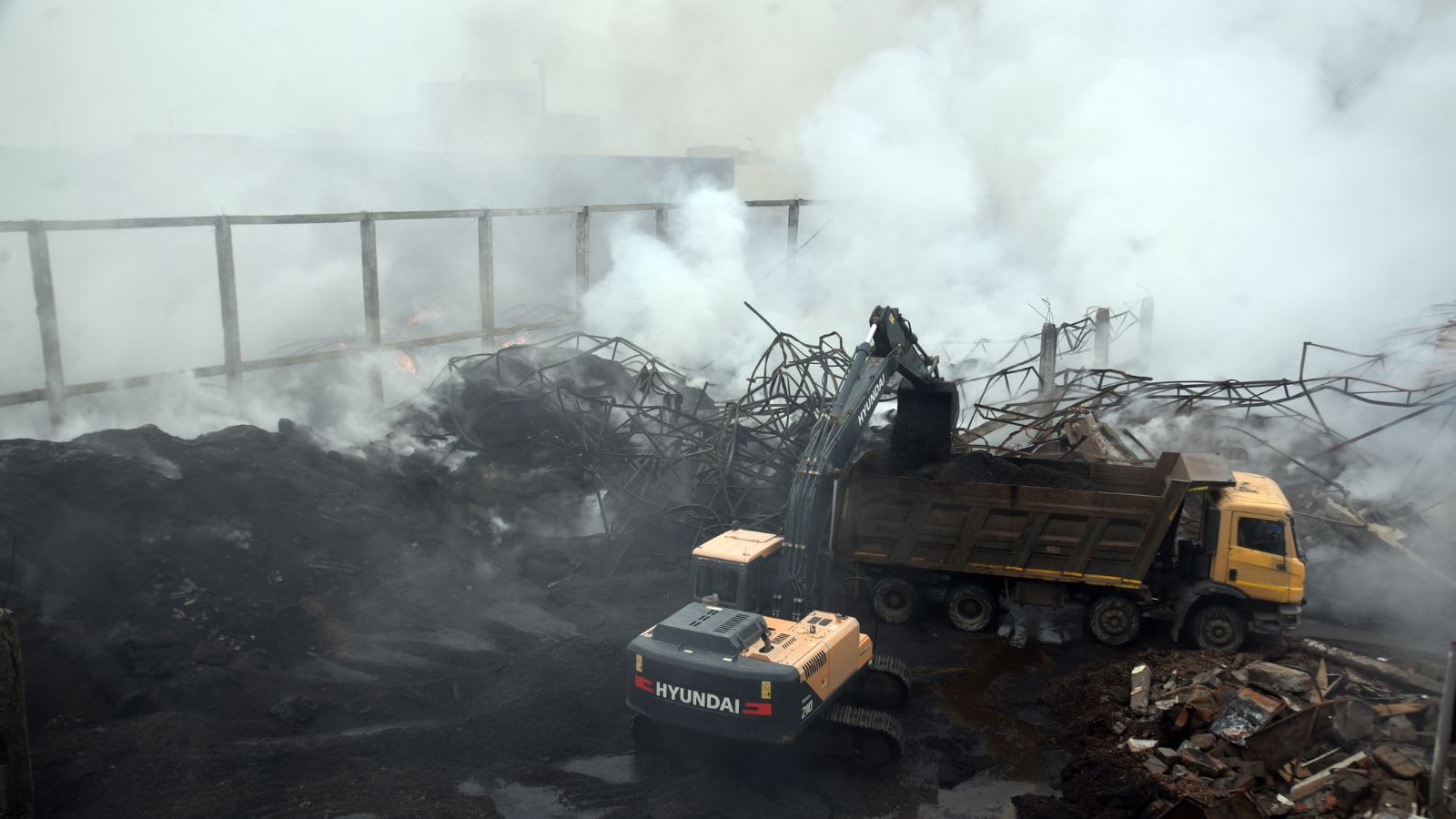
On Thursday (July 9) evening, more than five days after a mysterious fire began at a warehouse outside Morbi gutting more than 5,500 tonnes of groundnuts stored on the premises, wisps of white smoke c...
The Morbi Warehouse Catastrophe: Analyzing the Rs 42 Crore Agricultural Loss
On Thursday, July 9, a devastating fire struck a warehouse on the outskirts of Morbi, Gujarat, leading to the loss of more than 5,500 tonnes of groundnuts. The financial impact is estimated at a staggering Rs 42 crore, marking one of the more significant commodity losses in the region's recent history. The fact that wisps of smoke continued to emanate from the site more than five days after the initial blaze underscores the intensity of the fire and the difficulty emergency services faced in fully extinguishing the smoldering organic mass.
The Economics of Commodity Loss
The loss of 5,500 tonnes of groundnuts is not merely a balance-sheet deficit for a single warehouse owner but a disruption to the local agricultural supply chain. Groundnuts are a primary cash crop in Gujarat, and such a large-scale loss of stored inventory can lead to localized price volatility. When a significant volume of a commodity is wiped out unexpectedly, it creates a supply gap that can drive up costs for processors and consumers alike, while leaving the farmers or traders who stored the goods facing severe liquidity crises if the inventory was not adequately insured.
Why Peanut Warehouses are Fire Prone
To understand why Gujarat's peanut warehouses are particularly susceptible to such disasters, one must look at the biological and chemical nature of the crop. Groundnuts have a high oil content, and when stored in massive quantities without proper ventilation or temperature control, they are subject to "spontaneous combustion." This occurs when moisture trapped within the piles promotes microbial growth, which generates heat. In an oxygen-rich environment, this internal heating can reach a flashpoint, igniting the oils within the nuts. The "mysterious" start of the Morbi fire is consistent with these types of internal chemical reactions, which can smolder undetected for hours before erupting into a full-scale blaze.
Infrastructure and Safety Deficiencies
The duration of the fire—lasting over five days—points to critical failures in warehouse infrastructure and emergency preparedness. Many traditional warehouses in agricultural hubs like Morbi are designed for maximum storage capacity rather than safety. The lack of automated sprinkler systems, adequate firebreaks between storage sections, and accessible entry points for firefighting equipment often turns a small internal fire into an uncontrollable inferno. This event highlights a systemic gap in the regulatory oversight of agricultural storage, where safety audits may be neglected in favor of rapid scaling.
Regional Implications for Gujarat's Agri-Business
Gujarat serves as a central hub for the production and export of groundnuts and peanut oil. A recurring pattern of warehouse fires in this sector threatens the reputation of the region's logistics capabilities. For international buyers and large-scale domestic processors, the risk of "inventory shrinkage" due to fire is a significant liability. This event will likely prompt a push toward modernized storage solutions, such as temperature-controlled silos and moisture-monitoring sensors, moving away from the traditional bulk-pile warehousing that proved so fatal in the Morbi incident.
Conclusion and Future Outlook
The Morbi warehouse fire is a wake-up call for the agricultural sector in Gujarat. While the immediate loss is quantified at Rs 42 crore, the long-term cost is the realization that current storage methods are inadequate for the volume of produce being handled. To prevent future catastrophes, there must be a transition toward science-based storage management and stricter enforcement of fire safety codes. Without these changes, the region remains vulnerable to the volatile nature of high-oil commodity storage, risking both economic stability and the livelihoods of those dependent on the peanut trade.